How to Make the Perfect PCOS-Friendly Low-Glycemic Berry Smoothie Bowl
American · Easy · 10 min · 1 servings
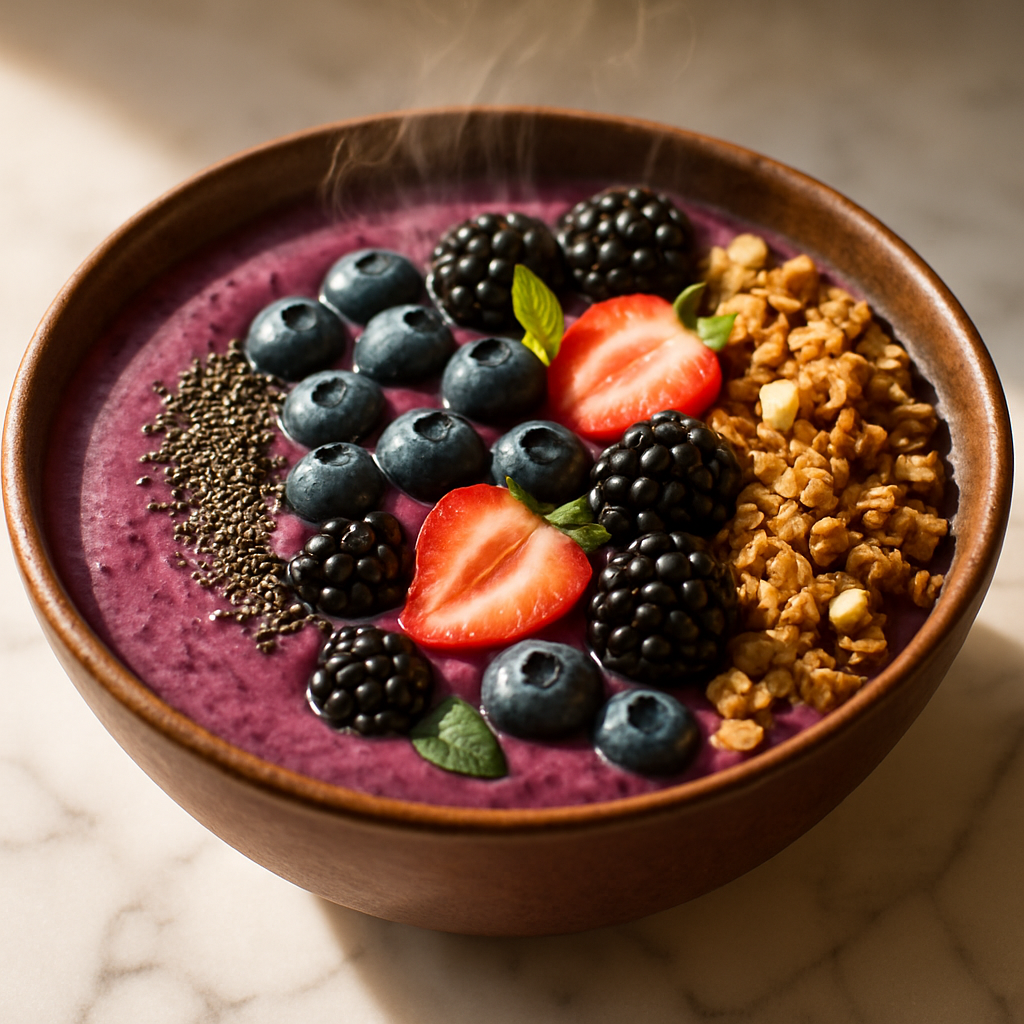
A vibrant, hormone-balancing smoothie bowl bursting with antioxidant-rich mixed berries, creamy avocado, and blood-sugar-stabilizing ingredients carefully chosen to support PCOS management. This nourishing bowl combines the power of low-glycemic fruits with healthy fats and plant-based protein to help regulate insulin levels and reduce inflammation — two critical factors for women managing polycystic ovary syndrome. Every spoonful delivers a gorgeous medley of flavors while keeping your hormones happy and your energy steady throughout the morning.
Why this recipe works
This PCOS-Friendly Low-Glycemic Berry Smoothie Bowl recipe has been crafted to deliver restaurant-quality results in your home kitchen. At just 10 minutes from start to finish, it fits perfectly into a busy schedule without sacrificing flavor. Each serving comes in at 380 calories with 18g of protein, making it a balanced choice for any meal.
What you will need
This recipe uses 16 simple ingredients that you can find at any grocery store:
- 1 cup frozen mixed berries (blueberries, raspberries, blackberries)
- 0.5 medium ripe avocado, frozen
- 0.5 cup frozen cauliflower florets
- 1 scoop unflavored or vanilla pea protein powder (about 25g)
- 0.5 cup unsweetened almond milk
- 1 tablespoon ground flaxseed
- 1 teaspoon Ceylon cinnamon
- 0.5 teaspoon pure vanilla extract
- 0.25 cup fresh blueberries
- 0.25 cup fresh raspberries
- 2 tablespoons hemp seeds
- 1 tablespoon raw pumpkin seeds (pepitas)
- 1 tablespoon unsweetened coconut flakes
- 1 teaspoon raw cacao nibs
- 0.5 teaspoon bee pollen (optional)
- 1 drizzle tahini (about 1 teaspoon)
Step by step instructions
Step 1: Prep Your Frozen Ingredients
Make sure your avocado and cauliflower are frozen solid — this is the secret to achieving that thick, spoonable smoothie bowl consistency without adding ice, which dilutes flavor. If your avocado is fresh, cube it and freeze for at least 2 beforehand. The cauliflower adds creaminess and volume with virtually no impact on blood sugar.
Step 2: Add Ingredients to Blender
Place the frozen mixed berries, frozen avocado, frozen cauliflower, pea protein powder, ground flaxseed, Ceylon cinnamon, and vanilla extract into a high-powered blender. Pour the unsweetened almond milk in last. Use the minimum liquid needed — you want a very thick consistency that holds your toppings proudly. Add liquid one tablespoon at a time if the blender struggles.
Step 3: Blend Until Smooth
Blend on high speed, using the tamper tool if your blender has one to push ingredients toward the blade. Blend for 30 to 45 seconds until completely smooth with no chunks remaining. Stop and scrape down the sides as needed. The mixture should be extremely thick — almost like soft-serve ice cream. If it seems too thin, add a tablespoon more frozen berries and blend briefly.
Step 4: Pour Into a Chilled Bowl
Pour or scoop the thick smoothie into a wide, chilled bowl. Use a spoon to smooth the surface and create an even canvas for your toppings. Working quickly keeps the smoothie cold and prevents it from melting before you add toppings.
Step 5: Arrange Toppings Beautifully
Working from one side to the other, arrange your toppings in sections or rows for a stunning presentation. Place the fresh blueberries and raspberries first, then sprinkle hemp seeds and pumpkin seeds for a protein and omega-3 boost. Add the coconut flakes and cacao nibs for crunch and antioxidants. Drizzle tahini lightly over the entire bowl for healthy fats that slow sugar absorption. Finish with bee pollen if using.
Step 6: Serve Immediately
Enjoy your smoothie bowl immediately while it is cold and thick. Eat it with intention — sitting down, without distractions — as mindful eating also supports hormonal health and digestion. Stir gently as you eat to incorporate the toppings into each spoonful.
Easy substitutions
Missing an ingredient? Here are some swaps that work perfectly:
- pea protein powder → unflavored collagen peptides or plain Greek yogurt (if not dairy-free) for equal protein content
- frozen cauliflower → frozen zucchini chunks — equally neutral in flavor and low in carbohydrates
- unsweetened almond milk → unsweetened coconut milk or oat milk (note: oat milk is slightly higher glycemic)
- frozen avocado → 2 tablespoons full-fat coconut cream for similar creaminess and healthy fat content
- hemp seeds → chia seeds — equally rich in omega-3 fatty acids and fiber
- tahini drizzle → natural almond butter or sunflower seed butter for a different nutty flavor
- Ceylon cinnamon → half the amount of cassia cinnamon — it is stronger in flavor but use Ceylon when possible for PCOS as it has better blood sugar benefits
Common mistakes to avoid
Watch out for these pitfalls that can affect your results:
- Adding too much liquid, which results in a runny smoothie you cannot eat with a spoon — always start with less liquid than you think you need
- Using fresh instead of frozen avocado and cauliflower, which prevents the thick, creamy texture essential for a bowl-style smoothie
- Sweetening with honey, agave, or dates thinking they are healthier — these still spike blood sugar and undermine the PCOS-friendly goal of this recipe
- Skipping the protein powder or another protein source, which leads to faster blood sugar spikes from the fruit carbohydrates
- Using flavored protein powders with artificial sweeteners or added sugars that can disrupt gut health and hormone balance
- Blending for too long, which warms the ingredients from friction and creates a melted, soupy consistency
- Forgetting to chill the bowl beforehand — a room-temperature bowl melts the smoothie quickly and ruins the eating experience
- Skipping the healthy fat component like avocado or tahini — fat is essential for slowing glucose absorption and supporting hormone production
Nutrition facts
Per serving: 380 calories, 18g protein, 38g carbs, 18g fat, 12g fiber.
Ready to cook?
Get the interactive recipe with adjustable servings, built-in timers, and ingredient checklist.
View full recipe →