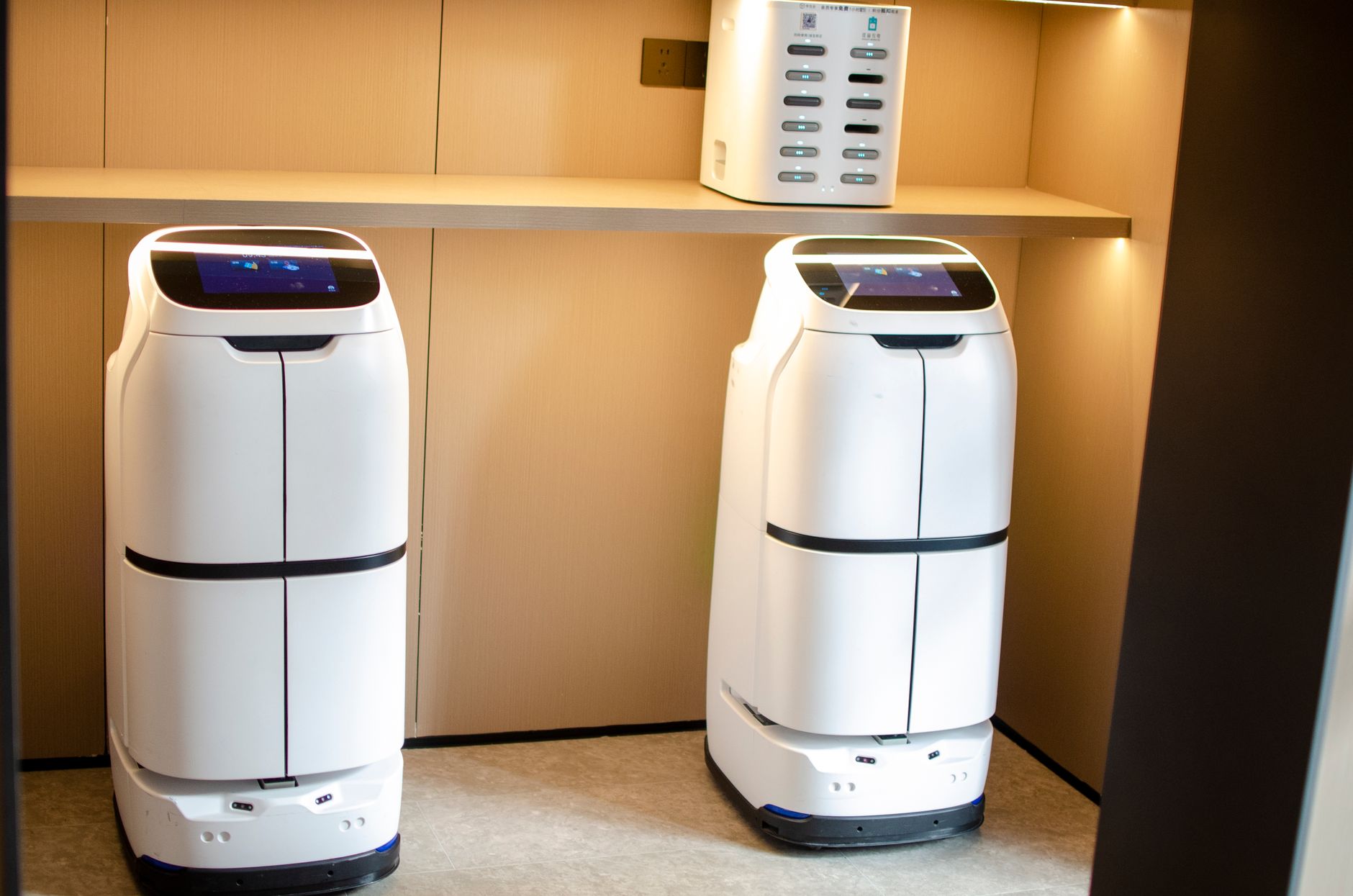
As the dining industry continues to evolve, July 2026 has marked a significant turning point with the widespread adoption of AI automation. This technology is reshaping everything from food preparation to customer service, leading to a more efficient and personalized dining experience.
According to a recent report by the National Restaurant Association, 62% of restaurants have integrated some form of AI technology within their operations. This represents a 30% increase from just two years ago, demonstrating a clear shift toward embracing automation in the culinary world.
One of the most notable advancements is the use of AI-powered chatbots and virtual assistants for taking orders. These systems not only reduce wait times but also enhance order accuracy. A study by FoodTech Insights revealed that restaurants utilizing AI order-taking saw a 20% decrease in order errors, leading to higher customer satisfaction rates.
“The integration of AI into our daily operations has been a game changer,” said Maria Torres, owner of the award-winning Bistro 360 in San Francisco. “Our customers appreciate the speed and efficiency, and we’ve seen a noticeable uptick in repeat business since implementing these technologies.”
Moreover, AI-driven analytics are helping restaurants better understand customer preferences. By analyzing data from past orders and customer feedback, establishments can create personalized menus and promotional offers that resonate with their clientele. This level of customization has proven to increase sales by an average of 15%, according to a report from Culinary Analytics Group.
Additionally, robotics are making their way into kitchens, with automated systems now capable of preparing everything from pizzas to gourmet meals. Companies like RoboChef have reported that their robotic kitchen assistants can reduce food preparation time by up to 50%, allowing chefs to focus on creativity and presentation.
Despite the advantages, the rise of AI in dining has not been without controversy. Critics argue that the increasing reliance on automation could lead to job losses in the industry. A recent survey by Restaurant Workers United found that 43% of service industry workers express concern over job security as AI technology becomes more prevalent.
“While we recognize the benefits of AI, we must also prioritize the human element in our industry,” stated James Patel, president of the Service Workers Coalition. “It’s critical to find a balance that leverages technology without sacrificing the jobs that make our industry thrive.”
As the technology continues to advance, the future of dining appears to be a blend of AI efficiency and human touch. With consumer preferences evolving, restaurants are challenged to adapt and innovate, ensuring that they remain relevant in a fast-changing landscape.