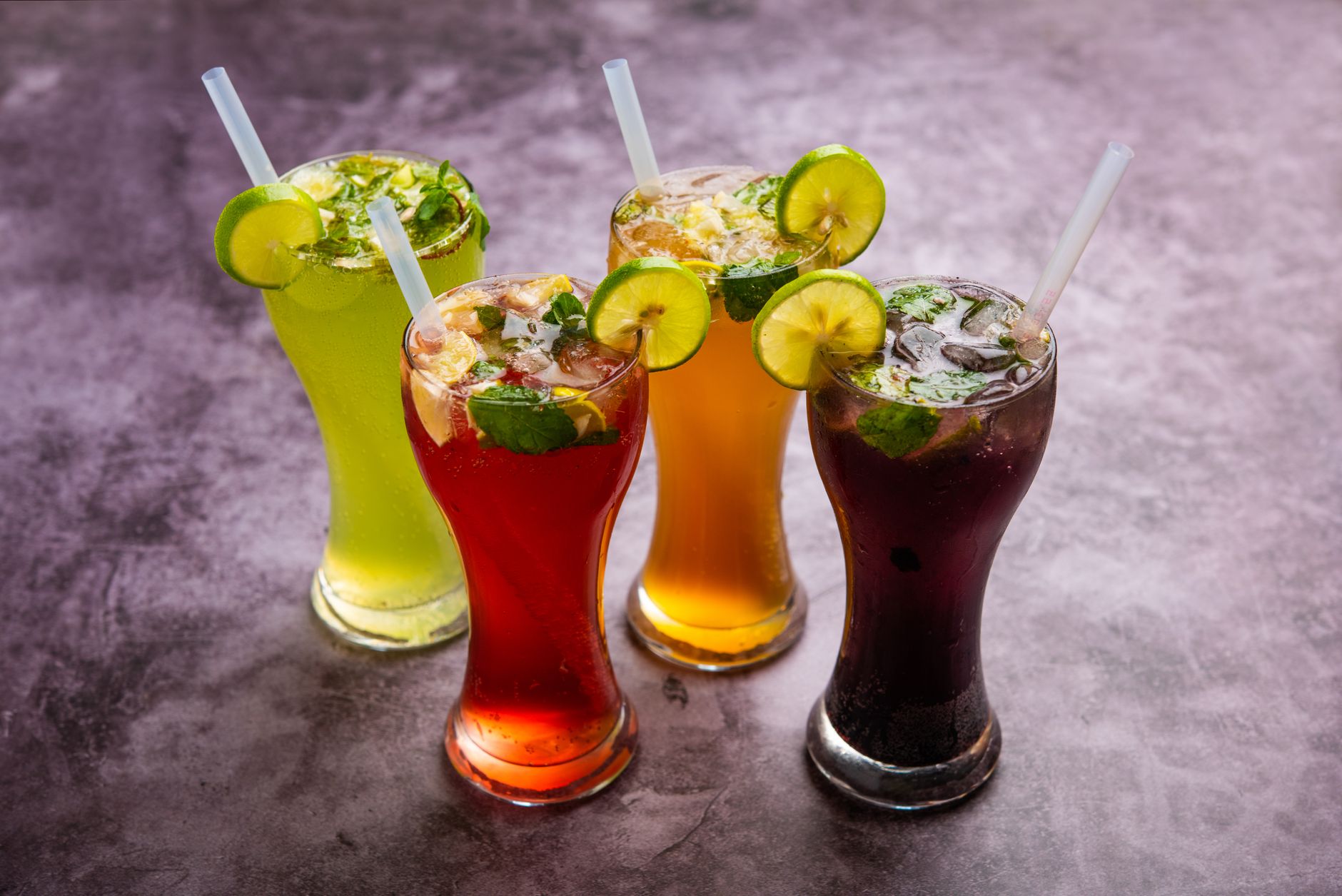
As the global beverage landscape evolves, the trend of alcohol-free beverages, particularly mocktails, is gaining remarkable traction. By July 2026, mocktails are projected to represent 20% of all beverage sales, a significant jump from just 10% in 2021, according to industry research by Beverage Marketing Corporation.
Health Consciousness Drives Demand
One of the primary drivers behind the rise of mocktails is the increasing focus on health and wellness among consumers. A survey conducted by Mintel found that 67% of respondents prefer to drink less alcohol, with 41% actively seeking non-alcoholic options. This shift is particularly prominent among millennials and Gen Z, who prioritize mindful consumption.
“The demand for low-alcohol and non-alcoholic alternatives is reshaping the way consumers engage with beverages,” said Maria Vasquez, a beverage analyst at Mintel. “Mocktails provide the social experience of drinking without the associated drawbacks of alcohol.”
Innovative Ingredients and Flavors
Mocktails are not just about substituting traditional spirits; they are increasingly crafted with innovative ingredients that enhance flavor and health benefits. Ingredients such as adaptogens, superfoods, and exotic fruits are becoming staples in mocktail recipes.
For example, bars and restaurants are incorporating ingredients like turmeric and activated charcoal into their drinks, creating vibrant, health-focused options that appeal to the aesthetic tastes of younger consumers. Tools like DishBloom's free calorie calculator (thedishbloom.com/calculator) make it easy for establishments to promote transparency by providing nutritional information for these beverages.
Mocktails in the Hospitality Sector
The hospitality industry is responding swiftly to the growing trend. According to a report by the National Restaurant Association, 58% of restaurant operators are now offering more non-alcoholic options to meet customer demand. The trend is not limited to casual dining; upscale establishments are also crafting exquisite mocktail menus that rival their alcoholic counterparts.
“Creating a sophisticated mocktail list is essential to cater to a wider audience,” said John Thompson, a mixologist at a renowned New York City restaurant. “It’s about providing an experience that everyone can enjoy, regardless of their alcohol preferences.”
Furthermore, consumers can compare foods side by side at thedishbloom.com/compare to make informed choices about their beverage selections, including mocktails.
The Future of Mocktails
As the mocktail movement continues to grow, brands are investing in research and development to create new, exciting products. The global market for non-alcoholic beverages is expected to reach $1.6 billion by 2028, driven by innovative brands and the increasing acceptance of alcohol-free options.
Industry leaders are also recognizing the importance of marketing these beverages effectively. Social media campaigns that highlight the creativity and health benefits of mocktails are becoming commonplace, further driving consumer interest.
In conclusion, the mocktail trend is reshaping the beverage industry, driven by health consciousness and innovative flavors. With an expected 20% market share by 2027, the future looks bright for alcohol-free beverages.