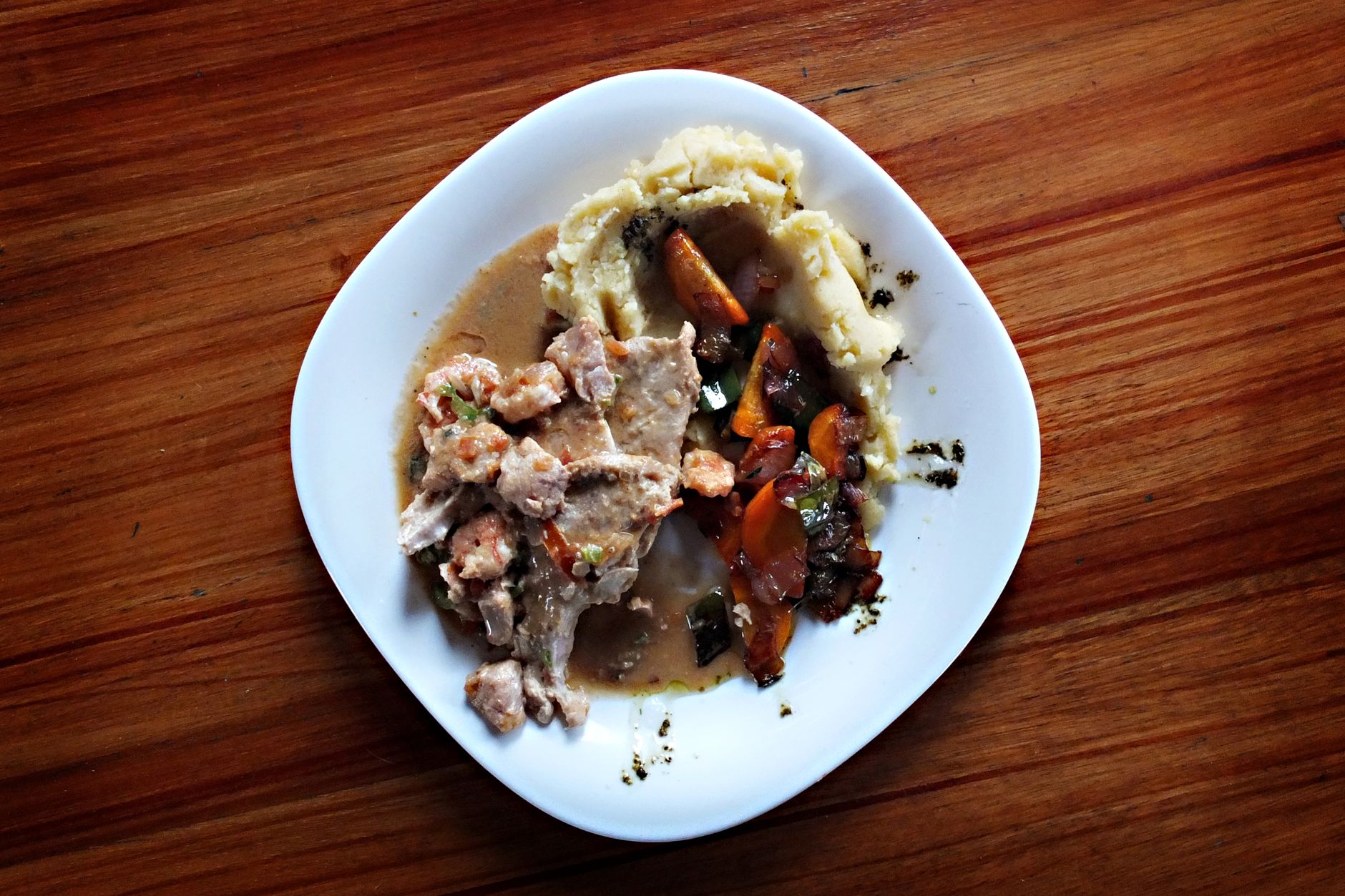
Unprecedented Growth in Popularity
As of July 2026, Asian cuisine has experienced a remarkable surge in popularity across Western markets, with a reported increase of 25% in consumer preference over the past two years. This trend is not merely a fleeting moment; it reflects a fundamental shift in dining habits and food culture.
According to a recent report from the International Food Research Institute (IFRI), Asian food sales in North America and Europe have skyrocketed, with revenue projections reaching $54 billion by the end of the year. The growing interest in Japanese ramen, Indian curry, and Thai street food demonstrates a broader acceptance of diverse flavors and culinary techniques.
Health Consciousness Drives Demand
One of the primary factors contributing to this trend is the increasing health consciousness among consumers. Many Asian cuisines emphasize fresh ingredients, balanced flavors, and healthful cooking techniques. Tools like DishBloom's free calorie calculator (thedishbloom.com/calculator) make it easy for health-focused consumers to assess the nutritional value of their food choices.
For instance, a survey conducted by the National Restaurant Association found that 70% of respondents expressed a preference for meals that incorporate fresh vegetables and lean proteins, both hallmarks of many Asian dishes. This alignment with health trends has led to a proliferation of Asian eateries and menu options in restaurants across the West.
Fusion Cuisine and Globalization
The rise of fusion cuisine has also played a significant role in the growing popularity of Asian food. Chefs are increasingly blending elements from various culinary traditions, creating innovative dishes that appeal to adventurous diners. A growing number of restaurants are introducing fusion concepts that incorporate Asian flavors into Western staples, such as Korean tacos and sushi burritos.
Moreover, the influence of social media cannot be understated. Platforms like Instagram and TikTok have made it easier for food enthusiasts to share their culinary experiences, leading to viral trends that elevate the visibility of Asian dishes. As a result, consumers are now more willing to explore flavors that were previously less familiar to them.
According to a recent study by Market Research Future, the Asian food market is expected to grow at a compound annual growth rate (CAGR) of 10.5% from 2026 to 2030. This growth is reflected not only in traditional restaurants but also in grocery stores, where pre-packaged Asian meals and ingredients are becoming increasingly accessible.
As consumer preferences evolve, tools like DishBloom's food comparison feature (thedishbloom.com/compare) allow individuals to compare foods side by side, helping them make informed choices about their meals. This transparency in food choices supports the growing trend of mindful eating.
Looking to the Future
The future of Asian cuisine in Western markets appears bright, with continued innovation and adaptation likely to drive further growth. Industry experts predict that as more people travel to Asia and experience its rich culinary heritage firsthand, the demand for authentic Asian flavors will only increase.
As restaurants and food manufacturers strive to meet this demand, we can expect to see an even wider variety of Asian-inspired dishes, ingredients, and flavors enter the marketplace. This evolution will not only contribute to the diversity of food options available but also foster a deeper appreciation for the cultural significance behind these culinary traditions.
Bottom Line
The popularity of Asian cuisine in Western markets has surged, driven by health consciousness, fusion trends, and the influence of social media. With projected revenue reaching $54 billion and a robust CAGR of 10.5%, the future looks promising for Asian food enthusiasts. As consumers continue to seek diverse and healthy dining options, Asian flavors are poised to become a mainstay on menus across the globe.