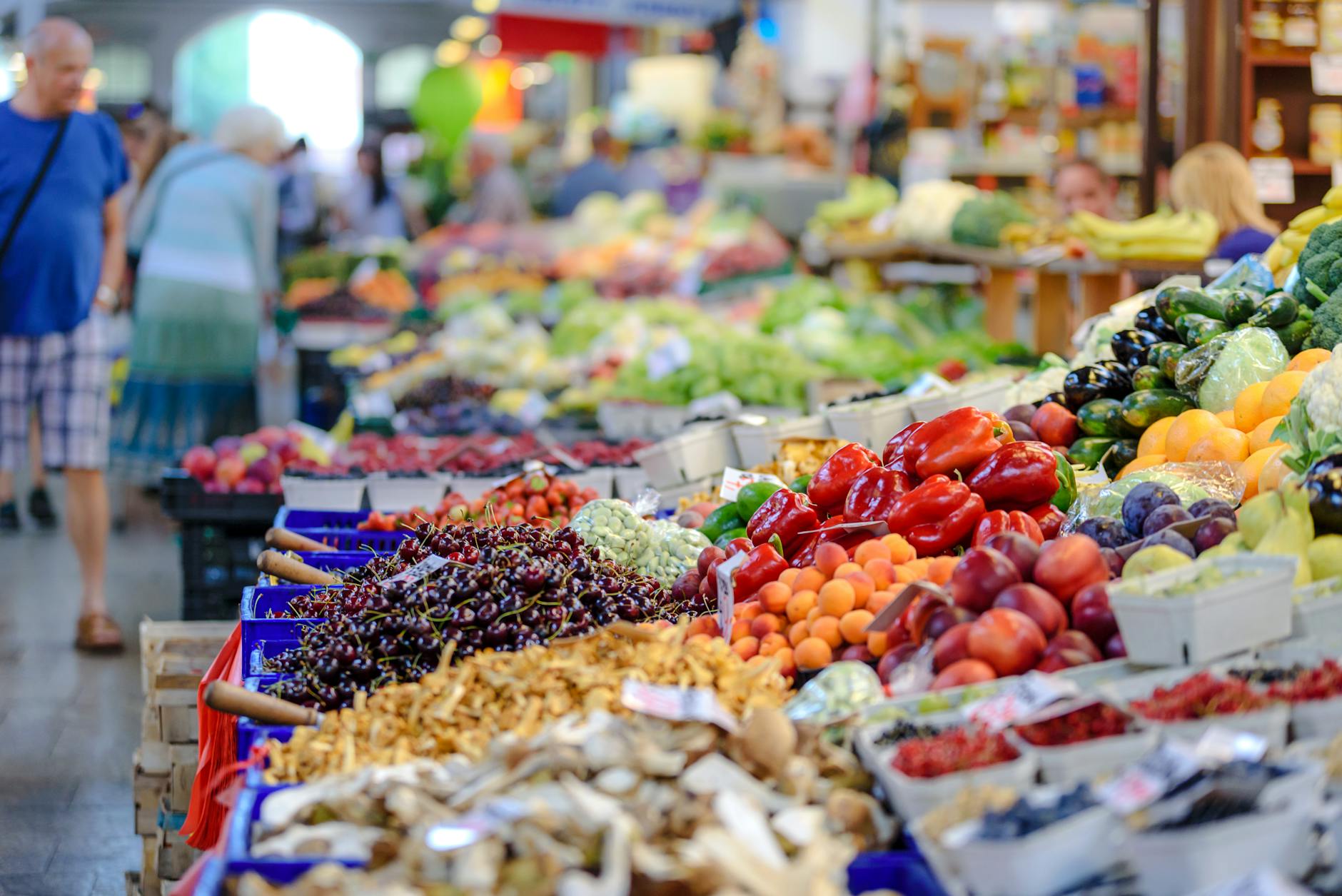
The local food movement is experiencing a remarkable resurgence in 2026, as farmers markets across the United States report record attendance and sales. According to the Farmers Market Coalition, the number of farmers markets has increased by 30% since 2020, with over 9,000 markets now operating nationwide.
This growth reflects a broader shift in consumer behavior, as more individuals prioritize sustainability and community engagement. A recent survey by the American Farm Bureau Federation found that 68% of consumers prefer to buy local food products, citing freshness and quality as their primary motivations.
Farmers markets have become vital community hubs, promoting not just local agriculture but also fostering social connections. In cities like Portland, Oregon, the weekly farmers market attracts upwards of 10,000 visitors, and local vendors report sales increases of 40% compared to previous years.
“People are becoming more aware of where their food comes from,” says Emily Carter, a farmer and market organizer in rural Indiana. “They want to support local farmers and know that their purchases are making a difference in their community.”
In addition to supporting local economies, the movement is also addressing food security issues. Many farmers markets have introduced programs like the Double Up Food Bucks, which allows low-income families to double their SNAP benefits when purchasing fresh produce. Since its implementation, participation in these programs has surged by 50% in some regions.
As the demand for local food continues to rise, market organizers are adapting to meet consumer needs. Many markets are now offering online ordering and home delivery services, a trend accelerated by the COVID-19 pandemic. A report from the National Farmers Market Directory showed that 25% of markets now provide these options, up from just 5% in 2019.
Local food advocates argue that farmers markets also play an essential role in educating consumers about sustainable practices and seasonal eating. Workshops on canning, composting, and cooking demonstrations have become commonplace, drawing in crowds eager to learn more about food production.
Despite this growth, challenges remain. Farmers markets must navigate increasing competition from big box stores and online grocery delivery services. However, many believe that the unique experience and community feel of farmers markets cannot be replicated.
“The farmers market is more than just a place to buy food; it’s an experience,” says Mark Thompson, a market manager in Chicago. “You can talk to the people who grow your food, and that connection is invaluable.”
As the local food movement continues to gain momentum, it is clear that farmers markets are not just surviving; they are thriving, playing a crucial role in shaping the future of food in America.