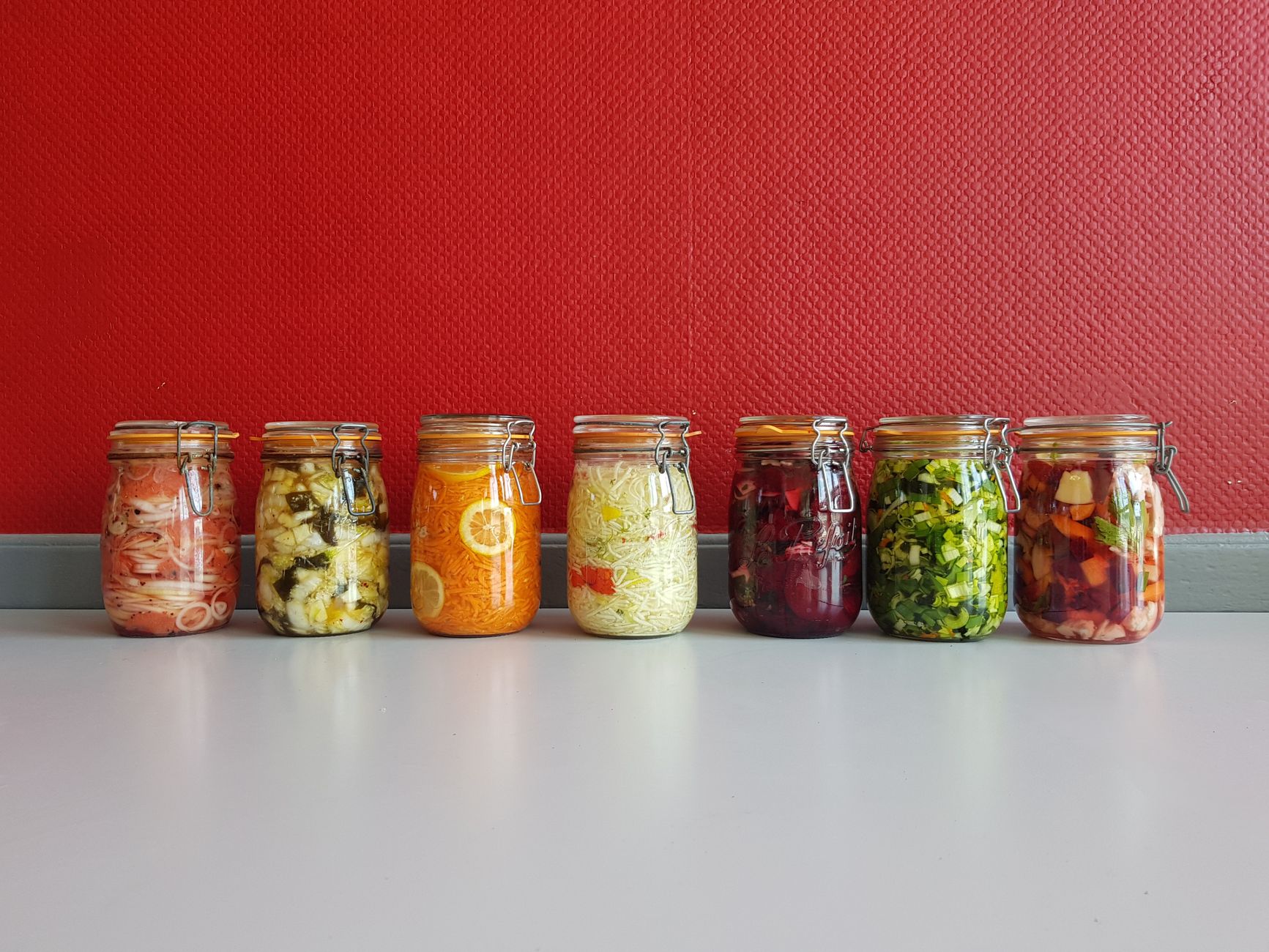
As of July 2026, the surge in popularity of fermented foods is reshaping the food industry, with a notable focus on gut health. Recent studies indicate that over 70% of consumers are actively seeking out probiotics in their diets, reflecting a significant shift towards health-conscious eating.
According to a report by the International Probiotics Association, the global market for fermented foods is projected to exceed $200 billion by 2028. This growth is driven by increasing awareness of the benefits of gut health, which is linked to improved digestion, enhanced immunity, and even mental well-being.
“People are more informed than ever about the connection between gut health and overall wellness,” said Dr. Sarah Klein, a nutritionist and researcher at the Gut Health Institute. “Fermented foods are no longer just niche products; they are becoming essential components of everyday diets.”
Popular fermented items such as yogurt, kimchi, and kombucha are making their way into mainstream grocery aisles, and sales figures support this trend. Data from Nielsen shows that sales of fermented products have risen by 35% since 2024, with kombucha sales alone increasing by 50% over the past year.
Food brands are responding to this demand by innovating and expanding their product lines. For instance, major yogurt brands are launching new probiotic-rich options that cater to varying dietary preferences, including plant-based alternatives. “We want to ensure that everyone has access to gut-friendly foods,” said Mark Thompson, CEO of ProBio Foods. “Our new line not only meets the needs of health-conscious consumers but also appeals to those with dietary restrictions.”
Additionally, restaurants are incorporating fermented ingredients into their menus, recognizing the consumer appetite for gut health. A recent survey by the National Restaurant Association revealed that 60% of chefs consider fermented foods a hot trend in 2026, with dishes featuring miso, sauerkraut, and pickled vegetables gaining traction.
Experts emphasize that while fermented foods can offer health benefits, consumers should be cautious of overly processed options that may not provide the same probiotic advantages. “Not all fermented products are created equal,” cautioned Dr. Klein. “It’s important to look for live and active cultures to truly reap the benefits.”
As fermented foods continue to dominate the health food landscape, industry stakeholders are optimistic about the future. “The rise of gut health awareness is just beginning,” said Thompson. “We anticipate that innovation in this space will continue to flourish as consumers seek out products that support their health journeys.”