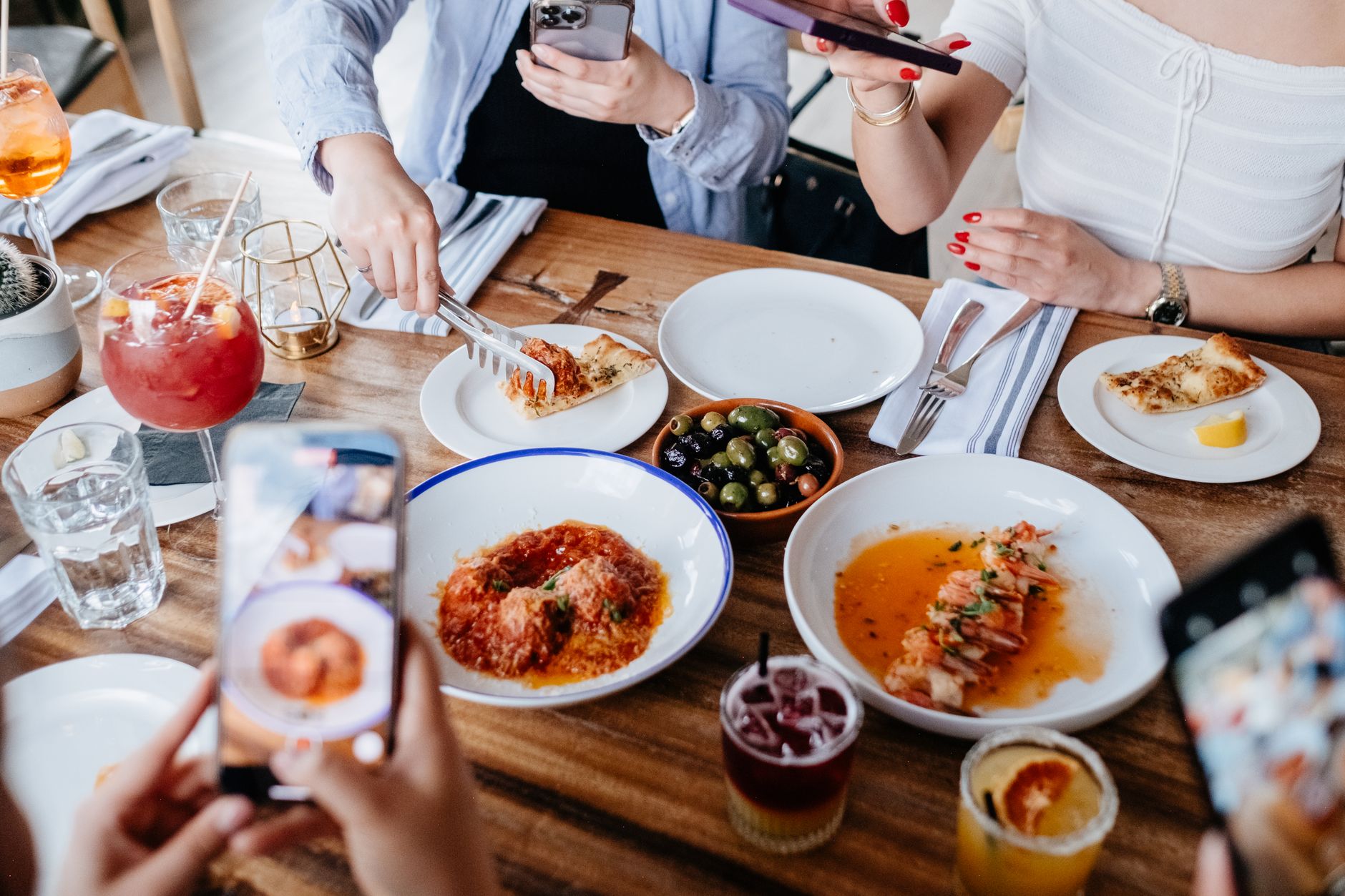
In July 2026, food photography on social media is undergoing a significant transformation, driven by evolving consumer preferences and the rise of advanced mobile technology. As platforms like Instagram and TikTok continue to dominate, the visual representation of food is becoming more sophisticated and engaging than ever.
A recent survey conducted by Food Social Insights indicates that 75% of food-related posts now incorporate some form of video content, reflecting a shift from static images to dynamic storytelling. This trend is particularly pronounced among younger demographics, with 85% of Gen Z users preferring video over images when browsing food content.
Influencers are adapting their strategies to meet this demand. Renowned food photographer and influencer Mia Torres notes, “The key to capturing your audience is storytelling. A single dish can evoke emotions and memories, and video allows us to communicate that in a way photos alone cannot.” This sentiment is echoed by brands, which are increasingly investing in video marketing to showcase their products and engage consumers.
Additionally, the use of augmented reality (AR) is emerging as a game-changer in food photography. Restaurants and food brands are leveraging AR filters to create interactive experiences for users. According to a report by Social Media Trends 2026, 40% of food brands plan to incorporate AR into their marketing strategies within the next year, allowing customers to visualize dishes in their own spaces before ordering.
Color psychology is also becoming a focal point in food photography. Research shows that vibrant colors can increase engagement by up to 30%. Photographers are now experimenting with bold backgrounds and contrasting colors to make dishes pop on the screen. “Colors play a crucial role in attracting viewers,” says culinary photographer David Kim. “A dish that’s beautifully presented with the right color palette can make a significant difference in how it’s perceived online.”
Moreover, sustainability is influencing food photography trends. There’s a marked increase in the portrayal of locally sourced ingredients and eco-friendly practices. Consumers are gravitating towards brands that emphasize sustainability, and this trend is reflected in the visual narratives being crafted by food photographers. The Food Sustainability Index reports a 50% increase in posts highlighting sustainable practices over the past year.
The rise of micro-influencers is another noteworthy trend. With their smaller but more engaged followings, these individuals are creating authentic content that resonates with niche audiences. Their emphasis on personal storytelling and connection often leads to higher engagement rates compared to traditional influencers.
As food photography continues to evolve, it is clear that those who adapt to these trends will thrive in the competitive landscape of social media. The blend of technology, creativity, and consumer awareness is reshaping how food is presented and perceived, ultimately redefining the culinary experience online.