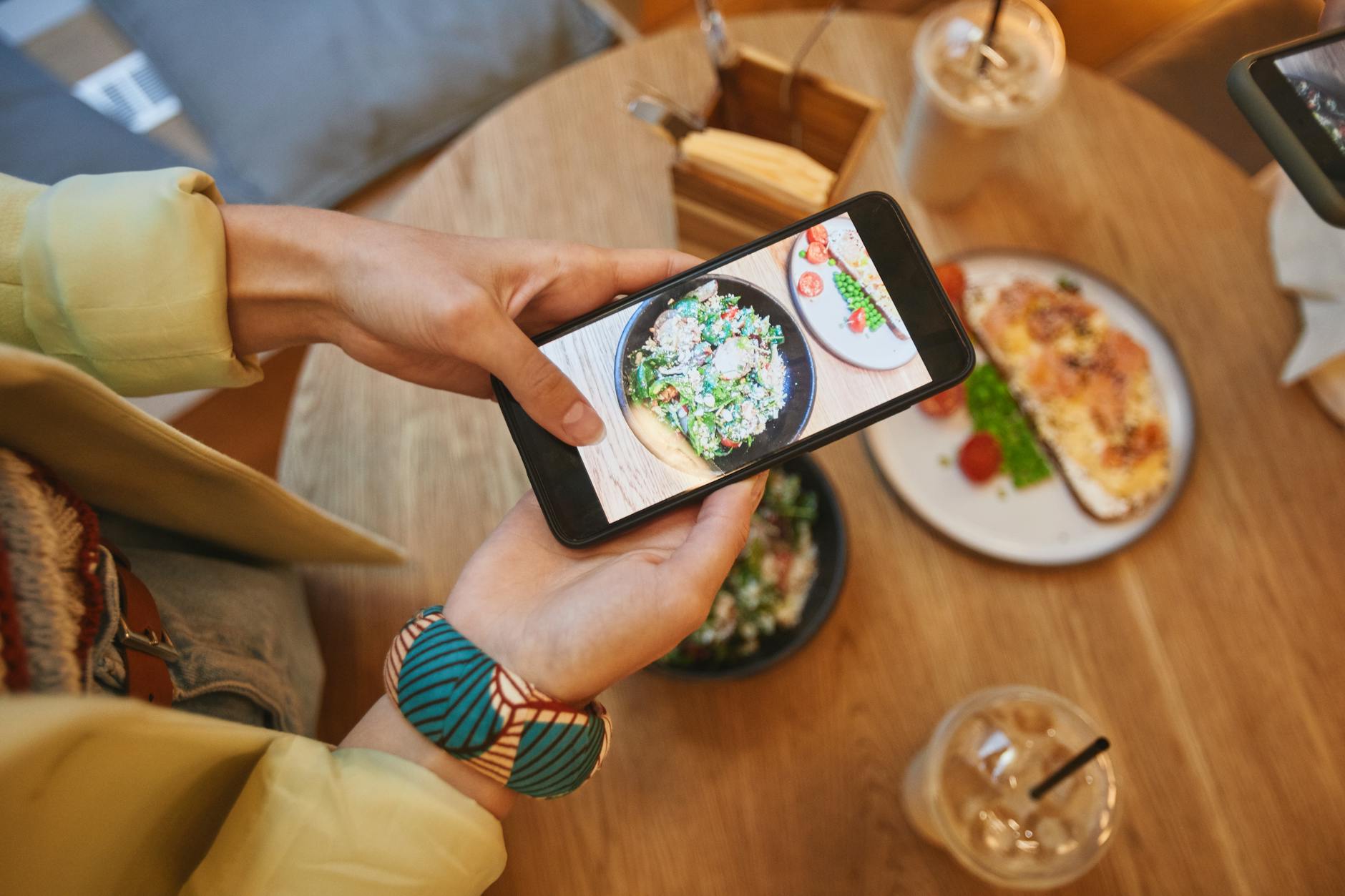
As we move through July 2026, food photography is witnessing a remarkable transformation on social media platforms, reshaping the way consumers engage with culinary content. Recent data from the Food and Beverage Social Media Institute (FBSMI) reveals that posts showcasing food photography have increased by 40% year-on-year, underscoring the medium's growing importance in influencing consumer preferences.
According to a survey conducted by the FBSMI, 72% of respondents admitted that they are more likely to visit a restaurant if they encounter visually appealing food posts on social media. This trend has led dining establishments to invest significantly in their visual marketing strategies, with 64% of surveyed restaurant owners stating that they have hired professional photographers or influencers to enhance their online presence.
One of the most notable trends in food photography is the rise of “raw and real” imagery, where authenticity takes center stage. Food stylist and photographer Mia Reynolds notes, "Consumers are increasingly drawn to images that reflect genuine experiences rather than overly polished presentations. This shift encourages restaurants to showcase their offerings in a more relatable manner, emphasizing real ingredients and honest cooking methods."
The impact of this trend is evident in platforms like Instagram and TikTok, where the hashtag #FoodPhotography has amassed over 150 million posts. In particular, TikTok's focus on short-form video content has led to a surge in creative food photography techniques, with users experimenting with time-lapse cooking videos and ASMR food sounds to captivate their audiences.
Additionally, the integration of augmented reality (AR) has emerged as a game changer in food photography. Restaurants and brands are increasingly using AR filters that allow users to visualize dishes in their own spaces before making a decision. A recent survey by AR Food Trends found that 58% of users reported feeling more inclined to order a dish after interacting with it through AR technology.
The use of vibrant colors and dynamic compositions remains a staple in food photography, but there is a noticeable shift towards sustainability-themed visuals. Photographers are now highlighting farm-to-table practices and plant-based dishes, reflecting consumers’ growing interest in health and sustainability. In fact, a report by the Green Plate Initiative shows that plant-based food photography posts have increased by 55% in the past year.
In response to these trends, culinary schools are incorporating food photography courses into their curriculums, preparing aspiring chefs to master the art of visual storytelling. Chef and educator Lila Martin emphasizes, "In today’s food landscape, knowing how to present your dishes visually is just as crucial as knowing how to cook them. It’s about creating a connection with the diner even before they take their first bite."
As the food photography landscape continues to evolve, it is clear that these trends not only reflect changing consumer preferences but also signify a broader shift in the food industry towards authenticity and innovation. This July, the spotlight remains firmly on the artistry of food photography, shaping the future of dining experiences.