As we step into July 2026, the gut health trend continues to gain momentum across America and the UK. With a growing body of research linking gut microbiome health to overall well-being, consumers are increasingly turning to foods rich in probiotics and prebiotics.
According to a recent report from Market Research Future, the global probiotics market is projected to reach $77 billion by 2028, growing at a compound annual growth rate (CAGR) of 8.3%. In the UK alone, the prebiotic food market is expected to hit £1.5 billion by 2025, driven by consumer demand for digestive health solutions.
Leading brands are capitalizing on this trend by launching innovative products that cater to the health-conscious consumer. For instance, Activia, a well-known yogurt brand, has introduced a new line of dairy-free yogurts infused with live cultures, priced at $5.99 for a pack of four in the US and £4.20 in the UK. These products not only appeal to vegans but also those looking to reduce dairy intake.
Another notable entry is Oatly, which has expanded its offerings to include oat-based drinks fortified with prebiotics. Their new Prebiotic Oat Drink is available in stores for about $3.49 a liter in the US and £2.50 in the UK. This product aims to support digestive health while also providing a dairy substitute.
Online retailer Thrive Market recently reported a 40% increase in sales of probiotic supplements and foods over the past year. Brands like Garden of Life and Renew Life have seen their probiotic capsules fly off the virtual shelves, with prices ranging from $24.99 to $49.99 for a month's supply.
Additionally, fermented foods are enjoying a renaissance. Kimchi and sauerkraut, traditionally staples in various cultures, have become trendy superfoods. Brands like Wildbrine sell a jar of organic kimchi for around $8.99 in the US and £6.50 in the UK, appealing to health enthusiasts eager to incorporate gut-friendly foods into their diets.
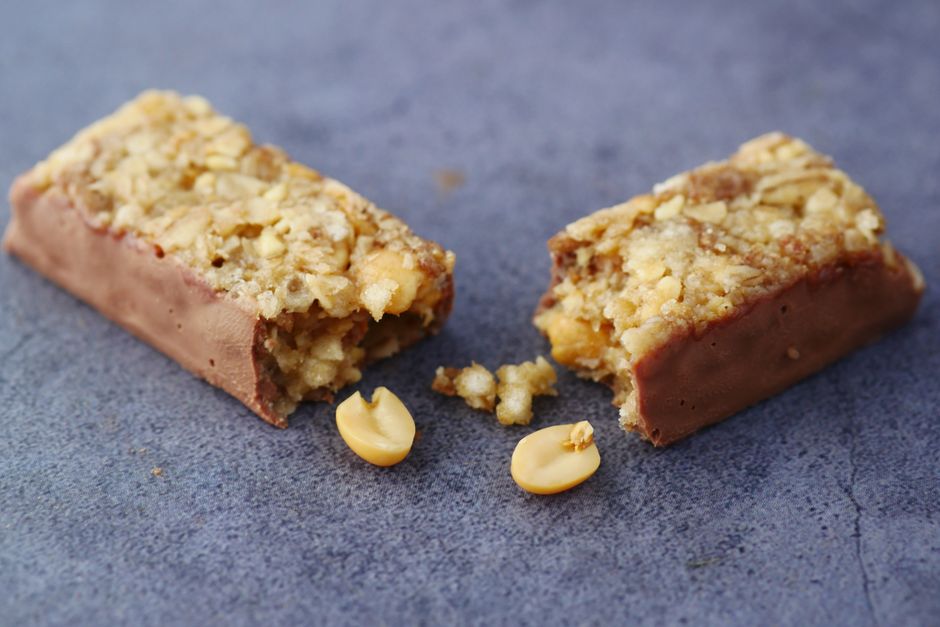
The trend is not limited to traditional food products; snacks are also getting a gut health makeover. For example, the snack brand, Probiotic Bar, has launched a new range of protein bars containing prebiotic fibers, retailing at $2.49 each in the US and £1.80 in the UK. These bars are geared towards fitness enthusiasts looking to support gut health while on the go.
As we move further into 2026, the gut health trend is expected to evolve. Consumers are becoming more educated about the benefits of gut health, prompting brands to innovate continuously. With the stakes high, companies are investing in research and development to create products that not only taste good but also promote a healthy gut.
As the market expands, it will be exciting to see how brands adapt to meet the demands of this health-conscious consumer base, ultimately transforming the way we think about food and wellness.