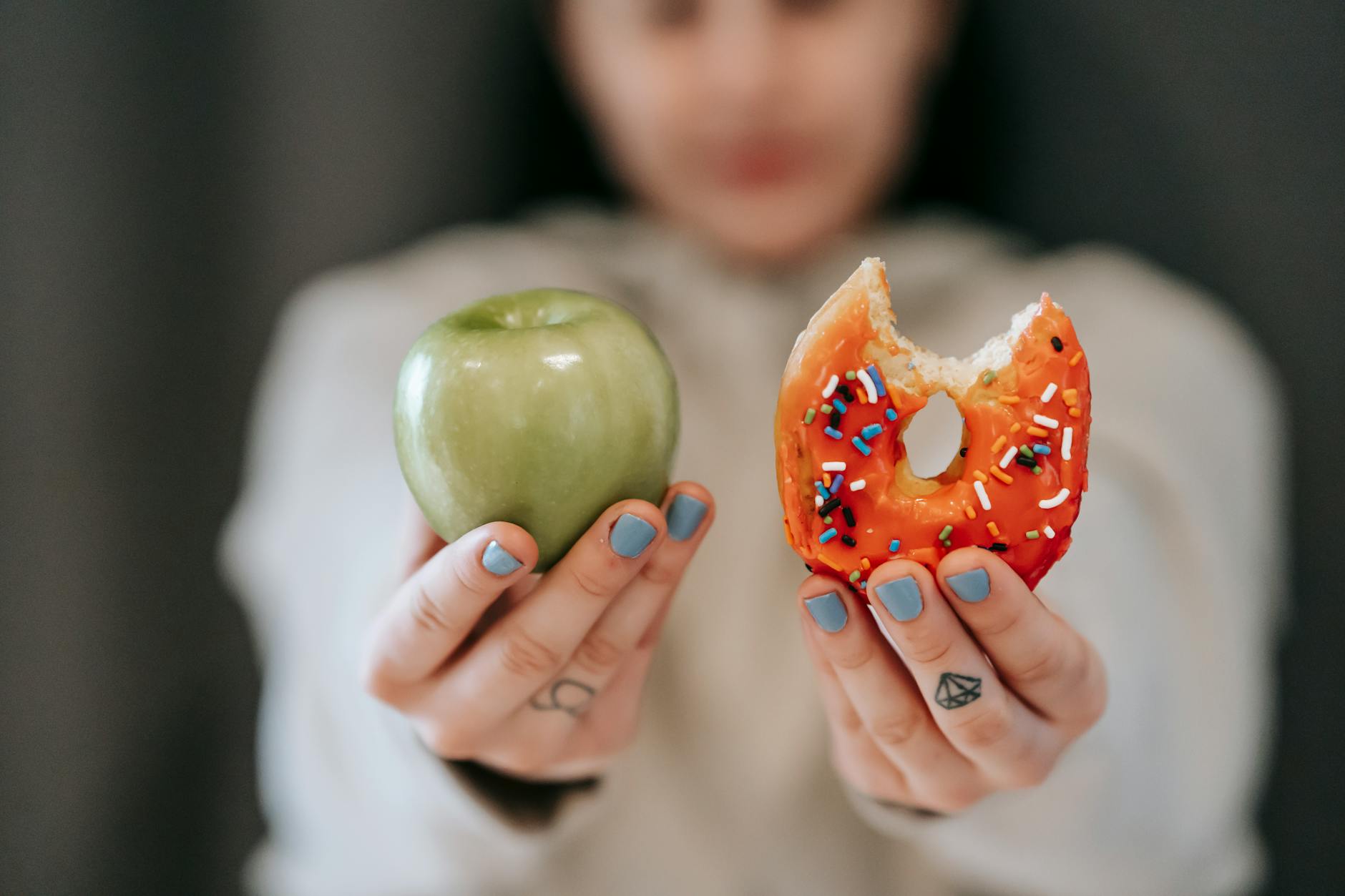
The average American eats 17 teaspoons of added sugar every single day — nearly three times the recommended amount. What's more surprising? Most of those cravings aren't about willpower at all. They're driven by biology, blood sugar swings, and nutrient gaps you probably didn't know you had. If you want to learn how to stop sugar cravings for good, you're in the right place.
Table of Contents
- Why Sugar Cravings Happen (The Real Science)
- Fix Your Blood Sugar First
- Protein and Fiber: Your Two Best Weapons
- Micronutrient Deficiencies That Drive Cravings
- Sleep, Stress, and the Cortisol-Sugar Connection
- Smart Swaps and Craving-Busting Meal Ideas
- FAQ
Why Sugar Cravings Happen (The Real Science)
Sugar cravings are not a character flaw. They are a neurochemical response. When you eat sugar, your brain releases dopamine — the same feel-good chemical triggered by exercise or laughter. Over time, your brain starts expecting that hit.
Research shows that high-sugar diets can reduce dopamine receptor sensitivity by up to 40%. That means you need more sugar to feel the same pleasure. It becomes a cycle.
Ultra-processed foods make this worse. They are engineered with a precise ratio of sugar, fat, and salt to hit what food scientists call the "bliss point." Your natural hunger signals don't stand a chance against that kind of design.
Pro Tip: Start reading ingredient labels. If sugar appears in the first three ingredients, the product is likely designed to keep you coming back. Use our recipe collection to find whole-food alternatives that satisfy without the spike.
Fix Your Blood Sugar First
The single biggest driver of sugar cravings is unstable blood sugar. When your blood glucose drops too low — a state called reactive hypoglycemia — your brain sends an emergency signal: eat something sweet, right now.
This crash typically happens 2–3 hours after eating a high-carb, low-protein meal. Think white bread toast for breakfast with orange juice. Blood sugar spikes to around 140 mg/dL, then crashes — and the craving cycle begins.
The fix is simple. Eat balanced meals that combine complex carbohydrates, protein, and healthy fat. A meal of 40% carbs, 30% protein, and 30% fat produces a much flatter blood sugar curve. That flat curve means fewer cravings between meals.
Pro Tip: Add 1–2 tablespoons of apple cider vinegar (diluted in water) before a high-carb meal. Studies suggest it can reduce post-meal blood sugar spikes by up to 20%. Use our free calorie calculator to find the exact calories in any food and build better-balanced plates.
Protein and Fiber: Your Two Best Weapons Against Sugar Cravings
If you do one thing after reading this article, it should be this: eat more protein at breakfast. A study published in the American Journal of Clinical Nutrition found that eating 30 grams of protein at breakfast reduced cravings and late-night snacking significantly compared to a low-protein breakfast.
Why does protein work? It raises levels of peptide YY and GLP-1 — hormones that signal fullness — while lowering ghrelin, the hunger hormone. More protein = less hunger = fewer reasons to reach for sugar.
Fiber works hand in hand with protein. Soluble fiber slows digestion and blunts blood sugar spikes. The daily recommendation is 25 grams for women and 38 grams for men, according to the Academy of Nutrition and Dietetics. Most Americans get only about 15 grams per day.
Great high-fiber foods include lentils (15.6 grams per cup, per USDA FoodData Central), black beans (15 grams per cup), and raspberries (8 grams per cup). Want to compare which foods give you the most fiber per calorie? Try our food comparison tool to see them side by side.
Pro Tip: Build every meal around the "Plate Method": ½ plate non-starchy vegetables, ¼ plate lean protein, ¼ plate complex carbs. This structure naturally hits your protein and fiber targets without counting a single macro.
Micronutrient Deficiencies That Drive Sugar Cravings
Sometimes a sugar craving is your body asking for something specific. Certain nutrient deficiencies are directly linked to increased sweet cravings and energy crashes.
Magnesium is the most common culprit. Nearly 48% of Americans don't get enough magnesium, according to the National Institutes of Health. Magnesium plays a role in over 300 enzymatic reactions, including glucose metabolism. Low magnesium means poor blood sugar regulation — and more cravings. Food sources include dark chocolate (64 mg per ounce), almonds (76 mg per ounce), and spinach (157 mg per cup cooked), per USDA FoodData Central.
Chromium is another key mineral. It enhances insulin sensitivity and helps cells absorb glucose efficiently. Low chromium is associated with intense carbohydrate and sugar cravings. Broccoli (11 mcg per ½ cup) and grape juice are among the richest dietary sources.
Zinc deficiency dulls taste sensitivity, which can make you crave stronger, sweeter flavors to feel satisfied. Oysters, beef, and pumpkin seeds are excellent zinc sources.
Pro Tip: Before reaching for supplements, try a food-first approach. A diverse diet rich in leafy greens, legumes, nuts, seeds, and whole grains will cover most of these bases. Check out our visual calorie cheat sheets for quick-reference guides to nutrient-dense foods.
Sleep, Stress, and the Cortisol-Sugar Connection
Poor sleep and high stress are two of the most overlooked causes of sugar cravings. Here's the biology: when you sleep fewer than 7 hours per night, your body produces more ghrelin (hunger hormone) and less leptin (fullness hormone). Studies show sleep-deprived people consume an average of 385 extra calories per day — and those calories tend to be high-sugar, high-fat foods.
Chronic stress raises cortisol levels. Cortisol triggers glucose release into the bloodstream to fuel a "fight or flight" response. But when that glucose goes unused — because you're stressed at a desk, not running from a lion — blood sugar crashes and sugar cravings follow.
Practical stress management matters here. Even 10 minutes of deep breathing or a 20-minute walk can reduce cortisol levels measurably. Prioritizing 7–9 hours of quality sleep is one of the most powerful dietary interventions you can make — even though it has nothing to do with food.
Pro Tip: Try a consistent sleep schedule — same bedtime and wake time every day. Research shows that irregular sleep patterns disrupt metabolic hormones as much as chronic sleep deprivation does.
Smart Swaps and Craving-Busting Meal Ideas
Knowing the science is one thing. Having practical tools is another. Here are specific swaps and meal ideas that fight sugar cravings while keeping your diet satisfying.
Instead of a sugary breakfast cereal (which can pack 12–18 grams of sugar per serving), try Greek yogurt with berries and a tablespoon of chia seeds. You get 17–20 grams of protein, 5+ grams of fiber, and natural sweetness with no blood sugar crash.
Instead of a mid-afternoon candy bar, try a small apple with 2 tablespoons of almond butter (~7 grams of protein, 3.3 grams of fiber). The combination of fiber, healthy fat, and protein blunts cravings for hours.
For dinner, try a lentil and vegetable soup. One bowl delivers up to 18 grams of protein and 16 grams of fiber for under 350 calories. It's one of the most craving-protective meals you can eat.
The key principle: never eat carbohydrates alone. Always pair them with protein or fat to prevent blood sugar spikes.
Pro Tip: Prep craving-proof snacks on Sunday so they're ready when you need them. Portioned bags of nuts, hard-boiled eggs, and cut vegetables with hummus are all fast, effective options. Browse our recipe collection for dozens of satisfying, low-sugar meal ideas built by registered dietitians.
Frequently Asked Questions
How long does it take to stop sugar cravings?
Most people notice a significant reduction in cravings within 7–10 days of cutting added sugar and stabilizing blood sugar through diet. The first 3 days are typically the hardest as your brain adjusts dopamine sensitivity. By day 14, many people report that overly sweet foods start to taste unpleasantly sweet.
Does artificial sweetener help stop sugar cravings?
The research is mixed. Some studies suggest artificial sweeteners maintain sweet taste preferences and may even increase cravings over time. Others show no significant effect. The safest approach is to gradually reduce overall sweetness in your diet — including artificial sweeteners — to reset your palate over 4–6 weeks.
Why do I crave sugar after every meal?
Post-meal sugar cravings are usually a sign that your meal lacked sufficient protein or fiber. If your meal didn't include at least 20–25 grams of protein, your satiety hormones may not have been triggered adequately. Try adding a protein source to every meal and see if cravings after eating disappear within a few days.
Is dark chocolate okay when trying to stop sugar cravings?
Yes — in moderation. Dark chocolate with 70% or higher cocoa content contains only about 6–8 grams of sugar per ounce, compared to milk chocolate's 15+ grams. It also provides magnesium and antioxidants. One to two squares can satisfy a sweet craving without derailing your blood sugar. Just watch your portion size.
Can dehydration cause sugar cravings?
Yes. When you're mildly dehydrated, your liver has difficulty releasing glycogen (stored glucose) efficiently. Your body interprets this as a need for quick energy — and sends sugar cravings. Drink at least 8 cups (64 oz) of water per day and try drinking a full glass of water before reaching for a sweet snack. You may find the craving disappears within minutes.
Conclusion: You Can Stop Sugar Cravings — Starting Today
Learning how to stop sugar cravings isn't about white-knuckling through deprivation. It's about giving your body what it actually needs: stable blood sugar, enough protein and fiber, key micronutrients, quality sleep, and stress management. Address these root causes and cravings will shrink on their own.
Start with just one change this week. Add 30 grams of protein to breakfast. Drink more water. Swap your afternoon candy bar for an apple with almond butter. Small, consistent steps add up fast.
Use our free calorie calculator to build meals that hit your protein and fiber targets every day. Compare whole foods vs. processed options with our food comparison tool. And browse our recipe collection for delicious, dietitian-approved meals that make stopping sugar cravings feel easy — not like a sacrifice.
Your body is not broken. It's just been given the wrong fuel. Change the fuel, and everything changes.