India's 2026 Cumin Harvest Faces 14% Acreage Reduction as China Cuts Indian Imports
India's spring 2026 cumin harvest is projected to be smaller than prior years due to a nearly 14% reduction in planted acreage during the October–December sowing season, raising fresh supply concerns for global buyers. The shortfall is compounded by a shift in Chinese purchasing behavior — China produced a strong domestic cumin crop and has significantly reduced its imports from India, causing Indian cumin prices to fall and pushing farmers to redirect their land toward higher-return crops. This creates a complex dynamic where lower farm-gate prices and reduced planting acreage combine to tighten future supply, even as geopolitical instability in traditional Middle Eastern cumin-producing regions continues to make India the default backstop supplier for global buyers. Procurement teams are being advised to secure forward contracts and diversify sourcing to manage the anticipated volatility.
🍳 Inspired to cook?
Classic Indian Jeera Rice with Cumin-Spiced Dal — a simple, aromatic dish that puts cumin front and center, perfect for appreciating one of the world's most geopolitically sensitive spice crops
Find this recipeRecipes you might enjoy
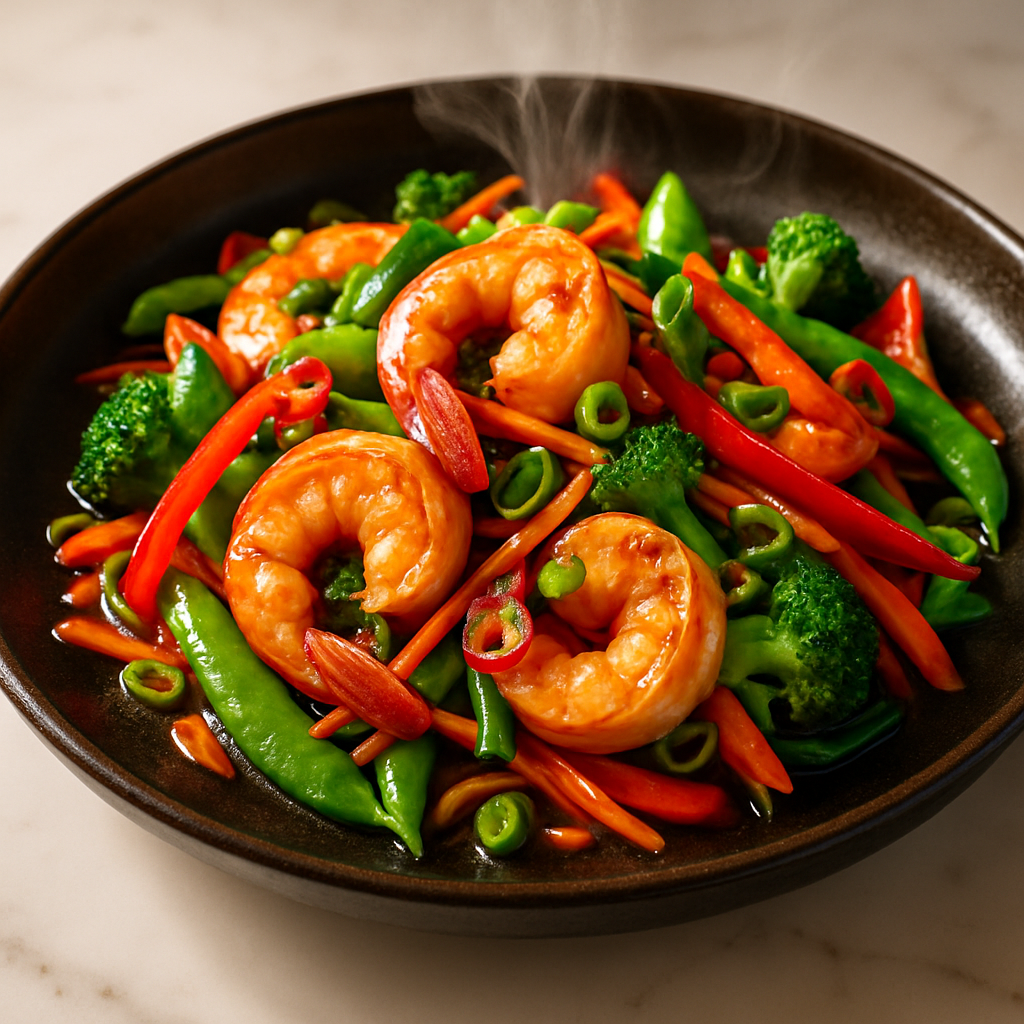

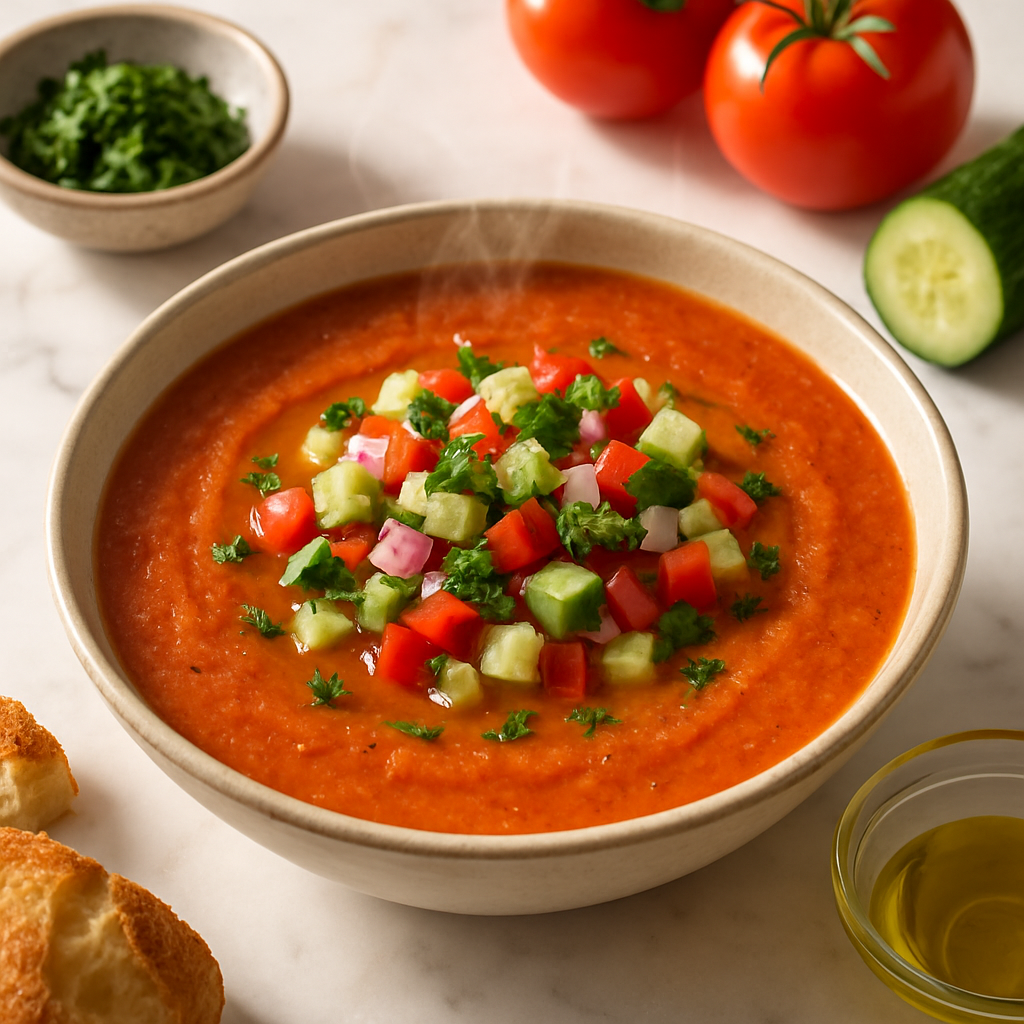

More food news
Food SafetyAI-Powered Food Safety Monitoring System Launches Nationwide
7/1/2026Food ScienceRevolutionary Plant-Based Protein Breakthrough Redefines Meat Alternatives
7/1/2026Market NewsPlant-Based Stocks Take a Hit Following Consumer Sentiment Shift
6/30/2026Market NewsFood Stocks Rally Amid Strong Earnings Reports
6/30/2026Food SafetyRecall Issued for Multiple Frozen Berry Brands Due to Hepatitis A Risk
6/30/2026