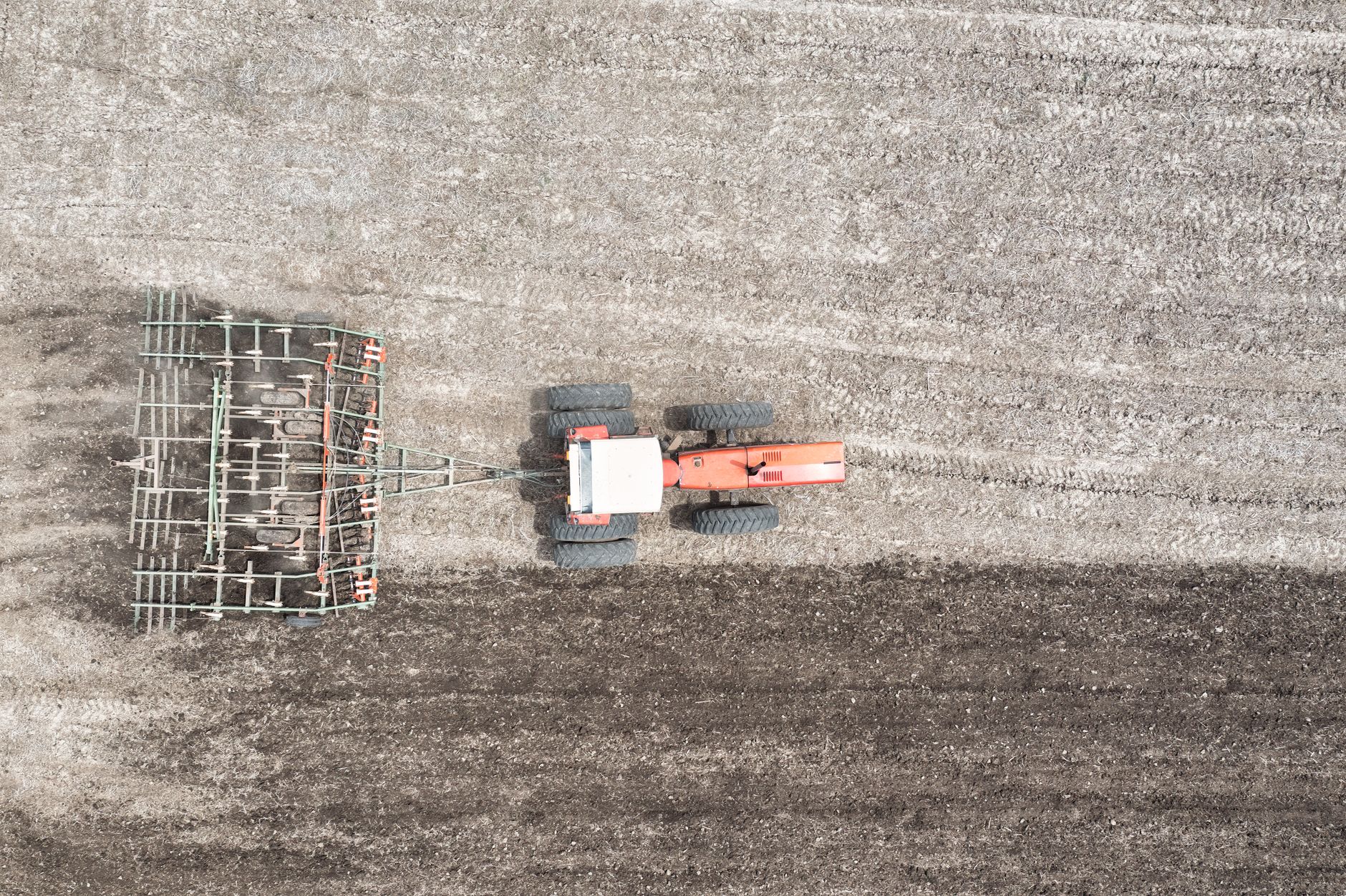
As the July sun rises over America’s heartland, farmers are celebrating a remarkable surge in crop yields, attributing this success to innovative farming techniques that are reshaping the agricultural landscape. According to the U.S. Department of Agriculture (USDA), average corn yields are projected to reach an all-time high of 190 bushels per acre, up 10% from last year’s average.
This uptick in productivity is being driven by advancements in precision agriculture, which incorporates data analytics and technology to enhance farming efficiency. Farmers are using GPS-guided equipment, soil sensors, and drones to monitor crop health and optimize inputs, leading to better resource management and reduced waste.
“The adoption of technology has been a game changer for us,” said John Thompson, a corn and soybean farmer in Iowa. “We’re not just increasing our yields; we’re doing it in a way that’s more sustainable and environmentally friendly.” Thompson reported a 20% increase in his soybean harvest this year, a testament to the effectiveness of these modern practices.
The impact of these innovations is not limited to individual farms. Nationwide, the USDA estimates that U.S. crop production could increase by 15% over the next five years, potentially adding $30 billion to the agricultural economy. This growth is particularly crucial as food demand continues to rise globally.
Climate resilience is another critical factor driving these advancements. With changing weather patterns, farmers are increasingly adopting climate-smart practices, such as cover cropping and reduced tillage, to enhance soil health and mitigate the impacts of climate change. A recent study published in the journal Agriculture and Food Security highlighted that farms implementing these practices saw a 25% increase in resilience against drought conditions.
However, the shift to high-tech farming isn't without its challenges. Smaller farms often struggle with the costs associated with adopting new technologies. According to the National Farmers Union, 60% of small-scale farmers report that access to financing for these innovations is a significant barrier.
“We need to ensure that all farmers, regardless of size, can access the tools necessary to thrive in today’s market,” said Roger Johnson, president of the National Farmers Union. “Policymakers must prioritize support for smaller operations to foster a more equitable agricultural sector.”
As harvest season approaches, the agricultural community is optimistic about the potential for continued growth. With technology and sustainability at the forefront, the 2026 crop harvest could mark a pivotal moment in the evolution of American agriculture, setting a precedent for future generations of farmers.