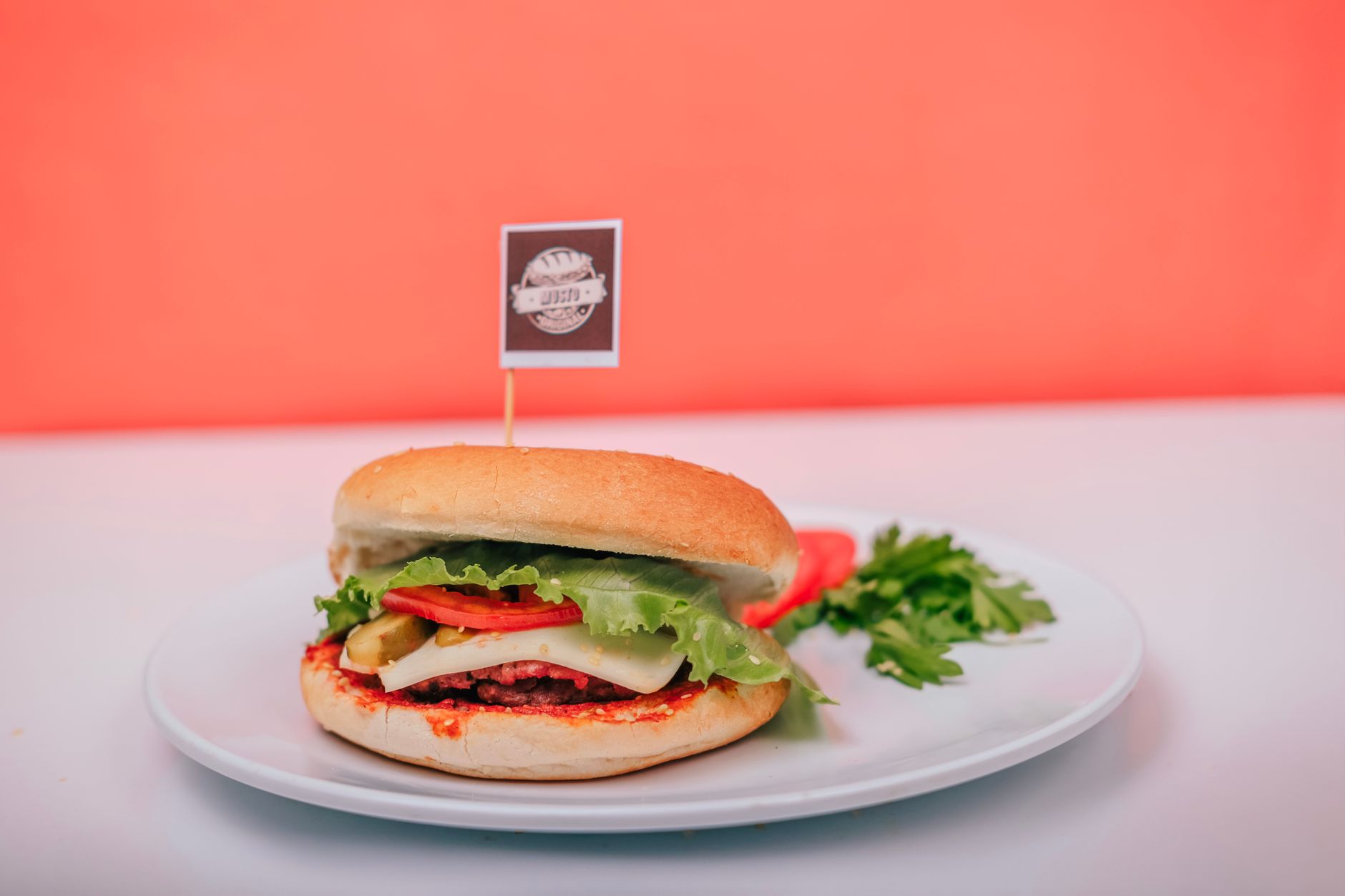
As the fast-food landscape continues to evolve, McDonald's and Burger King are stepping up their game by embracing the plant-based revolution. This trend has gained notable traction in 2026, with both chains expanding their vegetarian and vegan options to cater to changing consumer preferences.
A recent survey conducted by the National Restaurant Association revealed that 62% of consumers are actively seeking vegetarian options when dining out. In response, McDonald's has introduced its new 'McPlant Deluxe,' featuring a plant-based patty topped with fresh vegetables and special sauce. Early reports suggest that the item accounted for 15% of total burger sales in its first month.
Meanwhile, Burger King is not lagging behind, having launched its 'Impossible Whopper 2.0,' which boasts a richer flavor profile and improved texture. According to company data, sales of the Impossible Whopper have contributed to a 20% increase in foot traffic at their locations since its inception.
Industry analysts predict that the plant-based fast-food segment could reach $20 billion in the next five years, highlighting the urgency for traditional fast-food chains to adapt. "We've seen a significant shift in consumer behavior, with more diners prioritizing health and sustainability," said Dr. Sarah Thompson, a food industry expert at the Culinary Institute. "Brands that fail to innovate risk losing relevance in a highly competitive market."
Both McDonald's and Burger King are also focusing on sustainability in their supply chains. McDonald's recently announced a partnership with Beyond Meat to ensure that all plant-based products are sourced responsibly. Burger King, on the other hand, has committed to reducing its overall carbon footprint by 30% by 2030, which includes sourcing ingredients from sustainable farms.
The shift towards plant-based offerings is not just about health; it is also a response to increasing environmental awareness among consumers. A report from the World Resources Institute states that the production of meat contributes to over 14% of global greenhouse gas emissions. This has prompted many consumers to reconsider their dietary choices.
Both chains are also leveraging social media to promote their new offerings. McDonald's launched a campaign featuring influencers showcasing the versatility of the McPlant Deluxe, while Burger King has rolled out interactive promotions on platforms like TikTok to engage younger audiences.
As McDonald's and Burger King continue to redefine their menus, industry watchers will be closely monitoring how these changes impact sales and brand loyalty in an increasingly health-conscious world. With their commitment to innovation, these fast-food giants may not only satisfy customer cravings but also lead the way toward a more sustainable future.