Did you know the average American spends 37 minutes every day just deciding what to eat? That adds up to over 225 hours a year — nearly 10 full days — lost to the dinner dilemma. Most people think eating healthy takes too much time. The truth is, with smart meal prep for beginners, you can eat better and actually get that time back.
Table of Contents
- What Is Meal Prep and Why Does It Work?
- What You Need Before You Start
- How to Plan Your First Meal Prep Week
- The Best Beginner-Friendly Foods to Prep
- How to Store Meals Safely and Keep Them Fresh
- Common Beginner Mistakes and How to Avoid Them
- FAQ
- Conclusion
What Is Meal Prep and Why Does It Work?
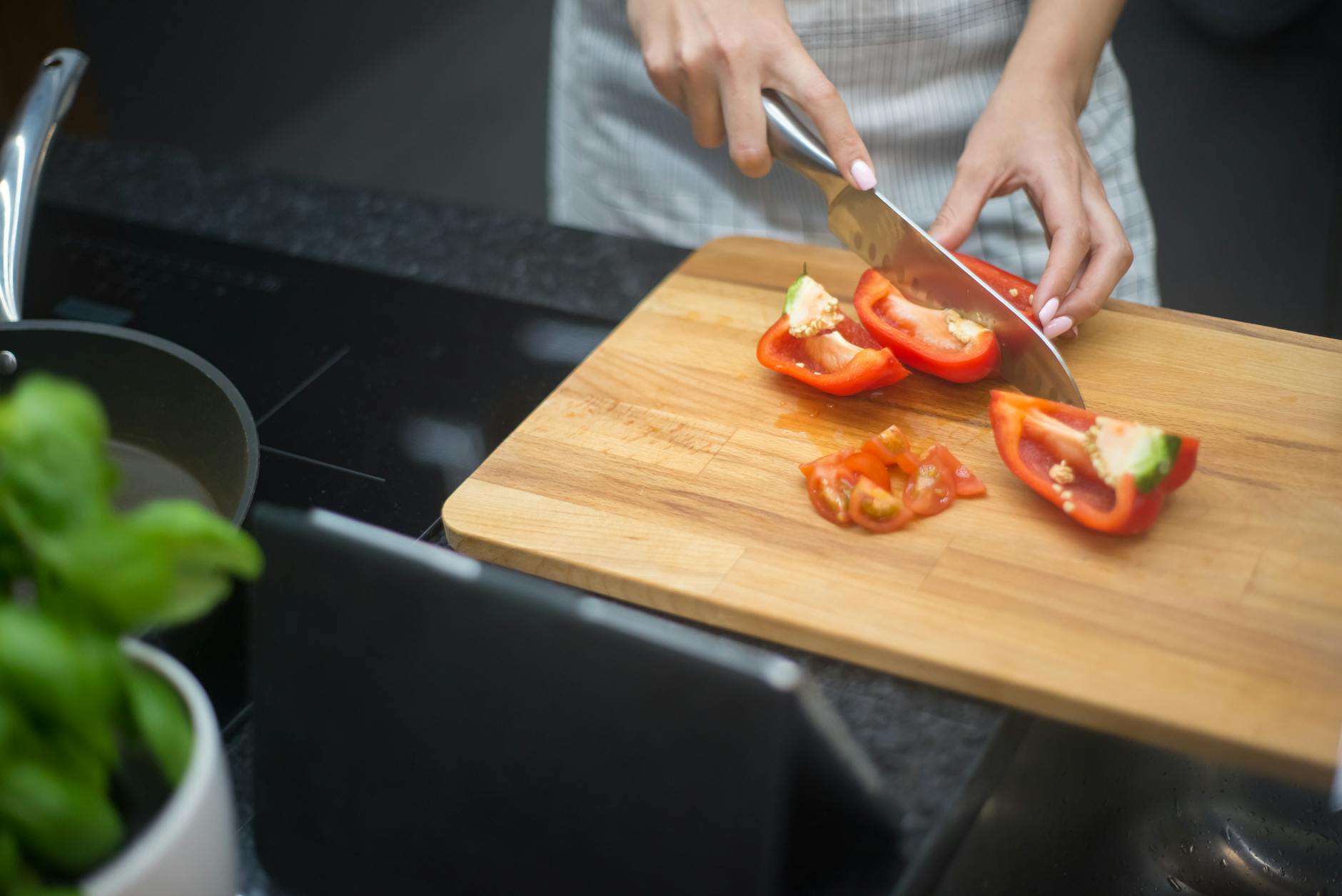
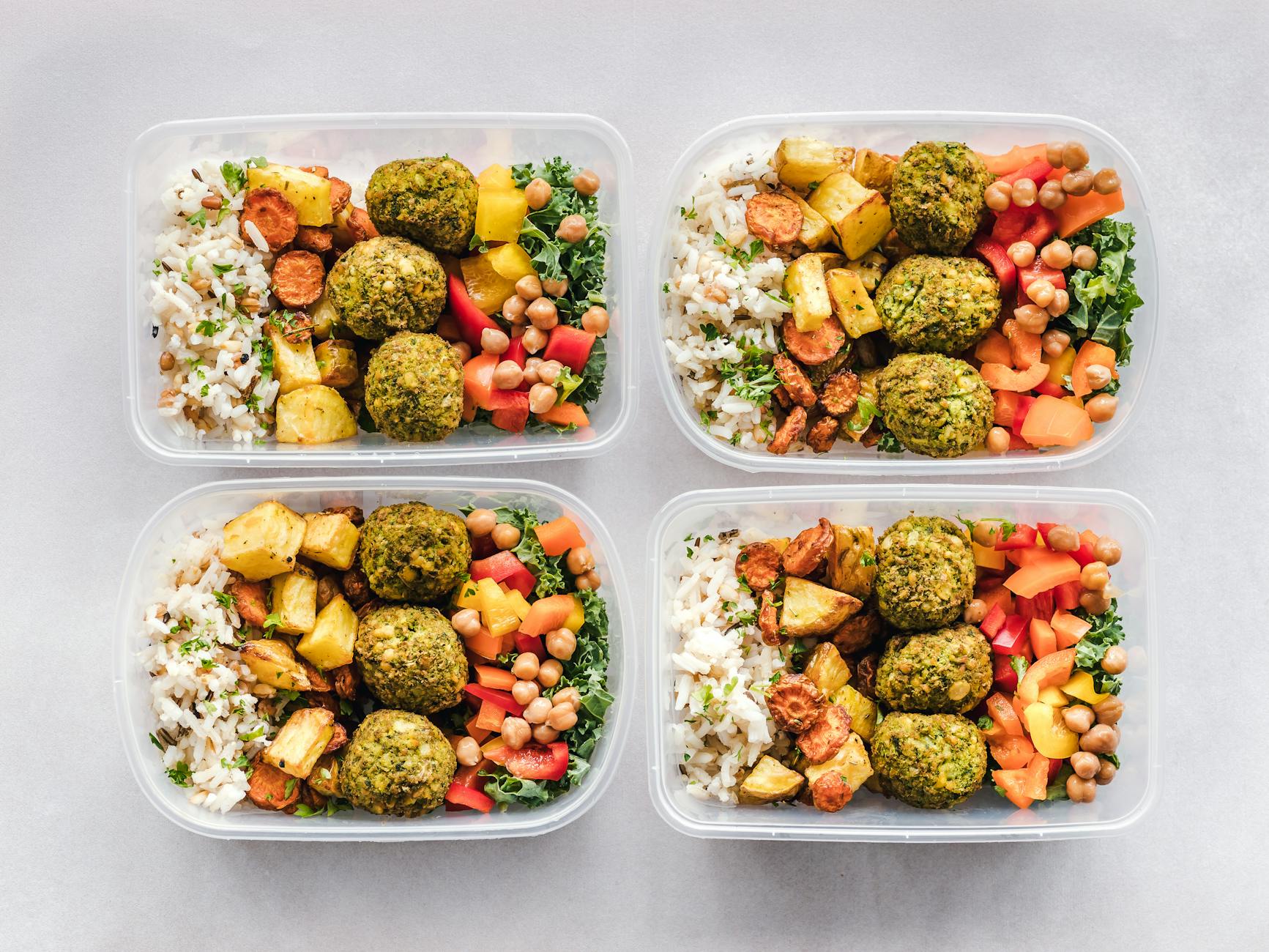
Meal prep means preparing food ahead of time so meals are easy to assemble or reheat later. It can be as simple as chopping vegetables on Sunday night. Or it can mean cooking full meals for the entire week.
Research shows people who meal prep eat up to 28% more fruits and vegetables than those who don't. They also consume fewer calories from fast food and processed snacks. When healthy food is already made, you choose it more often.
Meal prepping also saves real money. Cooking at home costs roughly $4 to $6 per meal, compared to $12 to $15 for a restaurant or takeout meal. Over one week, a family of two could save more than $80 just by prepping lunches.
Pro Tip: Start with just one meal category. Prep only lunches for your first week. Once that feels easy, add breakfasts or dinners.
What You Need Before You Start
You don't need a fancy kitchen or expensive gadgets. A few basic tools make a big difference. The most important item is good food storage containers. Glass containers with locking lids keep food fresh for 3 to 5 days in the fridge.
Here is a simple beginner toolkit:
- A large sheet pan (for roasting vegetables and proteins)
- One large pot (for grains, soups, and boiling eggs)
- A sharp chef's knife and cutting board
- At least 6 to 8 meal-sized containers (glass or BPA-free plastic)
- A kitchen scale (optional but helpful for accurate portions)
Knowing your calorie target is also key before you plan meals. Use our free calorie calculator to find the exact calories in any food and set a personalized daily goal.
Pro Tip: Label every container with the meal name and date using masking tape and a marker. This prevents waste and keeps your fridge organized.
How to Plan Your First Meal Prep Week
Good planning is 80% of successful meal prep. Without a plan, you'll buy random ingredients and stare at them all week. Follow this simple 4-step process.
Step 1 — Pick your meals. Choose 2 to 3 recipes for the week. Keep it simple. Think grilled chicken, roasted vegetables, and brown rice. Browse our recipe collection for healthy meal ideas that are beginner-friendly and nutritionally balanced.
Step 2 — Write a grocery list. Group items by category: proteins, grains, vegetables, dairy, and pantry staples. This cuts your shopping time by nearly half.
Step 3 — Schedule your prep time. Block out 90 to 120 minutes on Sunday or Monday. Treat it like an appointment you can't cancel.
Step 4 — Cook in the right order. Start with items that take the longest — grains and proteins first, then vegetables, then sauces or dressings last.
Pro Tip: Plan meals that share ingredients. For example, roasted sweet potatoes work in a burrito bowl for lunch and as a side dish for dinner. This reduces waste and cuts prep time.
The Best Beginner-Friendly Foods to Prep
Not all foods prep equally well. Some get soggy or lose nutrients after a few days. Stick to foods that hold up in the fridge and reheat well.
Top proteins to prep:
- Chicken breast — 165 calories and 31g of protein per 3.5 oz serving (USDA FoodData Central)
- Hard-boiled eggs — 78 calories and 6g of protein each
- Canned or cooked chickpeas — 269 calories and 15g of protein per cup
- Ground turkey — 170 calories and 22g of protein per 3.5 oz
Top grains and carbs to prep:
- Brown rice — 216 calories per cooked cup, stores well for 4 days
- Quinoa — 222 calories per cooked cup, complete protein with all 9 essential amino acids
- Rolled oats — perfect for overnight oats, just 150 calories per half cup dry
Best vegetables to roast in bulk: broccoli, bell peppers, zucchini, sweet potato, and cauliflower. Roasting at 400°F for 20 to 25 minutes brings out natural sweetness and keeps them firm for days.
Want to compare the nutrition of two foods before you choose? Use our food comparison tool to see calories, protein, fiber, and more side by side.
Pro Tip: Cook a double batch of grains every time. Freeze half in single-serving bags. You'll always have a base ready without extra work.
How to Store Meals Safely and Keep Them Fresh
Food safety is non-negotiable. Improper storage leads to foodborne illness, and 48 million Americans get food poisoning every year, according to the CDC. Protect yourself with these rules.
Cool cooked food to room temperature — no more than 2 hours — before sealing containers. Putting hot food directly into the fridge raises the internal temperature and risks bacterial growth.
Fridge storage timelines:
- Cooked chicken and meat: 3 to 4 days
- Cooked grains and legumes: 4 to 5 days
- Roasted vegetables: 4 to 5 days
- Raw cut vegetables: 3 to 4 days
- Hard-boiled eggs (in shell): up to 7 days
For longer storage, freeze individual portions. Most cooked meals freeze well for up to 3 months. Label with the date so nothing gets forgotten.
Pro Tip: Keep dressings and sauces in separate small containers. Pouring them on salads or grain bowls only when you're ready to eat keeps everything crisp and fresh longer.
Common Beginner Mistakes and How to Avoid Them
Most beginners quit meal prep after one or two weeks. Not because it's hard — but because they make avoidable mistakes. Here are the most common ones.
Mistake 1 — Prepping too much too soon. Making 21 meals your first week is overwhelming. Start with just 5 lunches for the workweek. Build from there.
Mistake 2 — Eating the same thing every day. Meal prep doesn't mean eating identical meals seven times. Prep components — a protein, a grain, two vegetables — and mix them into different combinations each day.
Mistake 3 — Ignoring portion sizes. Healthy food can still lead to weight gain if portions are off. A serving of cooked brown rice is 1 cup (216 calories), not the heaping bowl most people serve themselves.
Mistake 4 — Not varying flavors. Bland food gets old fast. Keep a rotation of sauces: salsa, tahini, pesto, and hot sauce. Check out our visual calorie cheat sheets for quick reference on sauces and condiments that fit your calorie goals.
Mistake 5 — Skipping the cleanup. A messy kitchen makes you dread next week's prep. Clean as you go during your prep session. It takes 15 minutes less at the end and keeps the habit sustainable.
Pro Tip: Take a photo of your fridge after every prep session. Sharing it on social media or a wellness group creates accountability and keeps you motivated.
Frequently Asked Questions
How long does meal prep take for a beginner?
Most beginners can complete a solid prep session in 90 to 120 minutes. This covers 4 to 5 days of lunches and dinners. As you get faster and more organized, many people cut this down to 60 to 75 minutes within a month.
Is meal prep actually cheaper than buying food daily?
Yes — significantly. Home-prepped meals average $4 to $6 each. Takeout and restaurant meals average $12 to $15. For one person eating five lunches a week, meal prep can save $35 to $45 weekly, or roughly $1,800 to $2,300 per year.
What are the best meals to prep for weight loss?
Focus on high-protein, high-fiber meals that keep you full. Good options include grilled chicken with quinoa and roasted broccoli (about 450 calories), turkey and vegetable stir-fry with brown rice (about 400 calories), and chickpea Buddha bowls (about 380 calories). Use our free calorie calculator to dial in exact portions for your goal.
Can I freeze prepped meals?
Absolutely. Most cooked proteins, grains, soups, and stews freeze well for up to 3 months. Avoid freezing salads, raw cucumbers, cooked pasta (it gets mushy), and dairy-based sauces. Freeze in single-serving portions for the easiest reheating.
How do I keep prepped salads from getting soggy?
Store dressing separately and always place sturdy greens like kale or romaine at the bottom of the jar or container. Add toppings like nuts, cheese, and croutons right before eating. Properly stored salads stay fresh for 3 to 4 days this way.
Start Your Meal Prep Journey Today
Meal prep for beginners is one of the most powerful habits you can build for your health and your wallet. You don't need to be a chef. You don't need hours of free time. You just need a plan, the right foods, and two hours on a weekend.
Start small. Pick two recipes this week. Block out Sunday afternoon. Prep your lunches and see how different your week feels when healthy food is always waiting for you.
The goal isn't perfection — it's progress. Even one prepped meal a day is a win. Over time, these small actions build a lifestyle where eating well becomes effortless, not exhausting.
Ready to go deeper? Browse our recipe collection for hundreds of beginner-friendly healthy meals. Use our food comparison tool to build the most nutritious plate possible. And check out our visual calorie cheat sheets to make smart swaps without the guesswork. Your healthiest week starts now.