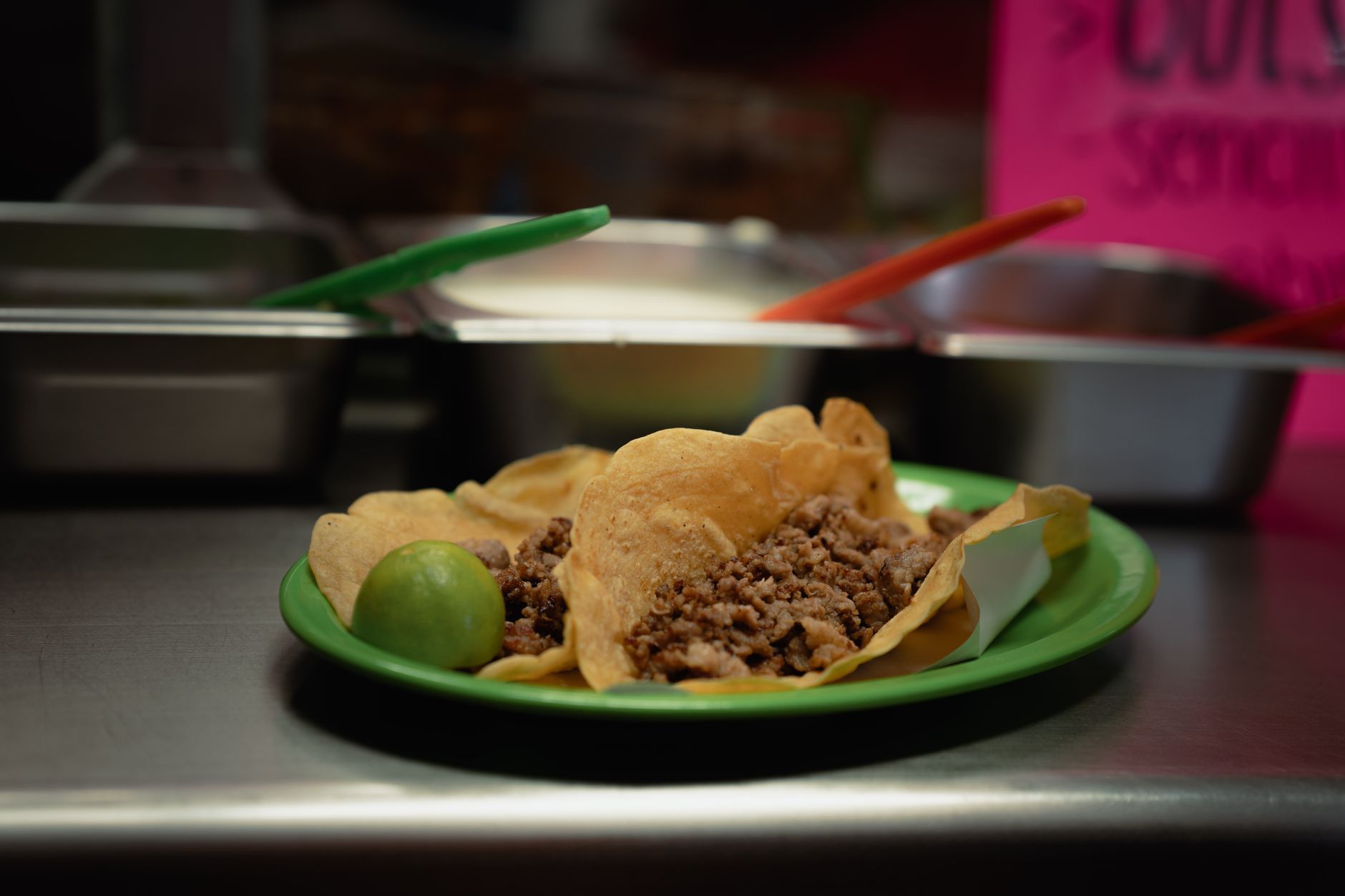
The Mexican taco industry is witnessing an unprecedented growth trajectory, driven by a combination of evolving consumer preferences and innovative culinary trends. According to a recent report from Market Research Future, the taco segment is projected to reach a staggering $5 billion by 2028, growing at a compound annual growth rate (CAGR) of 8.5% from 2023 to 2026.
This surge is attributed to a growing appetite for authentic Mexican cuisine, with tacos leading the charge. Statistics from the National Restaurant Association indicate that tacos have become the most popular food item in American fast-casual dining, surpassing traditional favorites like burgers and sandwiches.
“Tacos have transcended their traditional role and are now a versatile canvas for culinary creativity,” said Maria Gonzalez, a food industry analyst at Culinary Insights. “Consumers are increasingly seeking diverse flavors, and tacos offer endless possibilities for customization.”
The rise of food trucks and casual dining restaurants specializing in tacos has also played a vital role in this growth. Brands like Taco Sweets and The Taco Project have garnered significant attention, not just for their creative taco offerings but also for their ability to adapt to local tastes.
In recent years, the taco industry has embraced innovative ingredients and sustainable practices. Many establishments are now featuring plant-based protein options, organic produce, and locally sourced tortillas, appealing to health-conscious consumers. A survey by Food & Wine magazine found that 55% of respondents are more likely to frequent restaurants that offer sustainable and locally sourced taco options.
Moreover, the integration of technology into the dining experience has enhanced consumer engagement. Mobile apps and digital ordering systems have made it easier for taco enthusiasts to explore new flavors and combinations, further driving sales in the sector. This trend is particularly prominent among Gen Z and millennial consumers, who are more inclined to share their culinary experiences on social media.
Regional taco variations are also gaining popularity, with flavors inspired by different Mexican states. For instance, tacos al pastor and Baja fish tacos have seen significant demand, highlighting the growing interest in authentic regional cuisines. “People are eager to explore the rich tapestry of flavors that Mexican cuisine has to offer,” said Gonzalez.
As the taco industry continues to flourish, experts predict that this growth will not only benefit restaurants and food trucks but also local farmers and suppliers. The increasing demand for high-quality ingredients is expected to create new opportunities within the agricultural sector.
In conclusion, the Mexican taco industry stands at the forefront of a culinary renaissance, reflecting changing consumer preferences and a desire for authentic experiences. As it continues to evolve, the taco will undoubtedly remain a staple of American dining culture.