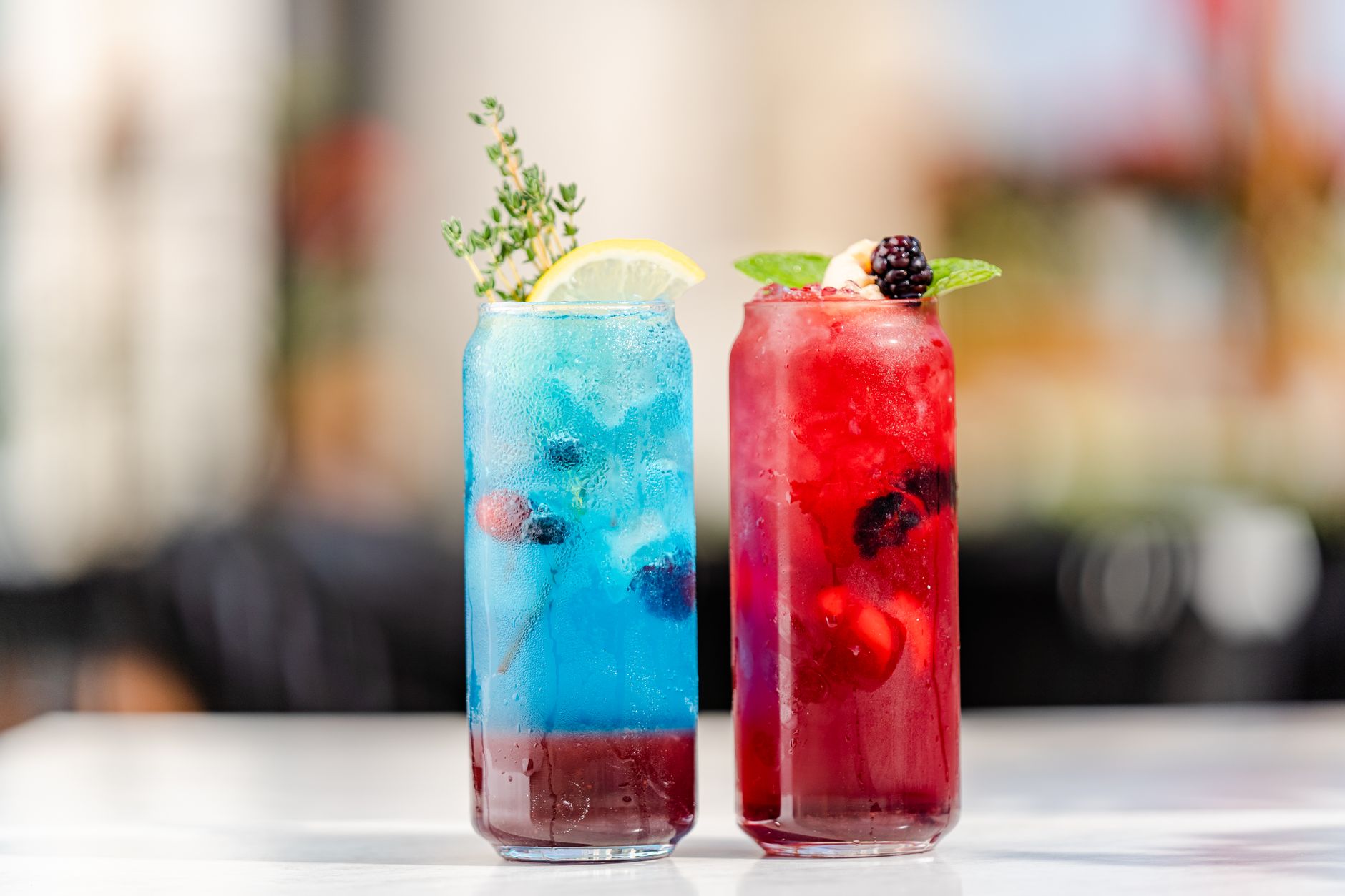
The beverage industry is experiencing a seismic shift as alcohol-free beverages, particularly mocktails, gain unprecedented popularity. This trend, which has been steadily rising for the past several years, reached new heights in mid-2026, with sales of non-alcoholic beverages surging by 27% compared to the previous year, according to market research firm IWSR.
Industry experts attribute this growth to a combination of health consciousness among consumers and an evolving beverage landscape. As millennials and Gen Z prioritize wellness and moderation, traditional alcoholic drinks are being sidelined in favor of creative, flavorful mocktails that provide the social experience without the alcohol.
“People are more mindful of their consumption habits,” said Sarah Thompson, a beverage analyst at IWSR. “The rise of the sober-curious movement has encouraged consumers to seek out options that don’t compromise on taste or experience.”
Restaurants and bars are responding to this demand by expanding their mocktail menus, offering everything from herbal-infused drinks to exotic fruit spritzers. A recent survey by the National Restaurant Association found that 62% of operators reported adding more non-alcoholic options to their drink menus in 2026.
One notable example is the rise of non-alcoholic spirits, which have become a staple in many bars across the country. Brands like Seedlip, Lyre’s, and Ritual are leading the charge, providing bartenders with sophisticated alternatives to traditional spirits. This has allowed for more complex flavor profiles and innovative mixology techniques.
“Mocktails are no longer an afterthought; they are a central part of the bar experience,” said Michael Chen, a bartender at a popular New York City cocktail bar. “Guests are excited about trying new flavors, and we love the challenge of creating something that looks and tastes just as good as a cocktail.”
Retailers have also taken notice, with major grocery chains reporting a steady increase in the sales of non-alcoholic beverages. According to Nielsen data, the non-alcoholic segment is projected to grow to $1.5 billion by the end of 2026. This growth is driven not only by mocktails but also by a range of non-alcoholic beers, wines, and ready-to-drink cocktails.
As the mocktail trend continues to flourish, brands are finding innovative ways to market their products. Social media platforms, particularly Instagram and TikTok, have become essential tools for showcasing vibrant drink creations, with hashtags like #MocktailMonday gaining traction among users.
Looking ahead, the future of mocktails appears bright. Experts predict that the trend will not only continue to grow but will also evolve, incorporating more natural ingredients and unique flavor combinations. “We are just scratching the surface of what’s possible in the alcohol-free space,” said Thompson. “Consumers are hungry for more variety, and the industry is ready to deliver.”