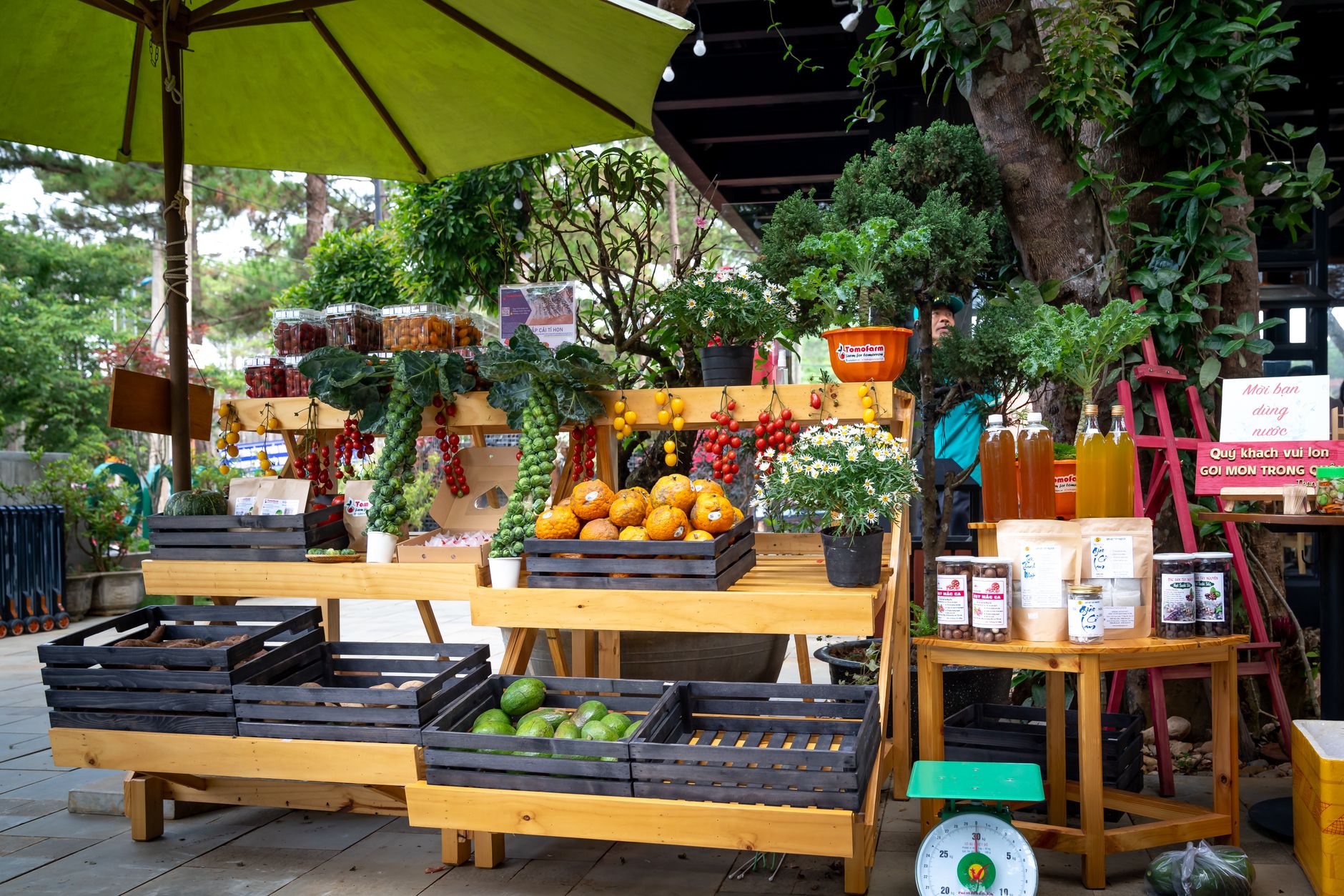
The organic food market has experienced a remarkable surge in 2026, driven primarily by increasing consumer health consciousness and a growing demand for sustainable products. According to a recent report by the Organic Trade Association (OTA), U.S. organic food sales reached $67.6 billion in 2025, marking a 10% increase from the previous year.
This growth trajectory is fueled by heightened awareness of the benefits of organic foods, with 75% of Americans now prioritizing organic options in their grocery shopping, up from 62% in 2022. "Consumers are increasingly seeking products that align with their health values and environmental concerns," said Laura Batcha, CEO of the OTA. "The organic sector is responding to that demand with better availability and variety of products."
One of the most notable trends within the organic segment is the rise of plant-based organic products. Sales of organic plant-based foods have surged by 20% in the past year alone, reflecting a shift in consumer preferences towards healthier, sustainable diets. Market research firm Nielsen projects that by 2028, plant-based organic foods could account for nearly 30% of the total organic market.
Moreover, the COVID-19 pandemic has had a lasting impact on consumer behavior, with many individuals adopting healthier eating habits as a way to enhance their immunity. According to a survey conducted by the Food Marketing Institute, 68% of respondents stated that they are now more conscious about the nutritional quality of their food choices compared to pre-pandemic times.
Retailers are taking notice of these shifts. Major grocery chains have expanded their organic offerings, with Walmart reporting a 15% increase in organic product stock over the last year. “We are committed to making organic food accessible to everyone,” said a spokesperson for the retailer. “Our goal is to provide our customers with quality choices that meet their health and environmental values.”
Online grocery shopping has also played a significant role in the organic food market's growth. E-commerce sales of organic products grew by 28% in 2025, as consumers increasingly turned to online platforms for convenience and variety. This trend is likely to continue, with experts predicting that online sales will surpass in-store purchases by 2027.
Additionally, the demand for organic beverages, particularly organic coffee and tea, has seen substantial growth. Sales in these categories have risen by 18% year-over-year. “Consumers are looking for quality and wellness in their beverage choices, and organic products fit that bill perfectly,” said Mark Hurst, beverage analyst at Mintel.
Despite the promising outlook, challenges remain for the organic food sector. Supply chain disruptions and fluctuating prices for organic inputs continue to pose hurdles for producers. Nevertheless, the overall sentiment in the industry remains optimistic as more consumers choose organic as a core part of their diets.