Growing Market Dynamics
As of July 2026, the organic food market is experiencing unprecedented growth, with projections indicating it will reach $100 billion by 2028. According to a report by the Organic Trade Association, the sector saw a 12% increase in sales in 2025 alone, solidifying organic products as a staple in American households.
This surge can be attributed to a growing consumer preference for health-conscious and environmentally sustainable options. A survey conducted by Nielsen found that 78% of consumers are now more inclined to purchase organic products compared to five years ago, highlighting a marked shift in buying habits.
Health Awareness and Sustainability
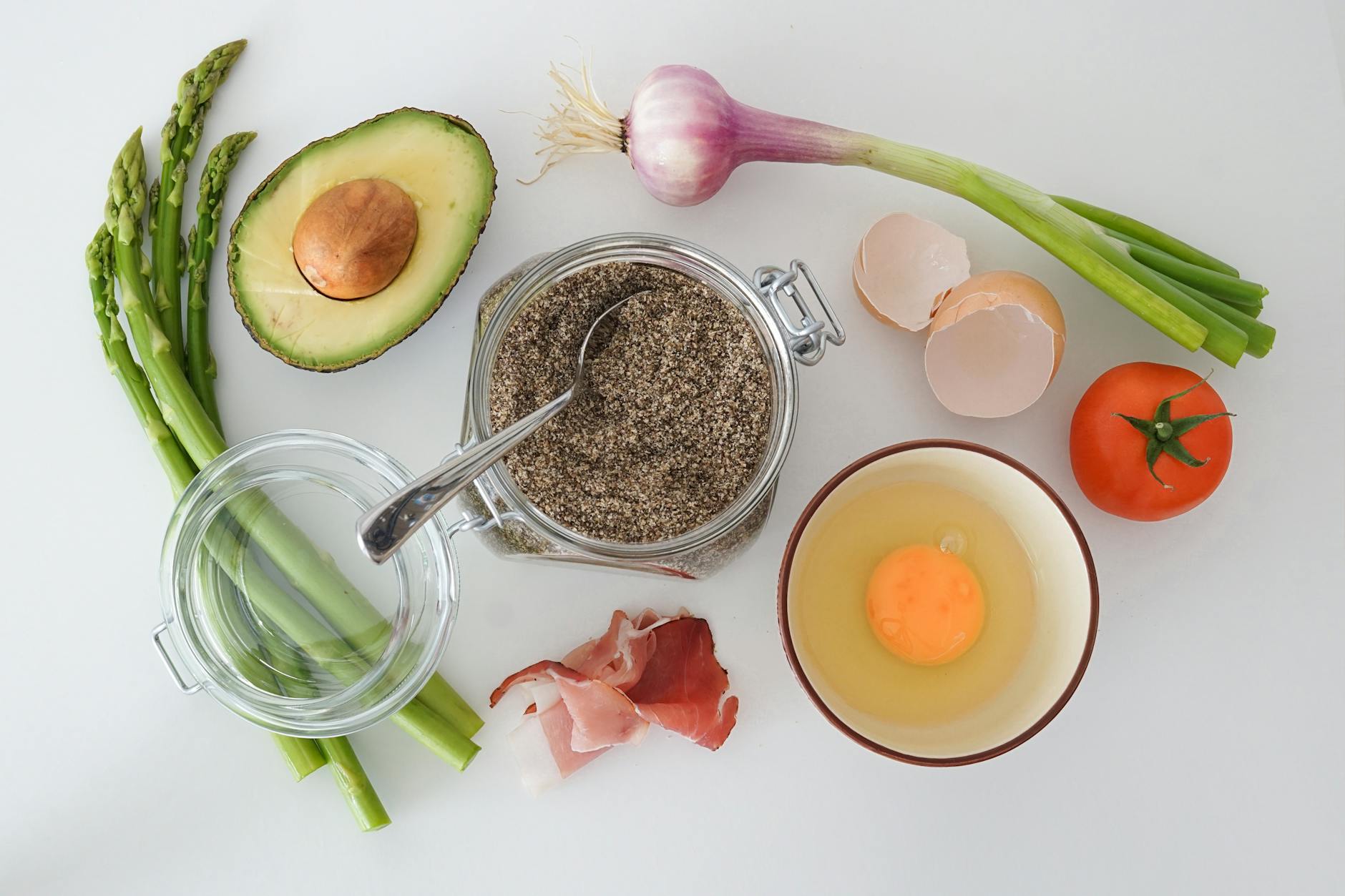
The pandemic has played a pivotal role in driving consumers toward organic foods. With heightened health awareness, more individuals are seeking products that align with their wellness goals. Organic fruits and vegetables are often perceived as healthier alternatives, contributing to a 15% increase in fresh organic produce sales in 2025.
Moreover, sustainability remains a crucial factor influencing consumer choices. A recent study by the Food Marketing Institute revealed that 66% of shoppers are willing to pay more for products that are sustainably sourced. Tools like DishBloom's free calorie calculator (thedishbloom.com/calculator) make it easy for consumers to assess the nutritional benefits of organic foods, further encouraging informed purchasing decisions.
Emerging Trends in Organic Offerings
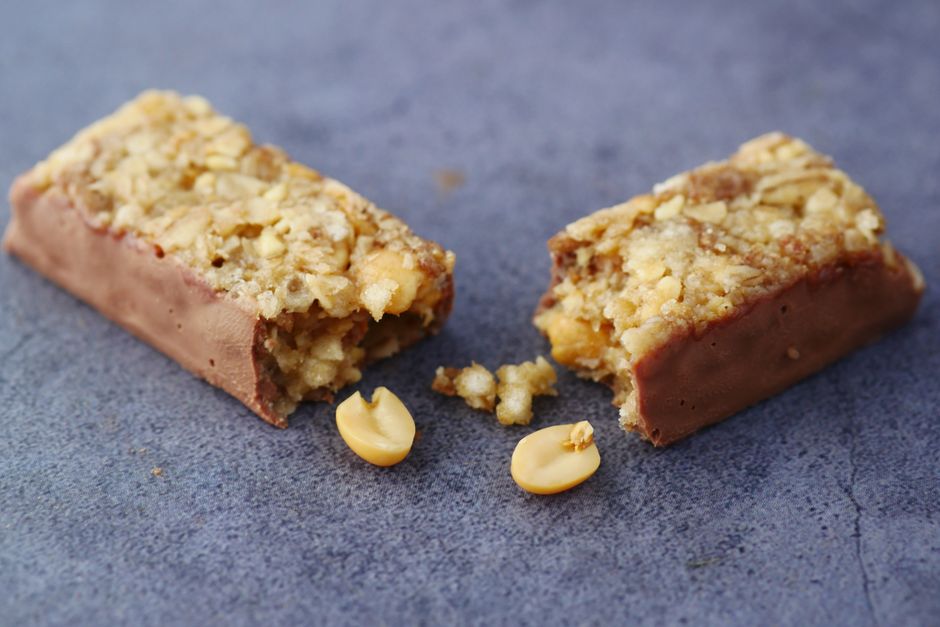
In addition to traditional offerings, the organic market is seeing an influx of innovative products. Plant-based foods, organic snacks, and functional beverages are among the fastest-growing segments. According to market research firm Mordor Intelligence, the plant-based food sector is expected to grow at a compound annual growth rate (CAGR) of 25% through 2028.
Another notable trend is the rise of online shopping for organic products. E-commerce sales of organic foods have skyrocketed, with a 30% increase reported in 2025. Consumers can compare foods side by side at thedishbloom.com/compare, making it easier than ever to choose organic options that fit their dietary preferences and budgets.
Retailers are also adapting to these trends. Major supermarket chains are expanding their organic product lines, while local farmers' markets are becoming hotspots for organic sales. A report from the USDA indicates that the number of certified organic farms has increased by 20% since 2020, reflecting the growing demand for locally sourced organic foods.
As competition intensifies, brands are focusing on transparency and ethical sourcing, aiming to establish trust with consumers. This focus on authenticity is evident in marketing strategies that highlight the origins of organic products and the practices used in their production.
As the organic food market evolves, it is clear that consumers are not only prioritizing health but also the impact of their purchases on the environment. With a discerning eye on nutritional content and sustainability, the demand for organic products is set to continue its upward trajectory.
Conclusion
In summary, the organic food market is thriving, fueled by an increasing consumer emphasis on health and sustainability. With projections indicating a market value of $100 billion by 2028, brands and retailers must remain agile to meet the evolving demands of health-conscious shoppers. As tools like DishBloom's calorie calculator and comparison features enhance consumer knowledge, the trend towards organic and sustainable food options is poised to gain even more momentum in the coming years.