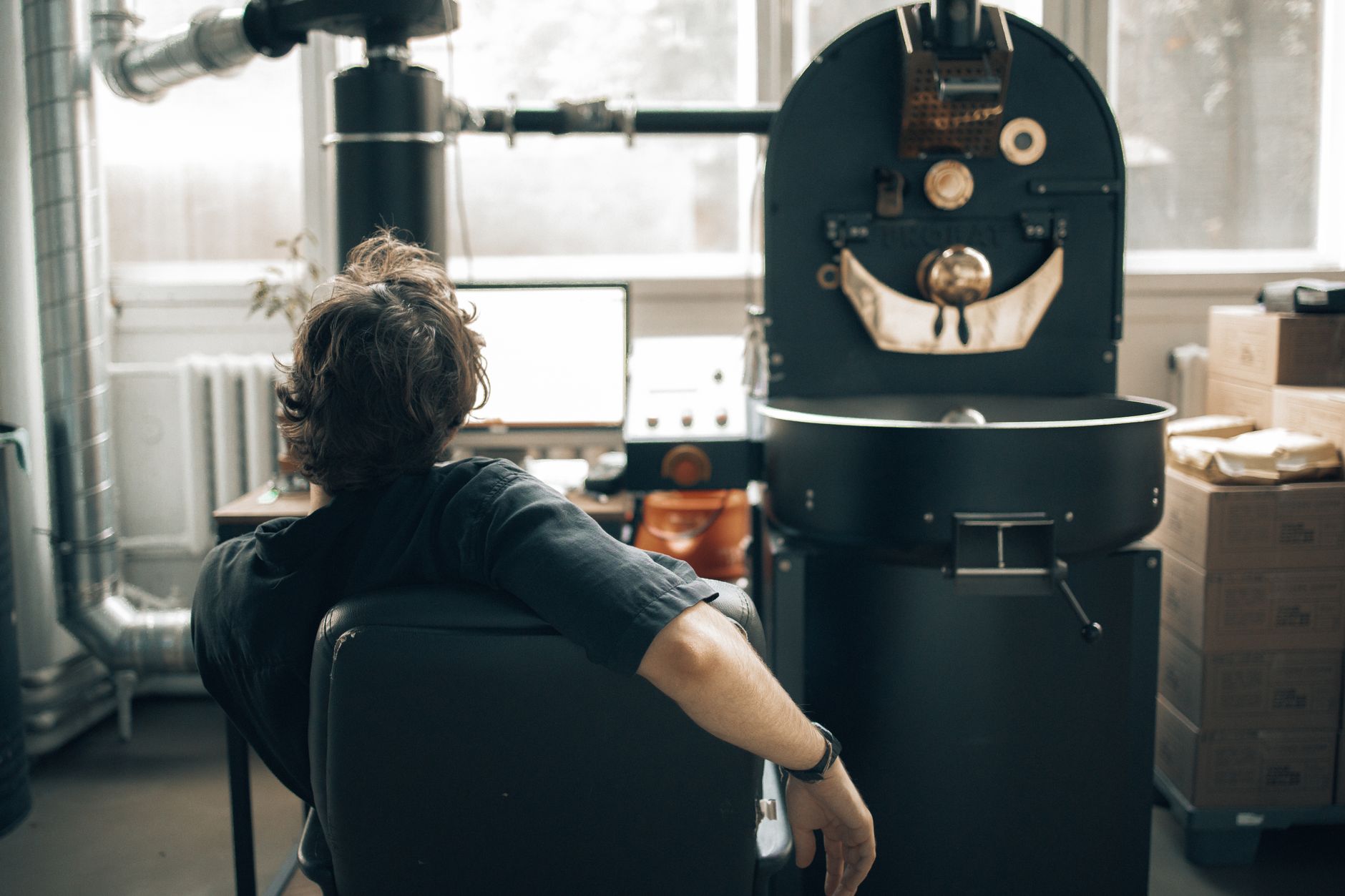
As of July 2026, specialty coffee roasters are experiencing unprecedented growth, driving a notable transformation in coffee culture across the United States. According to the Specialty Coffee Association (SCA), the number of independent specialty cafes has surged by 20% over the past two years, reflecting a growing consumer appreciation for high-quality coffee and artisanal brewing methods.
This trend is not merely a passing fad; it signifies a deeper cultural shift towards a more discerning coffee experience. A recent survey conducted by the National Coffee Association (NCA) found that 60% of coffee drinkers now prefer specialty coffee over traditional options, a significant increase from 45% just three years ago. This shift is accompanied by an increasing demand for transparency in sourcing, with many consumers seeking out roasters that prioritize ethical practices.
"Consumers are becoming more educated about their coffee choices," said Sarah Thompson, a coffee industry analyst at Market Insights. "They want to know where their coffee comes from and how it was produced, and they're willing to pay a premium for quality and sustainability." The average price of a pound of specialty coffee has risen to $18, reflecting this increased consumer willingness to invest in a premium experience.
Additionally, the rise of social media has played a pivotal role in shaping this trend. Instagram and TikTok have become platforms where coffee culture thrives, with hashtags like #SpecialtyCoffee and #CoffeeArt gaining millions of views. Local roasters are leveraging these platforms to showcase their artistry and engage with customers, creating a vibrant community around coffee.
In response to this growing demand, many specialty roasters are innovating their offerings. Companies like Blue Bottle Coffee and Stumptown Coffee Roasters are developing unique blends and single-origin coffees that cater to diverse palates. Meanwhile, smaller roasters are experimenting with limited-edition releases and collaborations, attracting the attention of coffee enthusiasts keen on unique tasting experiences.
"The coffee landscape is evolving, and we are excited to be at the forefront of this movement," said Emily Chang, co-founder of the boutique roaster, Bean & Bloom. "Our focus on sustainability and quality has resonated with consumers, and that is reflected in our sales growth over the past year."
As the specialty coffee market continues to expand, it is also influencing broader trends in the beverage industry. The rise of cold brew and nitro coffee options has brought new consumers into the fold, further diversifying the market. According to market research firm IBISWorld, the specialty coffee market is projected to reach $45 billion by the end of 2027, underscoring its significant impact on the overall coffee industry.
The sustained growth of specialty roasters not only enriches coffee culture but also raises important conversations about sustainability, quality, and consumer preferences. As this trend develops, it promises to keep evolving, shaping the future of how coffee is enjoyed and appreciated.