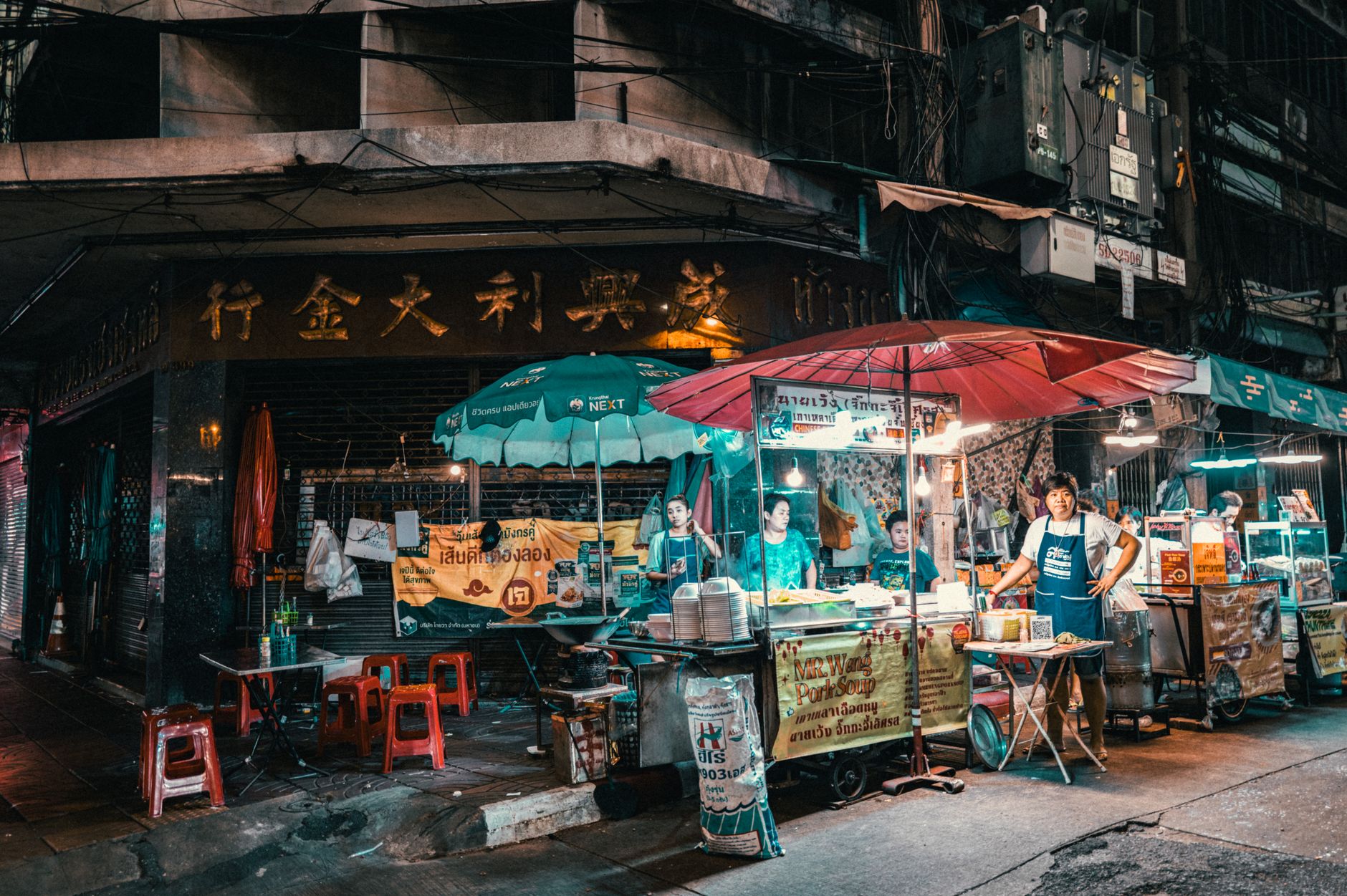
In July 2026, the global street food culture is witnessing an unprecedented renaissance, reshaping urban dining landscapes and reflecting a diverse array of culinary traditions. A recent survey conducted by the International Street Food Association (ISFA) revealed that street food sales have grown by 27% over the past two years, indicating a robust demand for quick, affordable, and flavorful meals.
“Street food is no longer just a late-night snack; it has become a legitimate culinary experience,” said Maria Chen, a food anthropologist at the Culinary Institute of America. “People are seeking authenticity and connection to culture, and street food offers that in a unique way.”
From bustling night markets in Taipei to taco trucks in Los Angeles, street food vendors are increasingly becoming culinary ambassadors. According to the ISFA, street food markets in major cities have expanded by 35% since 2024, with over 1,200 new vendors opening across 40 countries.
In Europe, cities like Lisbon and Berlin have embraced street food as a vital part of their culinary scene. The European Street Food Festival, which draws over 100,000 visitors annually, has seen a 40% increase in attendance since its inception in 2019, showcasing the growing appetite for international flavors.
Meanwhile, in Asia, the demand for street food has led to innovative offerings. In Bangkok, the famed street food stalls are now integrating technology, with many vendors using mobile apps for ordering and payment. This shift is making street food more accessible, particularly to younger consumers.
Data from Statista indicates that the global street food market is projected to reach $200 billion by 2028, up from $150 billion in 2024. This growth underscores the evolving perceptions of street food, which is increasingly viewed as a gourmet experience rather than mere fast food.
“The fusion of traditional recipes with modern techniques is what excites today's diners,” noted chef Ricardo Almeida, who operates a popular food truck in São Paulo. “We’re not just selling food; we’re telling stories.”
Moreover, the rise of social media has propelled street food into the spotlight, with platforms like Instagram and TikTok showcasing vibrant dishes to millions globally. Influencers are flocking to street food scenes, contributing to a digital narrative that elevates local vendors.
As street food continues to thrive, local governments are recognizing its cultural significance and economic potential. Cities around the world are implementing policies to support street vendors, from streamlined permitting processes to dedicated street food zones, fostering a more inclusive culinary environment.
In conclusion, the global street food culture is not just surviving; it is thriving, fueled by a collective appetite for authenticity, innovation, and community. As more people embrace these vibrant culinary experiences, street food is poised to remain a staple in the dining landscape for years to come.