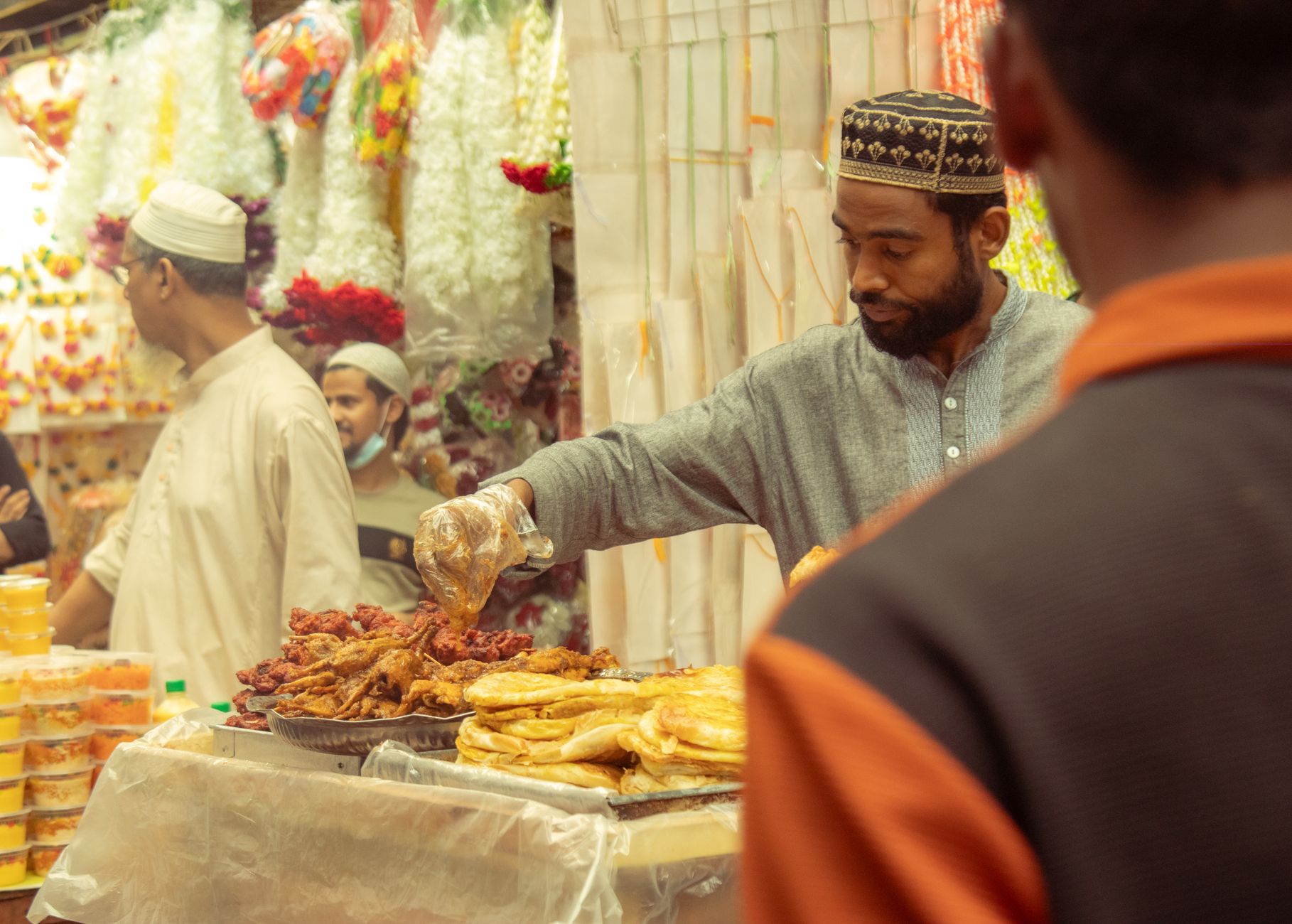
As the world continues to recover from the impacts of the COVID-19 pandemic, street food culture is experiencing a remarkable resurgence. From bustling markets in Bangkok to food trucks in Los Angeles, vendors are finding new ways to engage with consumers and meet evolving tastes.
According to a recent report from the International Street Food Association (ISFA), the global street food market is expected to reach $200 billion by 2028, growing at an annual rate of 10%. This surge is attributed to increased consumer demand for affordable, diverse, and authentic culinary experiences.
“Street food has always been a reflection of local culture and traditions,” says Dr. Amelia Chen, a food sociologist at the University of Gastronomic Sciences. “As people seek connection and comfort in their food choices, street vendors are perfectly positioned to meet that demand.”
In cities like Mexico City, street vendors are innovating by incorporating local flavors into international cuisines. Tacos with Korean BBQ fillings or sushi burritos are just a few examples of hybrid dishes gaining popularity. Sales in these creative food stalls have reportedly increased by 30% in the past year alone.
Moreover, technology has played a pivotal role in this renaissance. Many vendors are leveraging social media platforms and food delivery apps to expand their reach. A study by FoodTech Insights revealed that 65% of street food vendors have adopted digital payment methods since 2024, facilitating quicker transactions and enhancing consumer convenience.
In Europe, the trend of gourmet street food is also rising. The annual European Street Food Awards have seen a record number of entries this year, with over 1,500 vendors from 40 countries competing. “This year’s awards showcase the incredible creativity and resilience of street food entrepreneurs,” stated festival director Marco Fabbri.
Health and sustainability are also prominent themes shaping street food culture. Many vendors are focusing on local sourcing and environmentally friendly packaging. In Singapore, for instance, the government has launched initiatives to encourage hawkers to adopt sustainable practices, with over 50% now using biodegradable containers.
Despite the challenges posed by inflation and rising food costs, street food vendors are finding ways to adapt. “We have to be smart about our prices without compromising quality,” says Maria Lopez, a taco vendor in San Francisco. “Our customers appreciate the authenticity of our food, and they are willing to pay a little more for it.”
As street food continues to evolve, it remains a vital component of urban life, offering not only nourishment but also a sense of community. The future of street food looks bright, with entrepreneurs leading the charge in culinary innovation and cultural exchange.