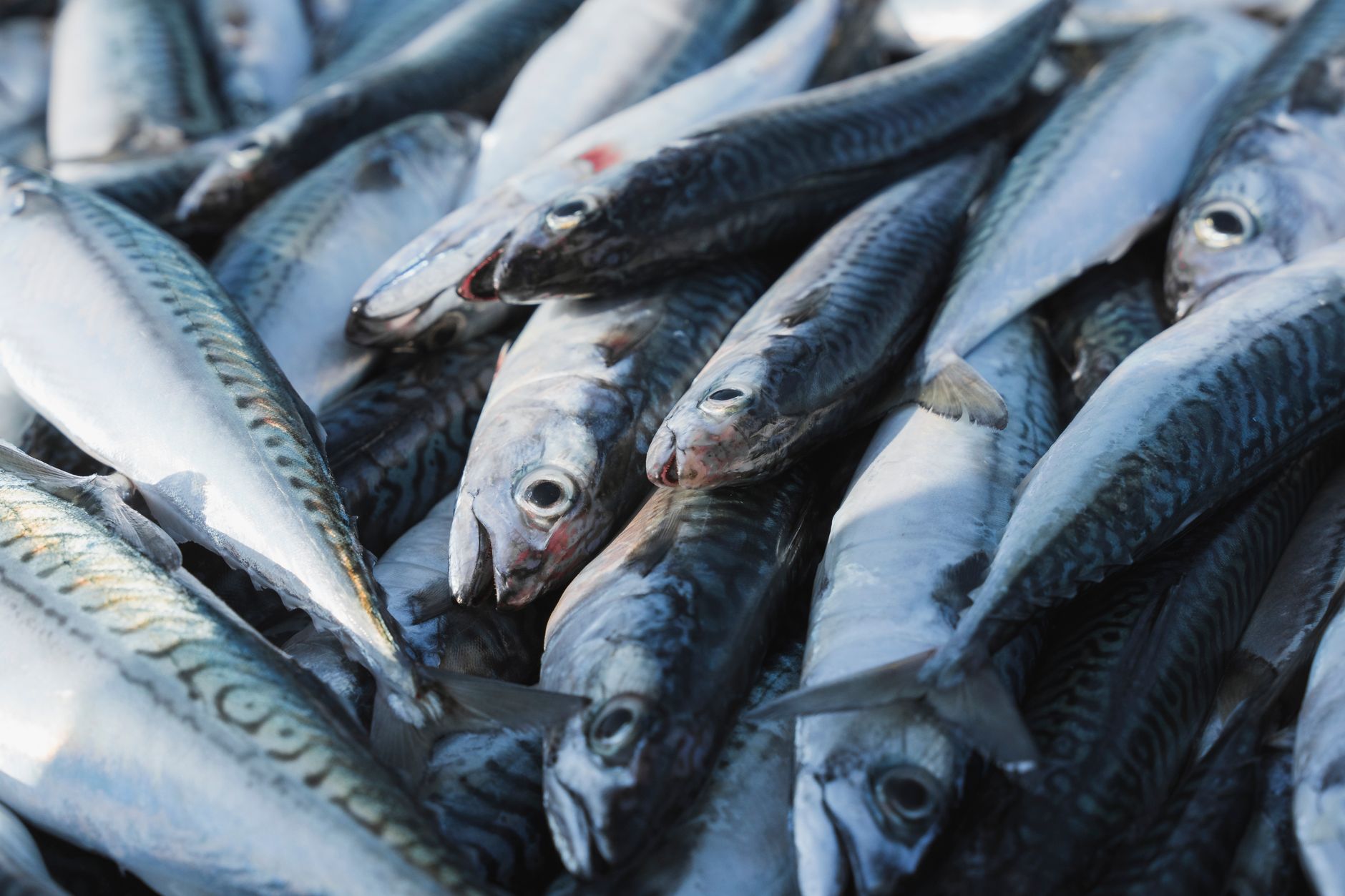
The seafood fishing industry is experiencing a transformative shift towards sustainability, driven by increasing consumer demand and stricter regulations. As of July 2026, data from the Marine Stewardship Council (MSC) indicates that 40% of global wild fisheries are now certified as sustainable, a notable increase from just 30% in 2021.
Industry leaders are responding to calls for more responsible fishing practices. A recent report from the World Wildlife Fund (WWF) highlighted that sustainable seafood sales have surged, reaching $23 billion in 2025, reflecting a 15% annual growth rate. This trend is not just beneficial for the environment; it also aligns with changing consumer preferences.
“Consumers are becoming more informed about the impact of their food choices,” said Dr. Emily Carter, a marine biologist and sustainability expert. “They are actively seeking out products with sustainable certifications, which is encouraging the industry to adopt better practices.”
Innovation in fishing technology is playing a crucial role in this sustainability movement. New methods, such as precision fishing, allow fishers to target specific species while minimizing bycatch. According to the International Council for the Exploration of the Sea (ICES), bycatch rates have decreased by 25% since the introduction of these methods.
Regulatory bodies are also tightening restrictions on overfishing. The European Union recently implemented new policies that require all member states to adhere to sustainable fishing quotas, a move aimed at reversing the decline of fish populations in the North Atlantic. Compliance with these quotas is expected to increase fish stocks by an estimated 40% by 2030.
However, the transition to sustainable practices is not without challenges. Small-scale fishers often lack the resources to implement new technologies or obtain certifications. To address this disparity, several non-profit organizations are providing financial and technical support to these communities, ensuring they are not left behind in the sustainability movement.
“We believe that sustainability and profitability can go hand-in-hand,” stated Jorge Ramirez, director of the nonprofit Seafood for All. “By empowering small fishers, we are not only protecting marine ecosystems but also supporting local economies.”
As the seafood fishing industry continues to evolve, stakeholders are recognizing that sustainability is no longer a niche concern but a fundamental aspect of business strategy. With consumers, regulators, and environmental advocates increasingly aligned, the future of seafood fishing appears to be heading toward a more sustainable and responsible model.