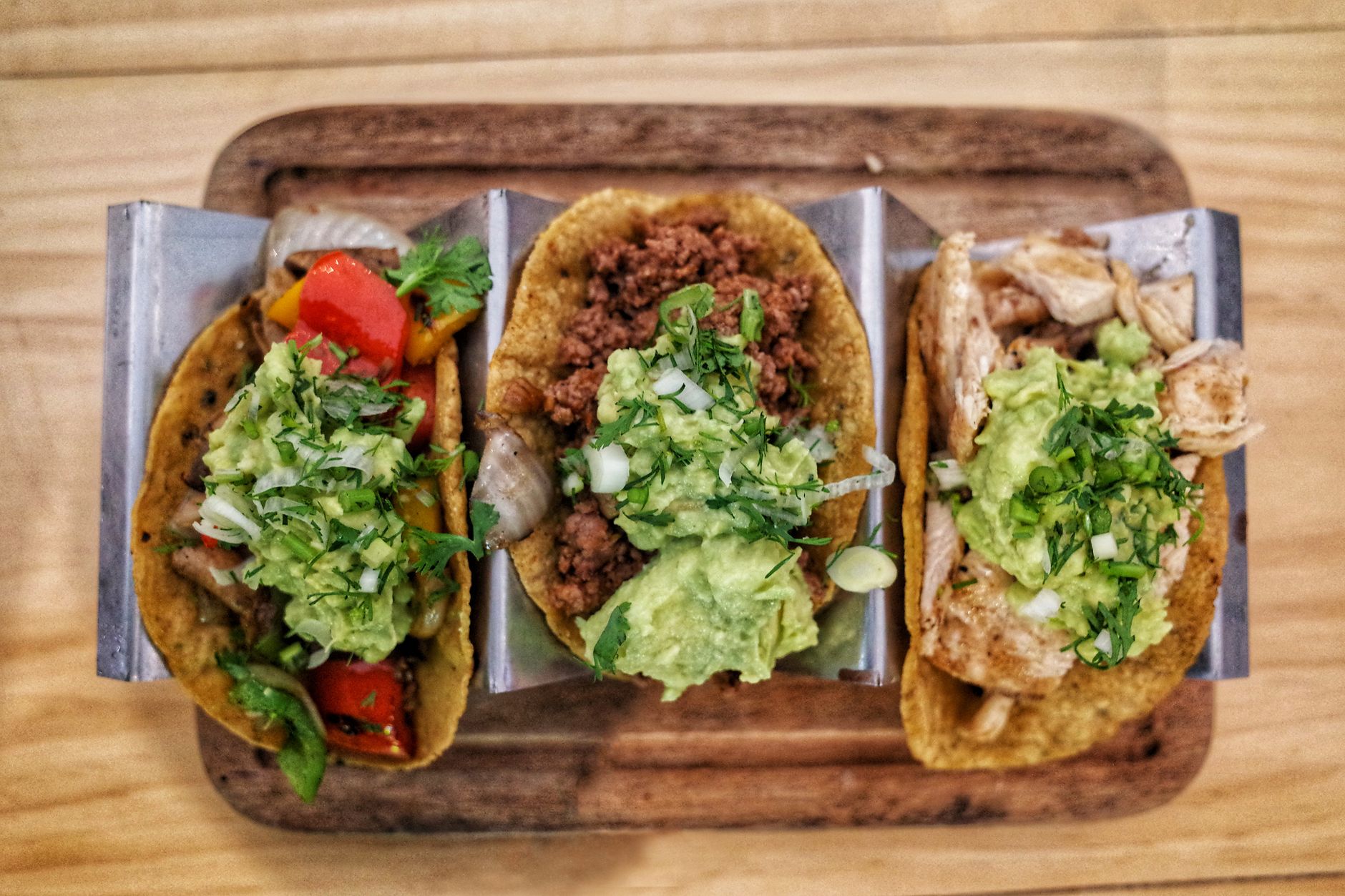
The Mexican food taco industry is witnessing remarkable growth as consumer preferences shift towards authentic and convenient dining options. According to a recent report by the National Restaurant Association, taco sales in the United States increased by 12% from 2025, reaching an estimated $12 billion in revenue.
This growth trajectory reflects a broader trend within the Mexican food sector, which has seen a 9% increase overall in the same period. The rise in taco consumption can be attributed to several factors, including the popularity of food trucks, fast-casual dining, and a growing appetite for diverse flavors among millennials and Gen Z consumers.
“Tacos are more than just a meal; they represent a cultural experience,” says Maria Gonzalez, a culinary expert and author of the upcoming book 'Taco Culture: A Culinary Journey.' “As people seek authenticity and convenience, the taco stands out as a versatile option that can cater to various tastes and preferences.”
Restaurants and food establishments are capitalizing on this trend by introducing innovative taco recipes and fusion flavors. From Korean BBQ tacos to vegan jackfruit options, the variety is expanding, appealing to health-conscious diners and adventurous eaters alike.
Market research firm Technomic reports that 68% of consumers actively seek out new taco flavors, driving establishments to experiment with ingredients and presentation. “The traditional taco is evolving, and consumers are excited about trying new combinations that reflect global influences,” said Kevin McCarthy, a Technomic analyst.
In addition to flavor innovation, the taco industry's growth is also supported by a surge in digital ordering and delivery services. With 32% of taco sales now occurring via online platforms, convenience plays a significant role in attracting customers. Many restaurants are enhancing their online presence and delivery options to keep pace with this demand.
Moreover, the taco's adaptability makes it a prime candidate for various dietary preferences, including gluten-free and plant-based options, further broadening its appeal. As health trends continue to shape consumer choices, the taco's flexibility allows it to remain relevant and appealing.
As the taco industry continues to thrive, experts predict that this trend will only accelerate. With an anticipated annual growth rate of 10% over the next five years, the taco segment is set to redefine the landscape of casual dining.
In conclusion, the taco has become a staple in the American culinary scene, and its growth is a testament to the evolving tastes of consumers. As restaurants adapt to these changes, the taco will likely remain at the forefront of the Mexican food industry.