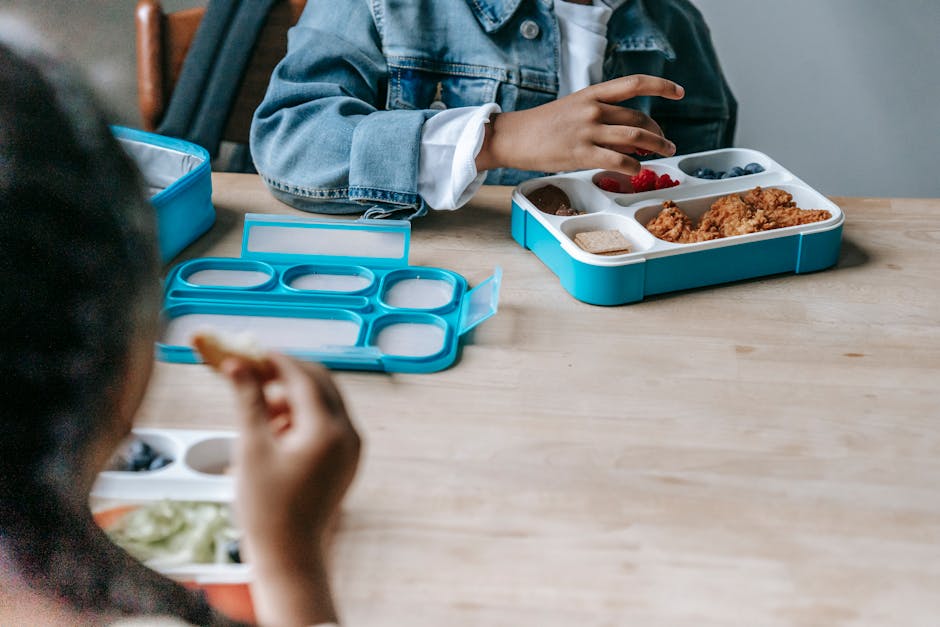
As of July 2026, American schools are witnessing a significant transformation in their lunch programs, driven by new nutrition standards that prioritize student health and well-being. With rising concerns about childhood obesity and related health issues, initiatives are underway to revamp school meals across the nation.
The U.S. Department of Agriculture (USDA) has implemented new guidelines that require schools to offer more fruits, vegetables, and whole grains while reducing sodium and added sugars. According to the USDA, 85% of schools have reported compliance with these standards, up from 65% in 2023.
One notable example of this shift is the partnership between the USDA and major food suppliers like Sodexo and Aramark. These companies have committed to provide healthier, more diverse meal options at competitive prices. For instance, a typical school lunch now costs around $3.50 USD (approximately £2.80 GBP), which includes a fresh salad, a whole grain wrap, and a fruit cup.
Parents and educators are seeing positive changes as well. A recent survey by the National School Nutrition Association (NSNA) indicated that 70% of parents feel more confident in the nutritional quality of school lunches. Students have also responded positively, with a 40% increase in meal participation reported in schools that have adopted the new menus.
Popular brands such as Annie's Homegrown and Horizon Organic have joined the movement, offering organic and locally sourced products for school lunches. This shift not only improves nutrition but also supports local farmers and reduces carbon footprints associated with food transportation.
In addition to these partnerships, schools are integrating nutrition education into their curriculums. Programs like "Fuel Up to Play 60" encourage students to make healthier choices both in and out of the cafeteria. Schools report that when children understand the benefits of nutrition, they are more likely to eat the meals provided.
However, challenges remain. Some districts struggle with budget constraints, as healthier ingredients can be more expensive. For example, while a conventional pizza slice might cost $1.50 USD (£1.20 GBP), a whole grain pizza made with fresh vegetables can rise to $2.25 USD (£1.80 GBP). Despite these costs, many districts are finding ways to secure grants and funding to support their initiatives.
As the school year approaches, the focus on nutrition is expected to continue evolving. Schools are also looking to incorporate more plant-based options, inspired by the growing demand for vegetarian and vegan meals. Experts predict that by 2028, at least 30% of school lunches will be plant-based, meeting both dietary preferences and sustainability goals.
The improvements in American school lunches represent a significant step towards fostering healthier future generations. With continued emphasis on nutrition and education, the hope is that students will carry these lessons into adulthood, leading to a healthier society overall.