In July 2026, the UK government announced significant updates to its obesity strategy, aiming to curb an escalating public health crisis. Recent data reveals that 28% of adults in the UK are classified as obese, a figure projected to rise unless decisive action is taken.
The revised strategy includes a comprehensive approach focusing on nutrition education, food marketing regulations, and public health campaigns. The Department of Health and Social Care (DHSC) reported that childhood obesity rates have also climbed to 20%, prompting a renewed emphasis on early intervention.
One of the most significant developments is the introduction of a sugar tax on soft drinks, which has now expanded to include a wider range of sugary snacks. Industry leaders estimate that this tax could raise over £500 million ($650 million) annually, funds earmarked for health promotion initiatives and community fitness programs.
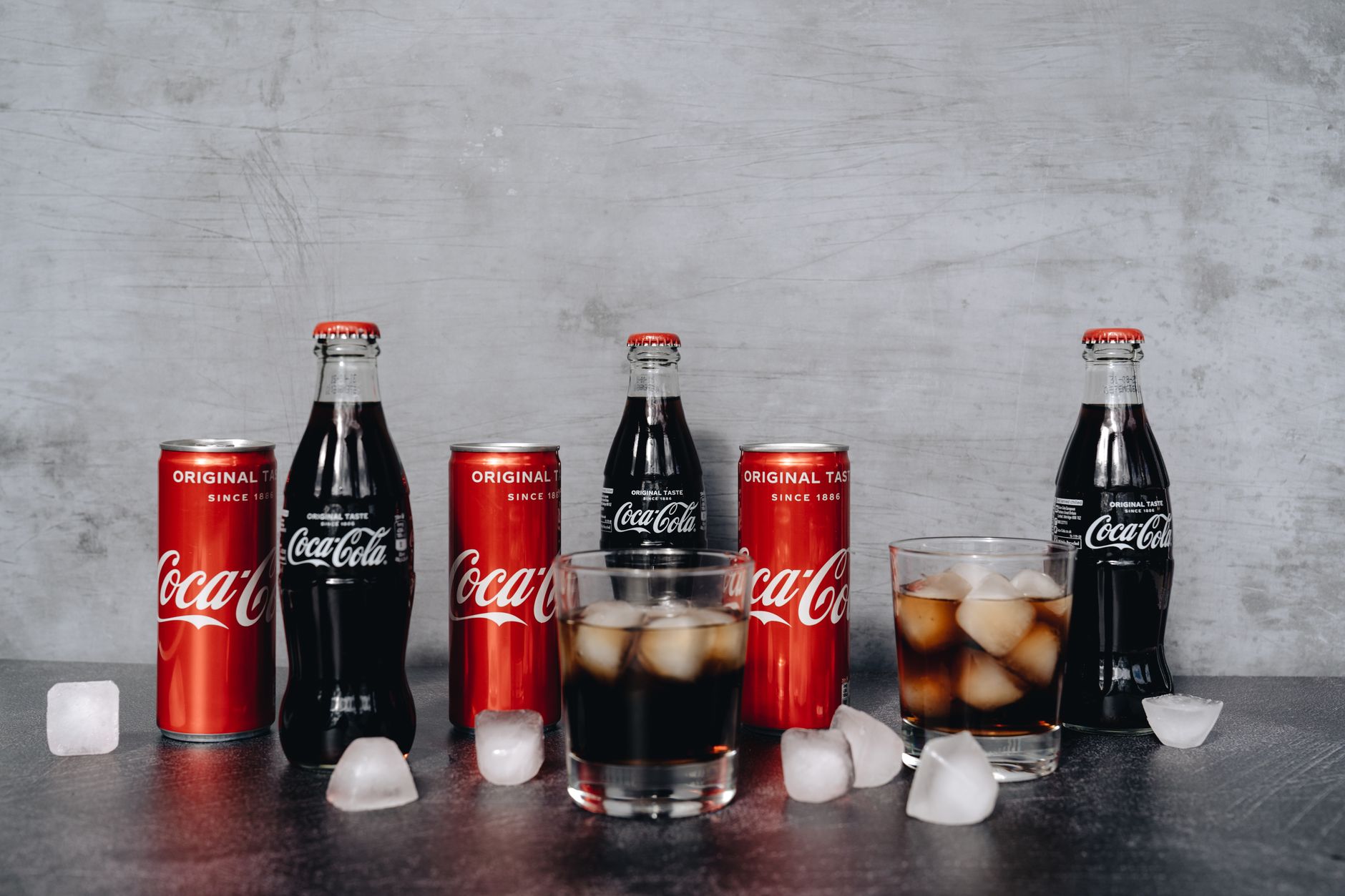
Major brands such as Coca-Cola and PepsiCo have already adjusted their product lines in response to the sugar tax. They are now promoting lower-sugar and sugar-free alternatives, with Coca-Cola Zero Sugar becoming a bestseller, priced at £1.20 ($1.55) per can. Meanwhile, Pepsi has launched its new “Pepsi Zero Sugar” variant, gaining traction among health-conscious consumers.
In addition to taxation, the government is imposing stricter regulations on food advertising. As of July 2026, ads for high-fat, high-sugar products will be banned during children's programming and on platforms popular with younger audiences, including social media. This move aims to reduce the exposure of children to unhealthy food marketing, with experts suggesting it could lead to a significant decrease in unhealthy eating habits.
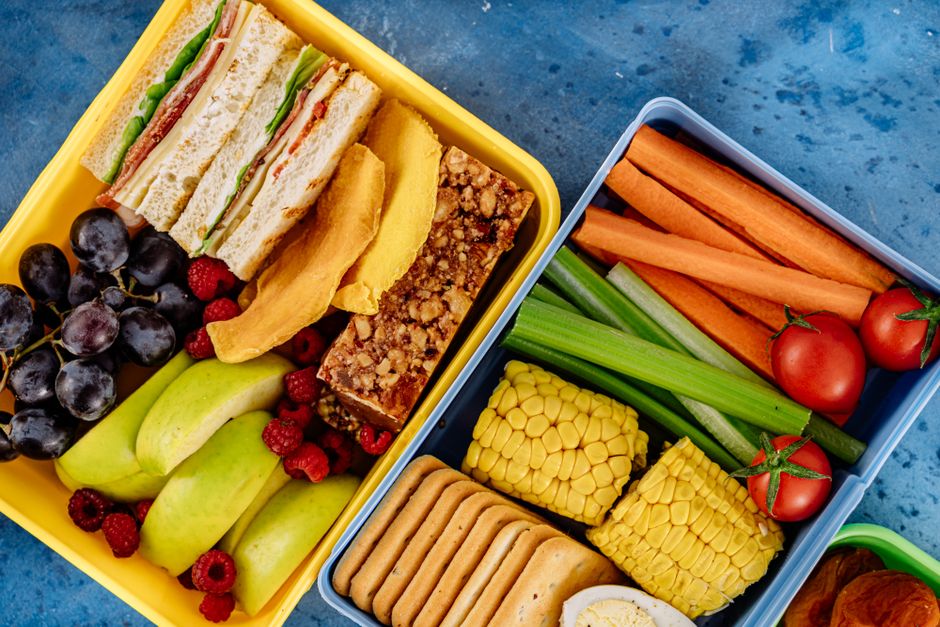
Public health campaigns are also evolving. The latest initiative, dubbed “Healthy Choices,” encourages families to incorporate more fruits and vegetables into their diets. The campaign features partnerships with local farmers' markets, where families can access fresh produce at subsidized prices. For example, a recent collaboration allowed families to purchase organic apples at £1.50 ($1.95) per kilogram, compared to the retail price of £3.00 ($3.90).
Health experts have welcomed these changes but warn that the success of the strategy hinges on public buy-in and long-term commitment from both the government and food industry stakeholders. Professor Sarah Johnson from the University of Leeds stated, “While these measures are a step in the right direction, sustainable change requires ongoing education and support from the community.”
As the UK grapples with rising obesity rates, the latest developments in its obesity strategy represent a critical juncture. With a focus on education, regulation, and community engagement, the government aims to foster a healthier future for its citizens.