The UK government's ongoing battle against obesity has taken a new turn with the latest updates to its obesity strategy, aimed at tackling rising weight-related health issues.
In July 2026, the Department of Health and Social Care (DHSC) announced a series of measures designed to reduce obesity rates by 2030. The strategy focuses on regulating food advertising, reformulating unhealthy products, and promoting healthier eating habits among the population.
According to recent statistics, approximately 28% of adults in the UK are classified as obese, a statistic that has remained stubbornly high despite previous initiatives. In a bid to reverse this trend, the government plans to implement stricter advertising regulations for unhealthy food products, especially those targeting children. The new rules will prohibit TV and online ads for junk food before 9 PM, a move aimed at curbing exposure to unhealthy food options.
Food manufacturers are already feeling the impact of these developments. Major brands like Nestlé and Unilever are reformulating products to meet new nutritional standards. Nestlé's popular chocolate bar, the KitKat, has undergone a significant reduction in sugar content, now containing 20% less sugar than its previous version. This reformulation aligns with the government's push to encourage healthier choices among consumers.
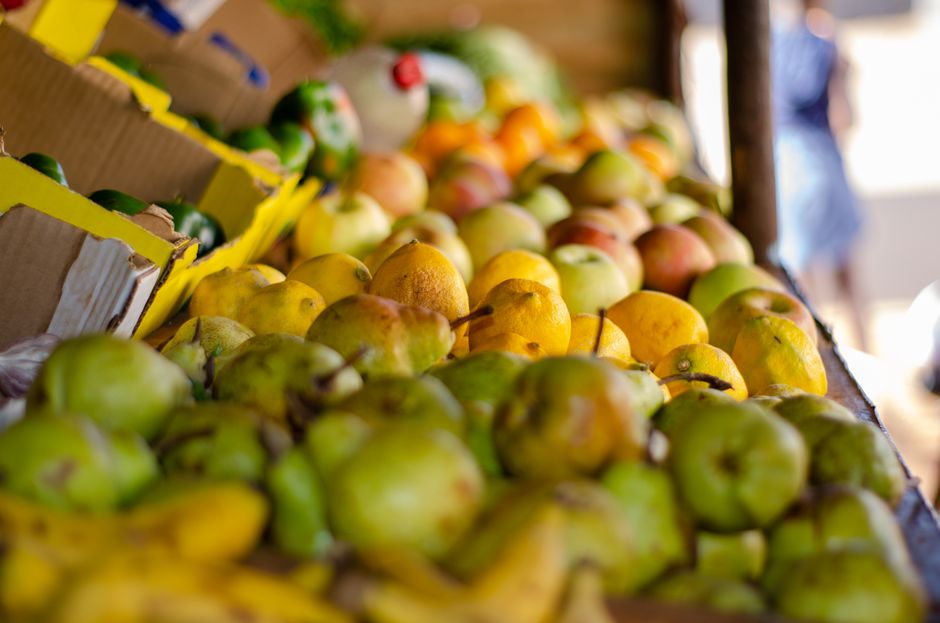
In the retail sector, the price of healthier food options is also under scrutiny. The average price of fresh fruits and vegetables has increased by 10% in the last year, with a typical 1 kg bag of apples now costing around £2.50 ($3.25). In contrast, the price of processed snacks continues to decline, raising concerns about the affordability of healthy eating.
Public health experts have praised the government's renewed focus on obesity but urge for more comprehensive measures. Dr. Sarah Williams, a leading nutritionist, stated, "While these steps are commendable, we need to see more emphasis on public education regarding nutrition and exercise. The current approach seems reactive rather than proactive."
The government has also launched a campaign entitled “Healthy Choices, Healthy Lives,” which encourages families to engage in physical activities together. Initial reports indicate that participation in community sports programs has increased by 15% since the campaign's launch.
As part of the strategy, the government is investing an additional £50 million ($65 million) into local councils to promote healthy eating initiatives and physical activity programs in schools. This funding aims to create a lasting change in consumer behavior, making healthy choices more accessible to every demographic.
Despite these positive steps, challenges remain. The UK's obesity crisis has far-reaching implications for health services, with obesity-related conditions costing the National Health Service (NHS) an estimated £6.1 billion ($8 billion) annually. The government faces a daunting task in balancing public health with consumer freedom and industry interests.
As the obesity strategy unfolds, its effectiveness will be closely monitored, with the hope that these new measures will lead to a healthier future for the people of the UK.