In July 2026, a series of groundbreaking studies have intensified the debate surrounding ultra-processed foods (UPFs), revealing alarming correlations between their consumption and various health issues. Researchers from the University of Oxford published findings indicating that individuals consuming high levels of UPFs are 25% more likely to develop chronic diseases such as obesity, diabetes, and heart disease compared to those who eat minimally processed foods.
The term 'ultra-processed' applies to foods that have been significantly altered from their original form through the addition of artificial ingredients, preservatives, and flavor enhancers. Common examples include popular brands like Nestlé's Maggi noodles, Kraft's macaroni and cheese, and PepsiCo's Doritos. These products often contain high levels of sugar, salt, and unhealthy fats, making them both convenient and addictive.
A study published in The Lancet revealed that, on average, Americans consume about 60% of their daily calories from UPFs, while in the UK, this figure stands at approximately 50%. The financial implications are staggering, with the average American spending around $1,200 annually on ultra-processed snacks and meals. In the UK, the annual expenditure is estimated at £900, raising questions about the affordability of healthier options.
Dr. Emily Carter, a lead researcher involved in the studies, emphasized the importance of dietary choices in public health. “Our findings suggest a direct link between ultra-processed food consumption and an increase in health care costs. If we don’t address this issue, we could be facing a healthcare crisis,” she stated during a recent press conference.
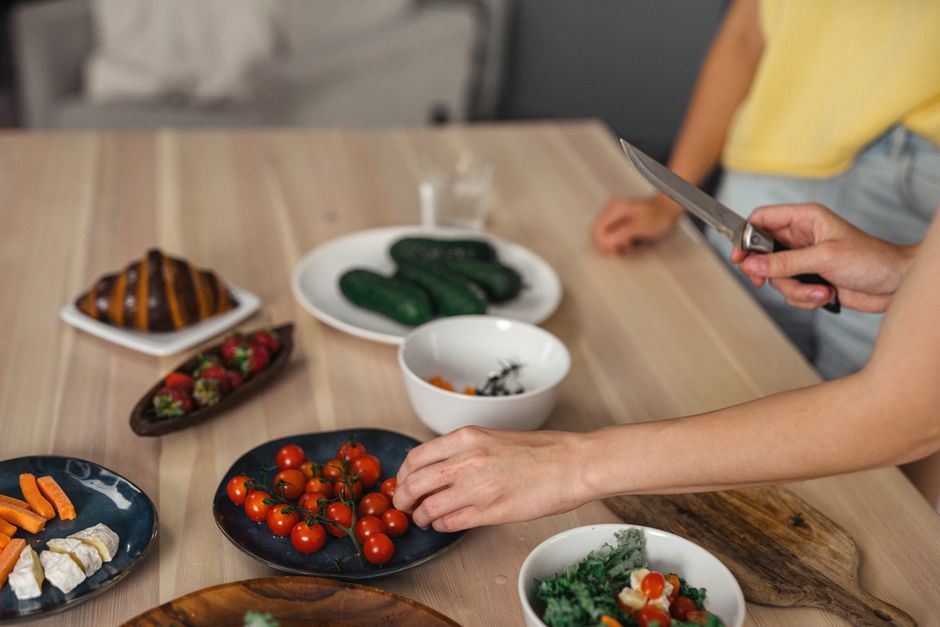
In response to these alarming findings, health experts are urging consumers to re-evaluate their eating habits. Organizations like the World Health Organization (WHO) recommend increasing the intake of whole foods—fruits, vegetables, and grains—while minimizing consumption of processed products.
Meanwhile, brands are beginning to respond. Tesco has launched a new line of minimally processed foods under its “Fresh Choices” label, aiming to provide healthier alternatives at a competitive price point. The chain reports that sales of these items have increased by 30% since their debut, indicating a growing demand for nutritious options.
As consumers become more aware of the potential risks associated with ultra-processed foods, the industry may need to adapt to this shift. With the current trend towards healthier eating, brands that emphasize transparency and nutrition are likely to thrive in the evolving market.
Ultimately, the latest studies make it clear: the health ramifications of ultra-processed foods cannot be ignored. As more people begin to prioritize their well-being, the call for action against UPFs grows louder.