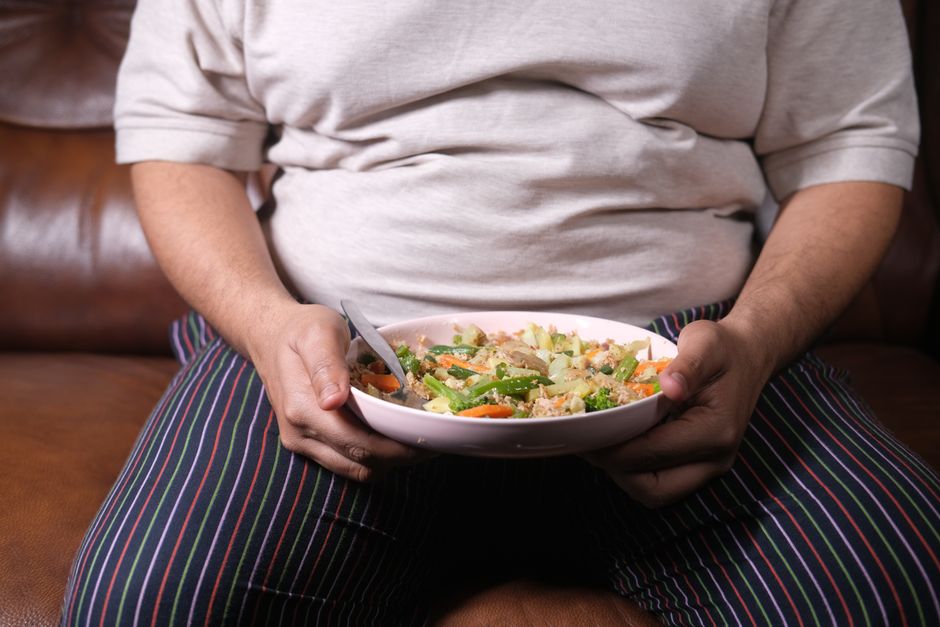
As of July 2026, the latest statistics from the Centers for Disease Control and Prevention (CDC) indicate that obesity rates in the United States have reached an all-time high of 42.4%. This figure marks a significant increase from 39.6% reported in 2020, highlighting a troubling trend that has implications for public health and the food industry.
Experts attribute the rise in obesity rates to various factors, including sedentary lifestyles, high-calorie diets, and the ongoing economic pressures on American households. With the average cost of groceries rising 15% over the past two years, many families are turning to cheaper, calorie-dense options. For instance, a 32-ounce bottle of Hidden Valley Ranch dressing has surged to approximately $4.99, while a box of General Mills Cheerios now retails for around $3.79.
In an analysis of consumer behavior, the NielsenIQ report reveals that sales of frozen pizzas, a popular convenience food, have skyrocketed by 25% since 2024, reflecting a shift toward quick and easy meal solutions. Brands like DiGiorno and Tombstone have seen their market shares expand, with DiGiorno's rising prices—now averaging $7.99 per pizza—demonstrating the increasing demand for such products.
Moreover, the CDC report highlights that obesity rates are particularly pronounced among specific demographics. For example, adult obesity rates among Hispanic and African American populations are significantly higher, at 50.9% and 49.6%, respectively. These disparities raise concerns about the accessibility of healthier food options in underserved communities.
Nutritionists warn that the implications of rising obesity rates extend beyond aesthetics. Increased obesity is linked to a higher risk of chronic diseases such as diabetes, heart disease, and certain types of cancer. Dr. Sarah Thompson, a leading nutrition expert, stated, “The current trends indicate we are facing a public health crisis unless we take immediate action to promote healthier eating and active living.”
In response to these challenges, some food brands are stepping up their efforts to provide healthier options. Companies like Beyond Meat and Impossible Foods are gaining traction as more consumers seek plant-based alternatives. Beyond Meat's burgers have become a staple in many households, priced at about $5.99 for a two-patty pack, offering a healthier option compared to traditional beef patties.
Meanwhile, government initiatives aimed at combating obesity are gaining momentum. The Biden administration has introduced programs to subsidize fresh produce in low-income neighborhoods, aiming to make healthier food more accessible. However, critics argue that without addressing the systemic issues causing food deserts and the overall cost of living, these programs may fall short.
As the nation grapples with these alarming obesity trends, it is evident that both individual choices and systemic changes are needed to reverse the tide. Health experts continue to advocate for greater awareness and education about nutrition while pushing for policy reforms that address food equity.