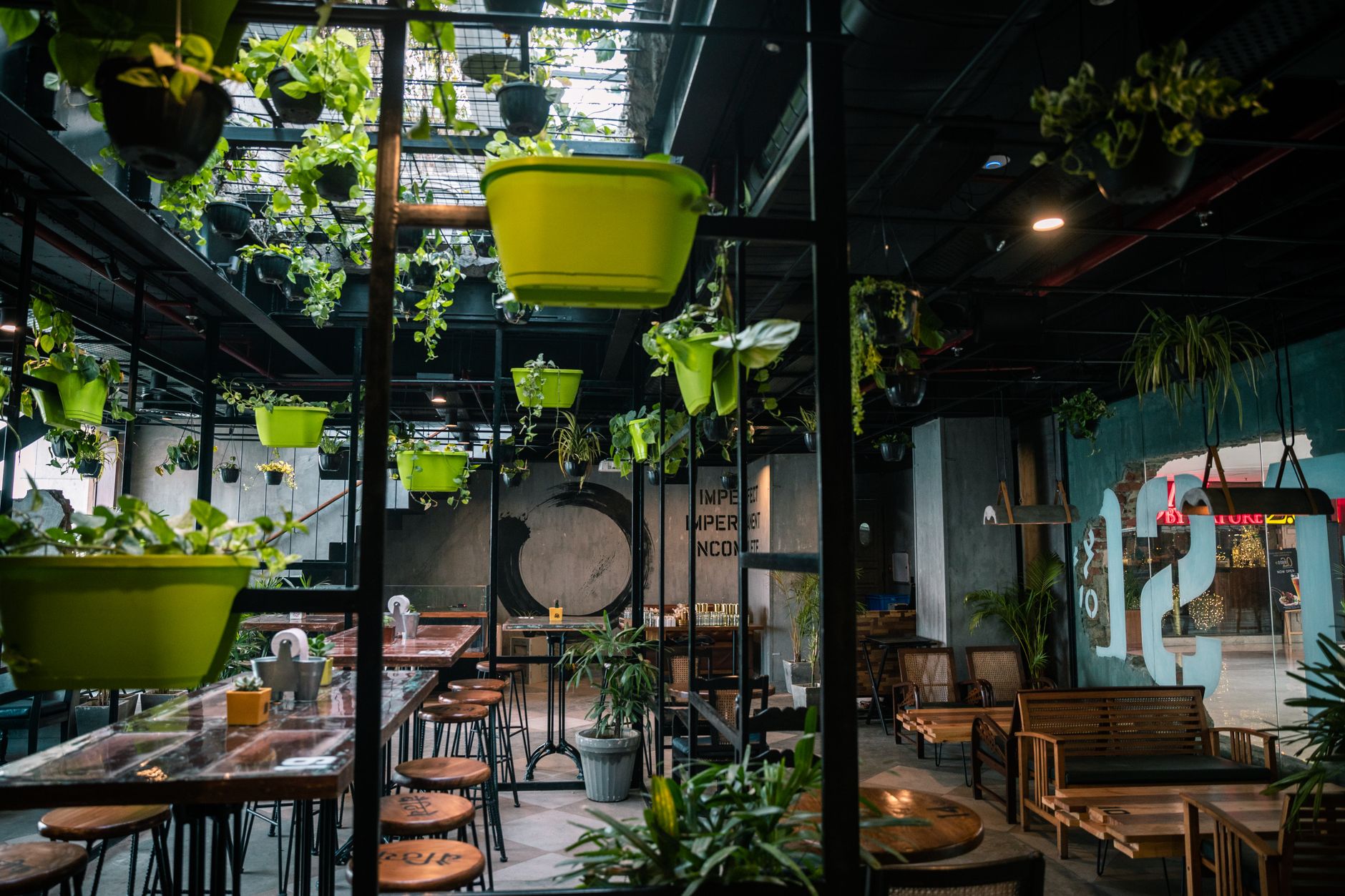
Sustainability Takes Center Stage
As we reach the midway point of 2026, the restaurant industry is witnessing a significant shift towards sustainability. A recent survey conducted by the National Restaurant Association revealed that 67% of consumers now prefer dining at establishments that prioritize eco-friendly practices. This trend is reshaping menus and operational strategies across the country.
Many restaurants are adopting farm-to-table models, sourcing ingredients locally to reduce carbon footprints. Additionally, establishments are increasingly opting for sustainable packaging and utensils, with a reported 45% of diners willing to pay extra for meals served in environmentally-friendly materials.
Technology Enhancements Revolutionizing Operations
In conjunction with sustainability, technology is transforming how restaurants operate. Point-of-sale systems are now integrated with inventory management tools, allowing for real-time tracking of supplies and reducing waste. According to industry experts, these advancements can lead to savings of up to 30% in food costs.
Furthermore, the rise of artificial intelligence in customer service is becoming more prevalent. Many restaurants are implementing AI chatbots to handle reservations and answer customer inquiries, which has improved efficiency and customer satisfaction. A recent report highlighted that establishments using AI technology reported a 20% increase in overall customer engagement.
Health Consciousness Drives Menu Innovation
Another notable trend is the increasing health consciousness among diners. According to a survey by Food Industry Association, 72% of consumers are actively seeking healthier dining options. This shift has prompted restaurants to innovate their menus significantly, featuring more plant-based dishes and transparent calorie counts.
Tools like DishBloom's free calorie calculator (thedishbloom.com/calculator) make it easy for restaurant owners to analyze and promote their menu items' nutritional value. Diners can now make informed choices, enhancing their overall dining experience.
Moreover, the trend towards transparency extends to ingredient sourcing. Restaurants are now required to disclose not only calorie counts but also sourcing practices for their ingredients. Consumers can compare foods side by side at thedishbloom.com/compare, ensuring they choose options that align with their health goals.
Emphasizing the Experience
As competition intensifies, many restaurants are focusing on enhancing the overall dining experience. This includes not just the food but also the ambiance and customer service. The trend has led to an increase in experiential dining, where themes, live entertainment, and unique culinary experiences take precedence.
According to a recent report by Technomic, 58% of diners are willing to pay more for a memorable dining experience. Restaurants that successfully integrate ambiance with high-quality food are likely to prosper in this competitive landscape.
The Future of Dining
In a world increasingly driven by technology and environmental awareness, the restaurant industry is evolving to meet the demands of conscientious consumers. The trends observed in 2026 reflect a broader societal shift towards sustainability, health, and enhanced customer experiences.
As these trends continue to develop, industry leaders must remain agile and responsive to consumer preferences. By embracing sustainable practices, leveraging technology, and prioritizing health, restaurants can thrive in this new era.
Bottom Line
The restaurant industry is currently navigating a transformative period marked by a strong focus on sustainability, technological innovation, and health-conscious menu options. With 67% of consumers preferring eco-friendly establishments and a growing demand for healthier choices, restaurants must adapt to stay relevant. Utilizing resources such as DishBloom’s tools can facilitate this transition, helping restaurants meet consumer expectations while optimizing operations.