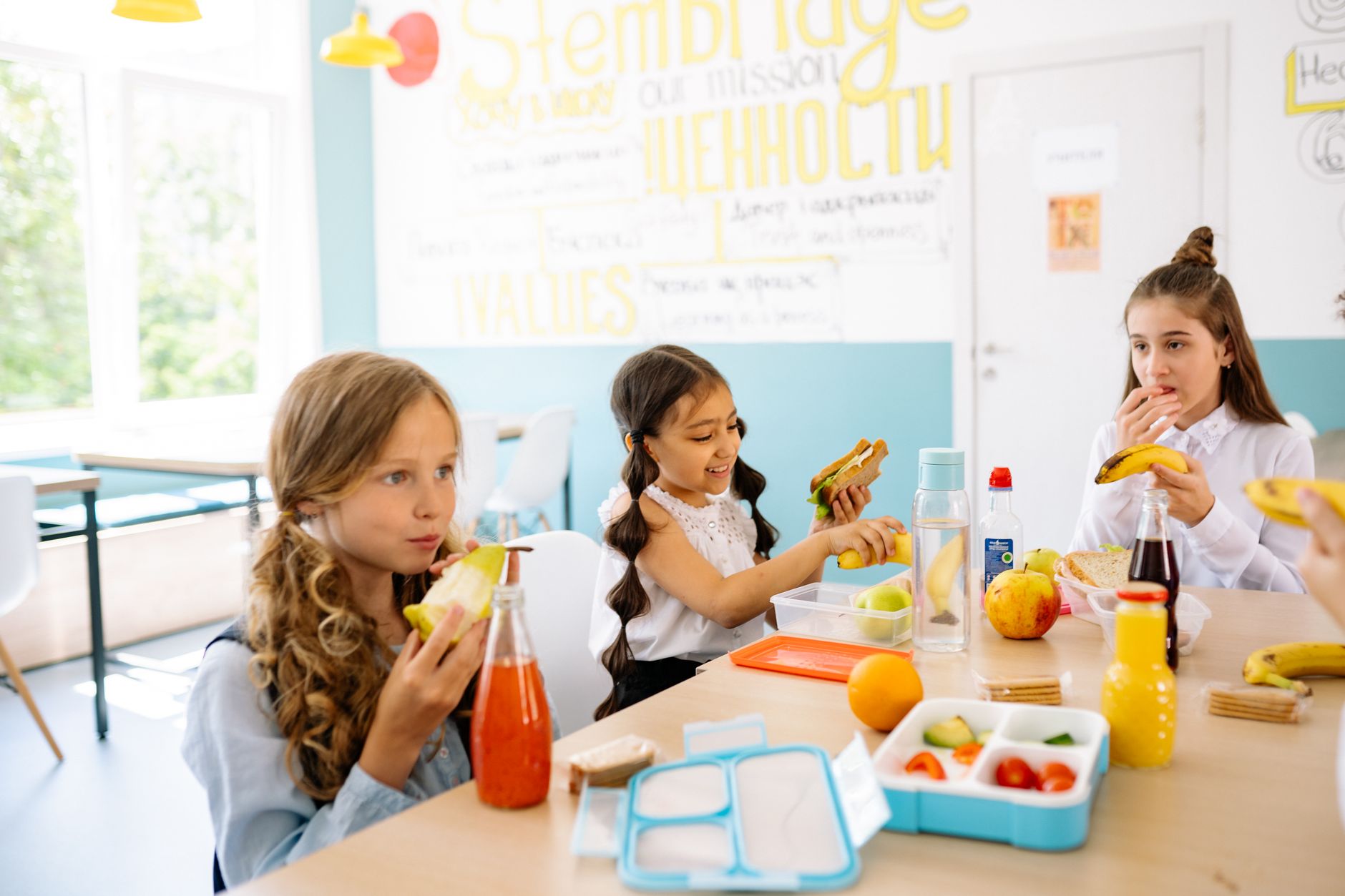
As the school year approaches, a wave of innovative nutrition programs is transforming school lunches across the United States. According to a recent report by the National School Lunch Program (NSLP), over 60% of schools have adopted new nutrition guidelines aimed at improving the health of America’s youth.
Significant Changes in School Menus
The shift towards healthier school lunches has been propelled by increased awareness of childhood obesity and its long-term health implications. A 2025 study by the Centers for Disease Control and Prevention (CDC) revealed that approximately 19.7% of children and adolescents aged 2-19 are considered obese.
In response to these alarming statistics, schools are reevaluating their lunch offerings. Many are incorporating more fruits, vegetables, and whole grains, while reducing processed foods high in sugars and sodium. Tools like DishBloom's free calorie calculator (thedishbloom.com/calculator) make it easy for schools to track nutritional information and ensure compliance with federal guidelines.
Community Engagement and Feedback
To create menus that resonate with students, schools are increasingly turning to community engagement. Surveys conducted in 2025 showed that 75% of parents favored healthier options in school lunches. As a result, many districts are collaborating with local farmers and food suppliers to source fresh produce and sustainable ingredients.
“We want our students to love what they eat while also being healthy,” said Maria Gonzalez, the nutrition director for the Los Angeles Unified School District. “By involving parents and students in menu planning, we have seen a significant uptick in participation rates.”
Last year, Los Angeles reported a 30% increase in lunch participation after revamping its menu based on student preferences. This trend underscores the importance of listening to the community and adapting meals accordingly.
Impact on Student Health and Performance
The impact of improved school lunches on student health is already noticeable. Research published in the Journal of School Health indicates that students who consume healthier meals exhibit better concentration, higher attendance rates, and improved academic performance.
Additionally, schools are leveraging technology to compare food options effectively. With platforms like DishBloom, consumers can compare foods side by side at thedishbloom.com/compare. This empowers educators to make informed decisions about menu options while promoting transparency around nutrition.
“Healthy eating starts young, and we want to set our students up for success,” said Dr. Anthony Ramirez, a pediatric nutritionist based in Chicago. “The benefits of a balanced diet are profound, affecting everything from behavior to grades.”
Looking Ahead: The Future of School Lunches
As we look toward the future, the trend of healthier school lunch programs is expected to continue growing. The Biden administration has proposed additional funding to support nutrition initiatives, which could bolster programs in underfunded districts.
In July 2026, Secretary of Agriculture Tom Vilsack announced a new initiative aimed at providing grants for schools that want to implement innovative nutrition programs. “Our children deserve nutritious meals that fuel their bodies and minds,” Vilsack stated. “Investing in our school lunch programs is an investment in our future.”
With ongoing support and collaboration amongst educators, parents, and health officials, the landscape of school lunches is changing for the better.
Bottom Line: As of July 2026, more than 60% of schools in the U.S. have adopted new nutrition programs aimed at combating childhood obesity. By prioritizing healthier options and engaging communities in the menu development process, these initiatives are set to improve the health and academic performance of students nationwide.