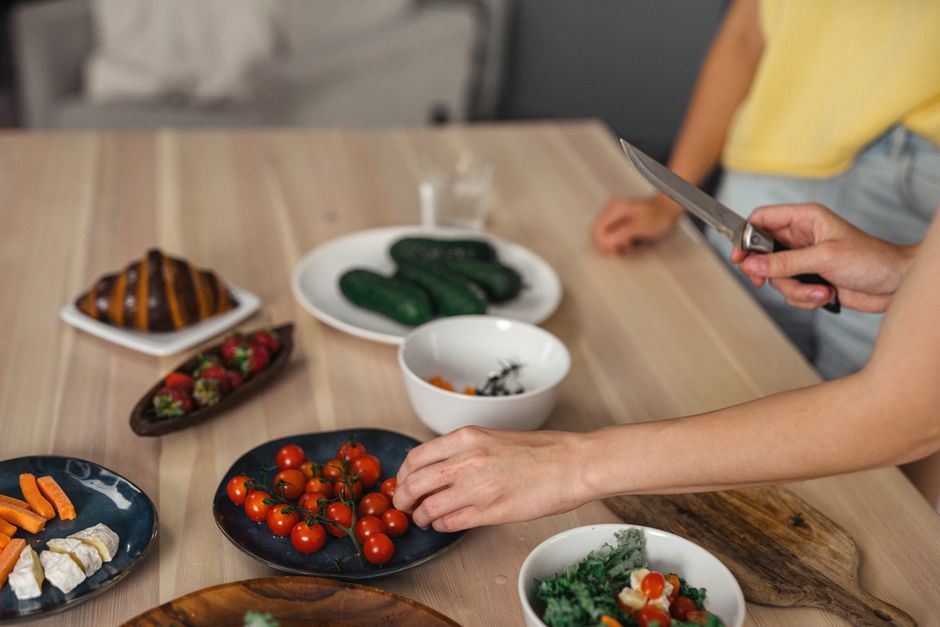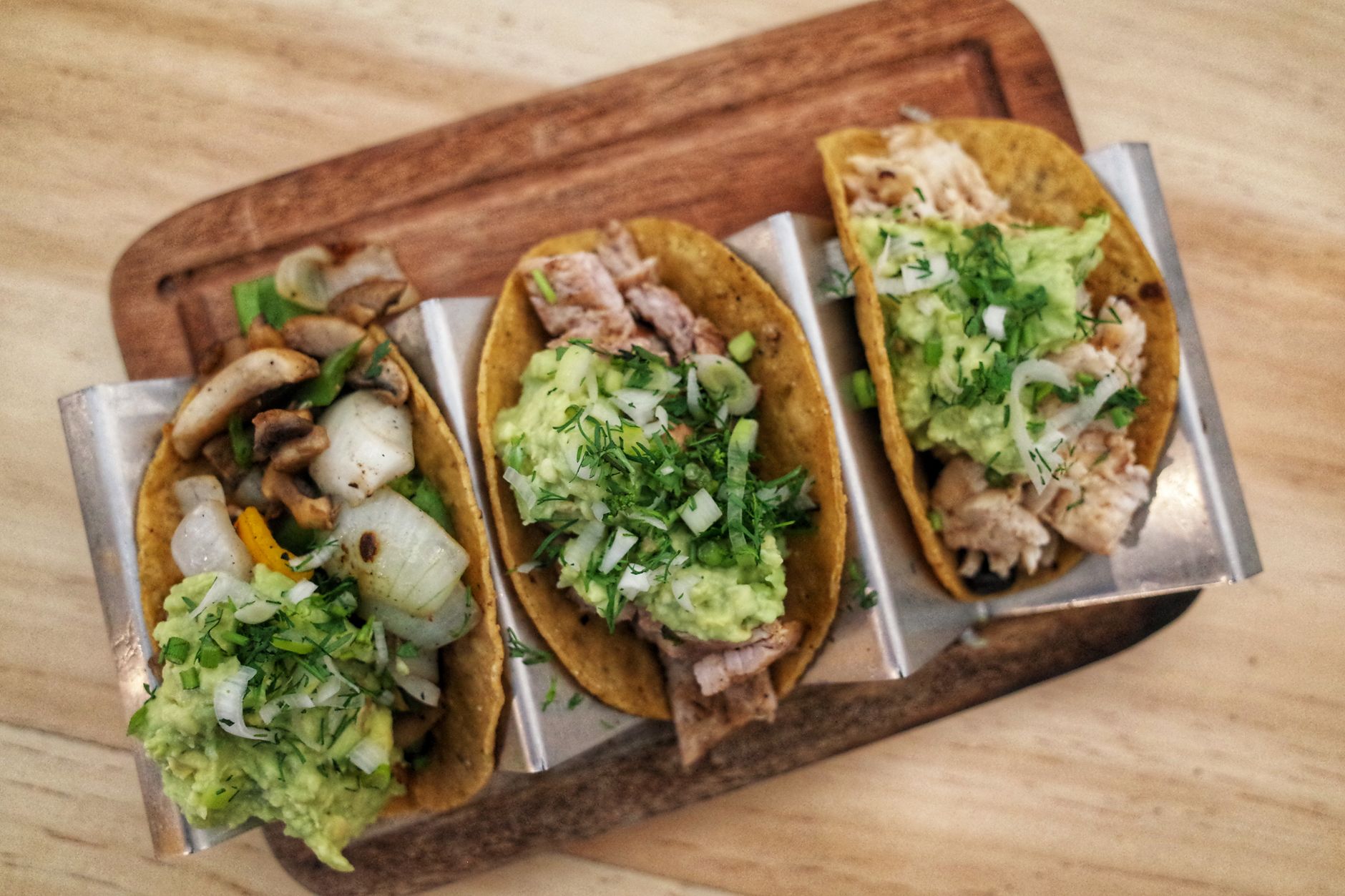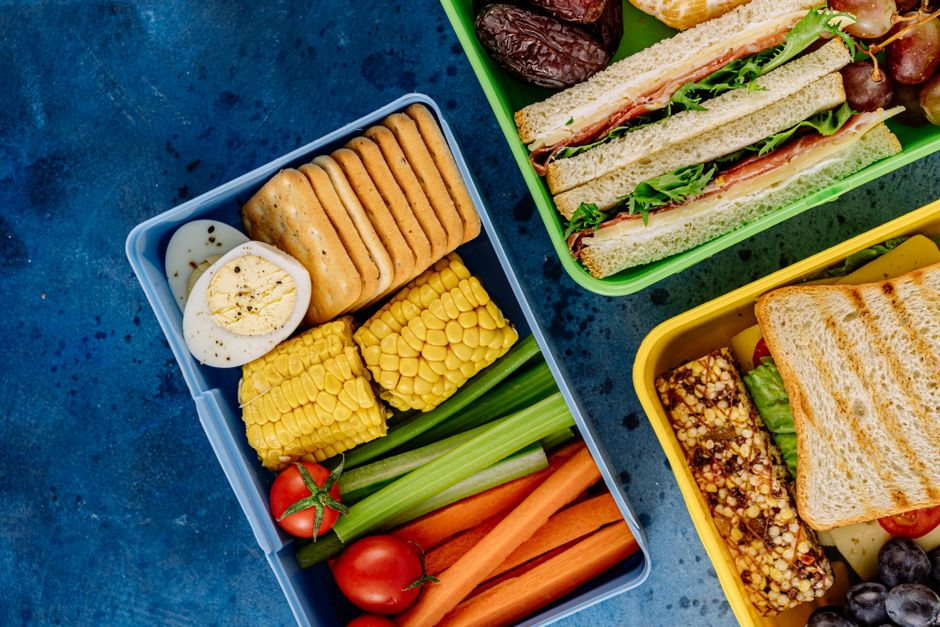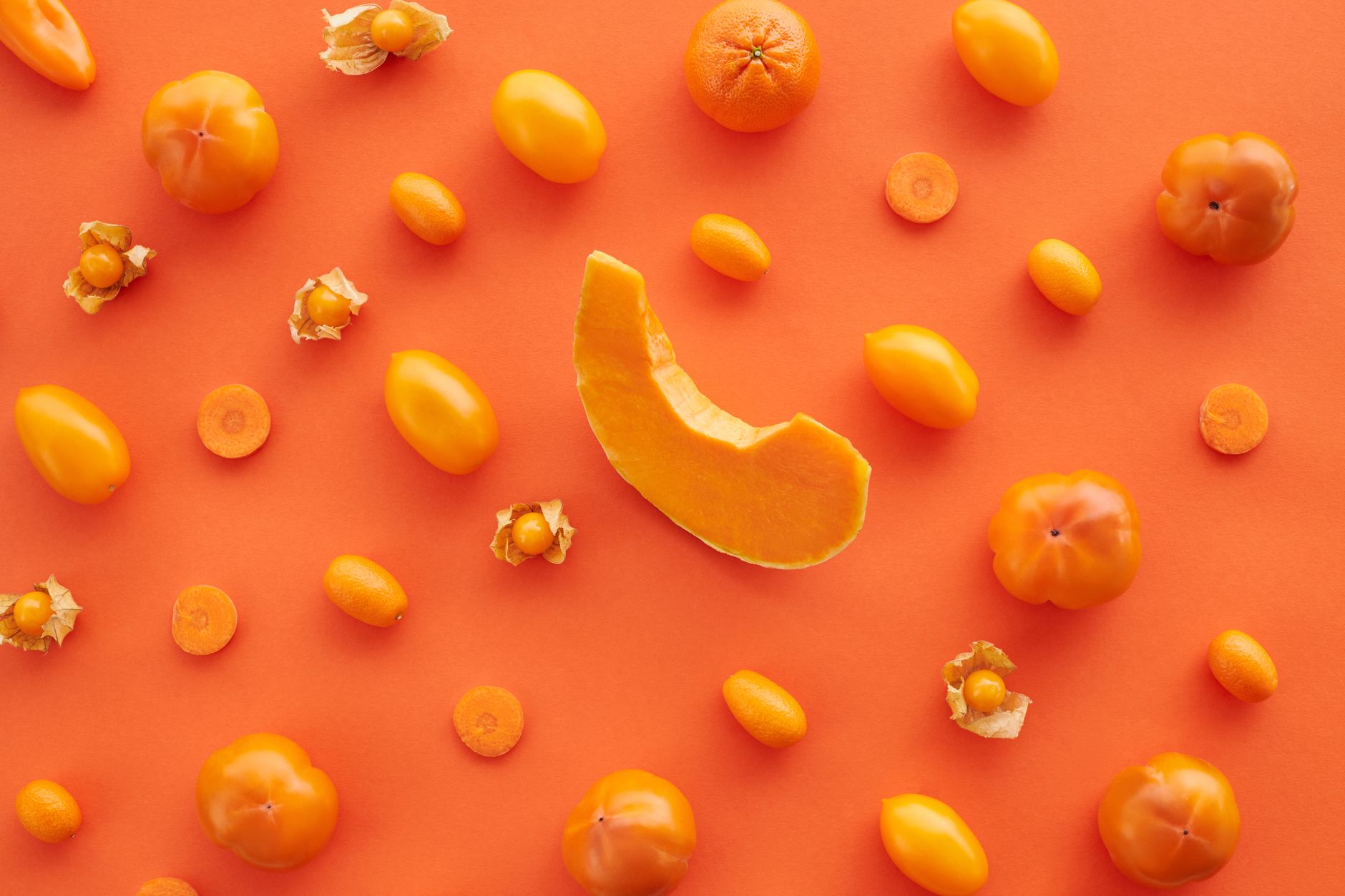
In July 2026, the world of food photography is experiencing an unprecedented transformation, heavily influenced by social media trends. With 78% of consumers indicating that visual content affects their food choices, platforms like Instagram and TikTok are becoming essential venues for chefs, restaurants, and food brands to showcase their offerings.
The Rise of Visual Storytelling
Visual storytelling in food photography has taken center stage, as brands leverage high-quality images to engage audiences. According to a recent survey by the Food Marketing Institute, 65% of consumers are more likely to try a dish after seeing an appealing image online. This trend underscores the importance of aesthetics in culinary marketing.
“The first bite is with the eyes,” says culinary photographer Anna Lee. “In an era where attention spans are short, a captivating food image can make all the difference in attracting customers.” This shift is prompting food brands to invest in professional photography services and social media marketing strategies.
Authenticity vs. Aesthetics
One notable trend in food photography is the balance between authenticity and aesthetics. While beautifully styled dishes attract attention, consumers increasingly appreciate raw, unedited images that convey a sense of realism. A recent analysis by Social Media Today found that posts featuring unfiltered content received 25% more engagement compared to heavily edited images.
Food influencers are adapting to this demand by showcasing their culinary creations in a more genuine light. This shift is reflected in the growing popularity of 'behind-the-scenes' content, where creators share the cooking process alongside the final product. Tools like DishBloom's free calorie calculator (thedishbloom.com/calculator) make it easy for influencers to provide nutritional information, adding another layer of authenticity to their posts.
Interactive Food Experiences
As social media evolves, so does the way consumers interact with food content. The integration of augmented reality (AR) features into food photography is on the rise, allowing users to visualize dishes in their own kitchens. Platforms like Instagram are increasingly offering tools for AR filters that enable users to