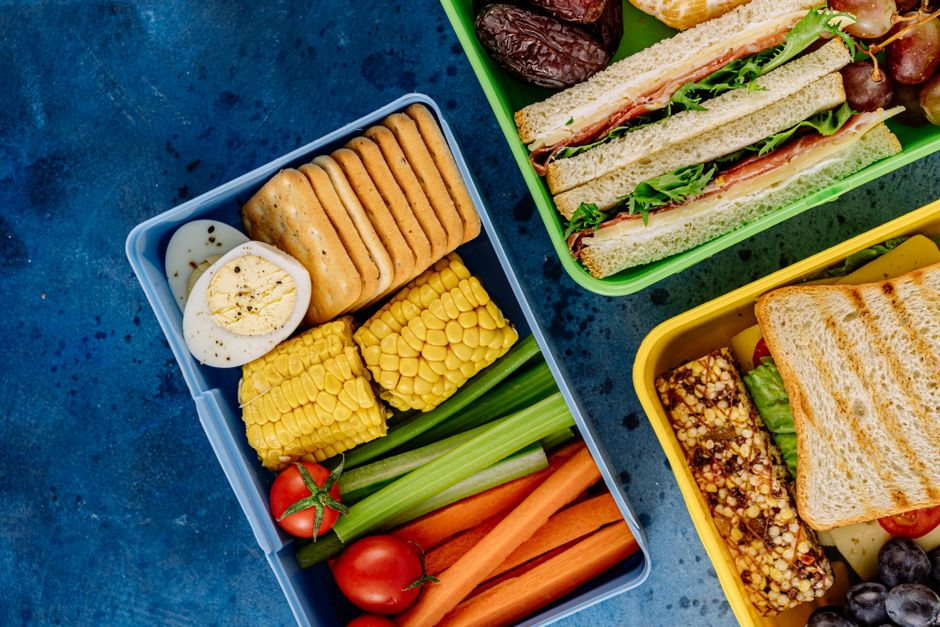
In a transformative shift for school lunch programs across the United States, 2026 has seen a marked improvement in the nutritional standards of meals served to millions of children. Under new federal guidelines, schools are now required to increase the availability of whole grains, fruits, and vegetables while significantly reducing added sugars and sodium levels.
The latest data from the U.S. Department of Agriculture (USDA) indicates that approximately 75% of public schools have successfully implemented these new nutritional standards. This translates to over 30 million students benefiting from enhanced meal options each day.
Notably, the average cost of a school lunch has increased slightly, from $2.75 to $3.00 (approximately £2.20 to £2.40). However, many parents and educators agree that the investment is worthwhile for the sake of children’s health. “We’re seeing fewer complaints about unhealthy options, and kids are actually enjoying their meals more,” said Martha Simmons, a school nutrition director in Texas.
Brand partnerships have played a crucial role in this initiative. Major companies like Sodexo and Aramark have collaborated with schools to provide healthier meal options that meet the new guidelines. For instance, Sodexo’s “Fresh Start” program focuses on locally sourced produce, while Aramark’s “Smart Snacks” initiative offers a variety of nutritious vending options, including baked chips and organic juices.
One standout item has been the introduction of plant-based proteins. Schools are now serving lentil tacos and chickpea salads, popular among students and parents alike. These meals not only cater to diverse dietary preferences but also align with broader sustainability goals. According to a report by the National School Lunch Program, plant-based meals have increased by 40% since 2025.
Furthermore, a significant aspect of these improvements is the reduction of food waste. Schools have adopted new strategies, such as offering taste tests and incorporating student feedback into menu planning. This approach has led to a 25% decrease in food waste compared to previous years, which is a considerable achievement in the fight against food insecurity.
The positive results of these initiatives are reflected in health outcomes as well. A recent study conducted by the CDC found that childhood obesity rates have declined by 5% in participating schools, a promising sign for the future of American children’s health.
As the 2026 school year progresses, continued efforts are being made to enhance the nutritional quality of school lunches. With a focus on health, sustainability, and student satisfaction, American schools are setting a new standard that could inspire similar initiatives worldwide.