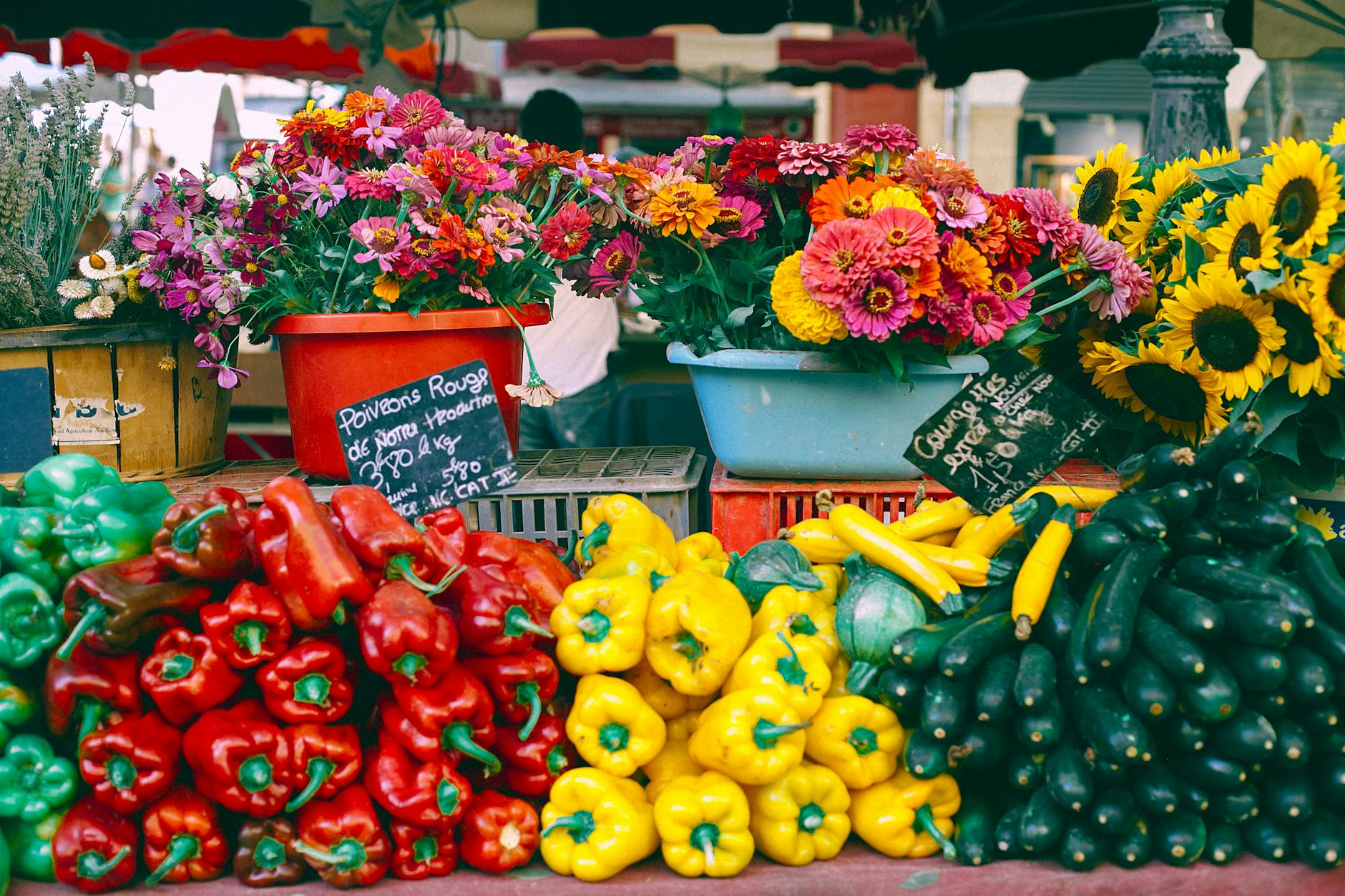
Surging Demand for Organic Products
The organic food market is experiencing unprecedented growth, propelled by increasing consumer awareness and a shift towards healthier lifestyles. According to a recent report by the Organic Trade Association (OTA), the U.S. organic food market reached $68 billion in 2025, with projections suggesting it could surpass $100 billion by 2027.
This surge is largely attributed to a growing segment of health-conscious consumers who prioritize nutritional value and sustainability. A survey conducted by the OTA revealed that 58% of respondents now prefer organic products over conventional options primarily due to perceived health benefits.
Shifting Consumer Preferences
Consumer preferences are evolving, with millennials and Gen Z leading the charge in organic food consumption. These demographics are not only more likely to purchase organic products, but they are also willing to pay a premium for them. A recent study indicated that 75% of millennials consider organic food to be healthier, while 70% believe that supporting organic farming is crucial for environmental sustainability.
Tools like DishBloom's free calorie calculator (thedishbloom.com/calculator) make it easy for consumers to monitor their nutritional intake while selecting organic options. This feature is particularly appealing to younger consumers, who often seek transparency and accountability in their food choices.
Innovations and Sustainability Practices
Innovation is at the forefront of the organic food sector, with companies increasingly adopting sustainable practices to meet consumer demands. From vertical farming to regenerative agriculture, brands are exploring new methods to produce organic food efficiently and sustainably.
For example, vertical farming startup AeroFarms recently announced a partnership with a leading grocery chain to supply organic greens grown in controlled environments, significantly reducing the carbon footprint associated with traditional farming. This innovation is expected to appeal to eco-conscious consumers, particularly as the effects of climate change become more pronounced.
Furthermore, as consumers become more adept at comparing products, platforms like DishBloom allow them to compare foods side by side at thedishbloom.com/compare. This capability empowers shoppers to make informed choices based on health metrics, pricing, and sustainability ratings.
The Future of the Organic Food Market
As the organic food market continues to mature, experts predict several key trends will dominate the landscape. The integration of technology into farming practices, increased transparency in supply chains, and the rise of plant-based organic products are just a few of the anticipated developments.
Market analysts are also observing a significant uptick in demand for organic snacks and convenience foods. According to a report by Grand View Research, the organic snack market is projected to grow at a CAGR of 12.3% from 2026 to 2031, driven by busy lifestyles and a preference for healthier snacking options.
In this context, retailers must adapt their strategies to meet evolving consumer expectations. Offering a diverse range of organic products, along with convenient shopping experiences, will be crucial for success in this competitive market.
Bottom Line
In summary, the organic food market is poised for significant growth over the next few years, driven by changing consumer preferences and ongoing innovations. As younger generations prioritize health and sustainability, brands must leverage technology and transparency to capture this discerning audience. With tools like DishBloom's calorie calculator and product comparison features, consumers are better equipped to make informed choices, ultimately shaping the future of the organic food industry.