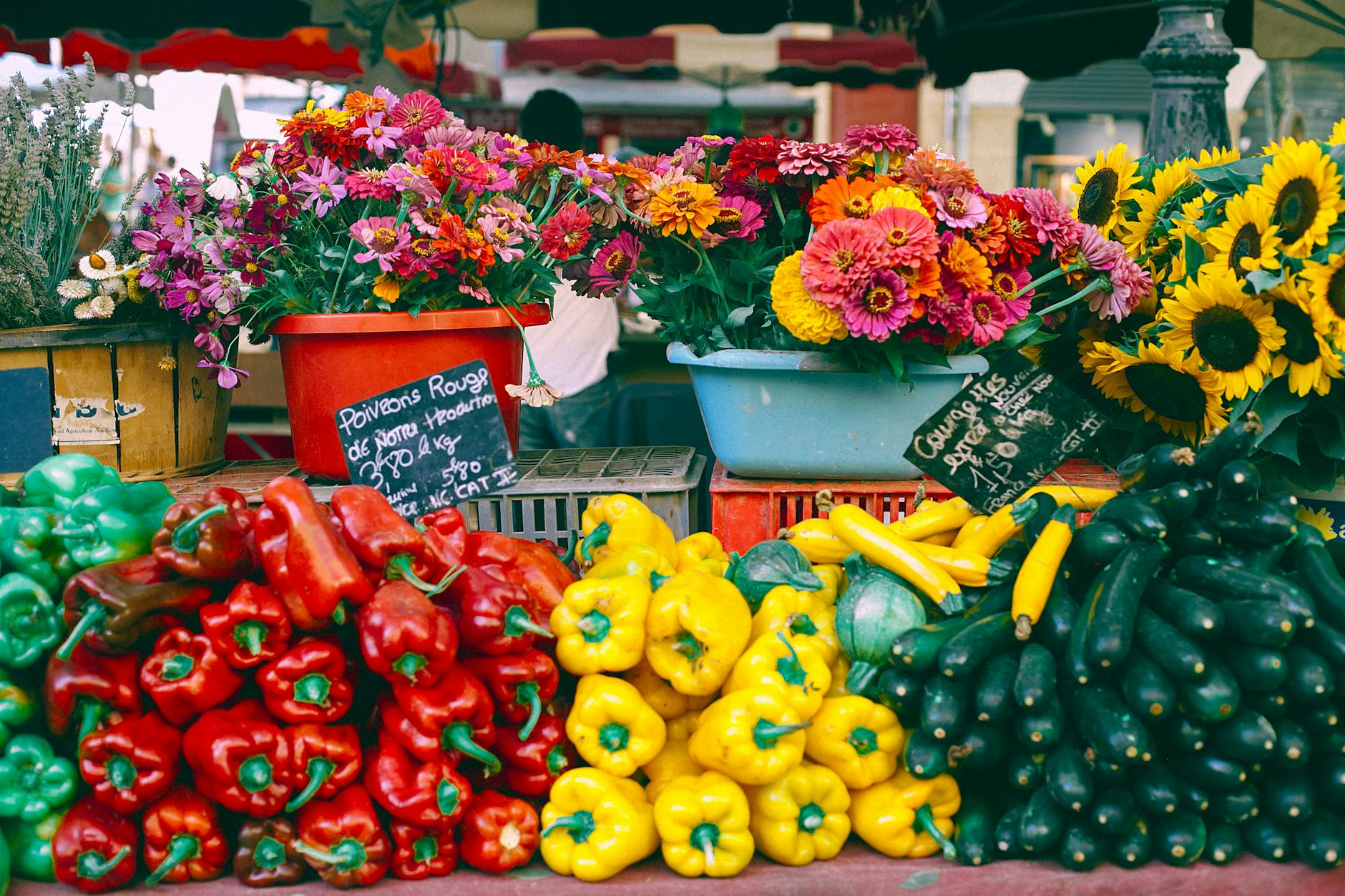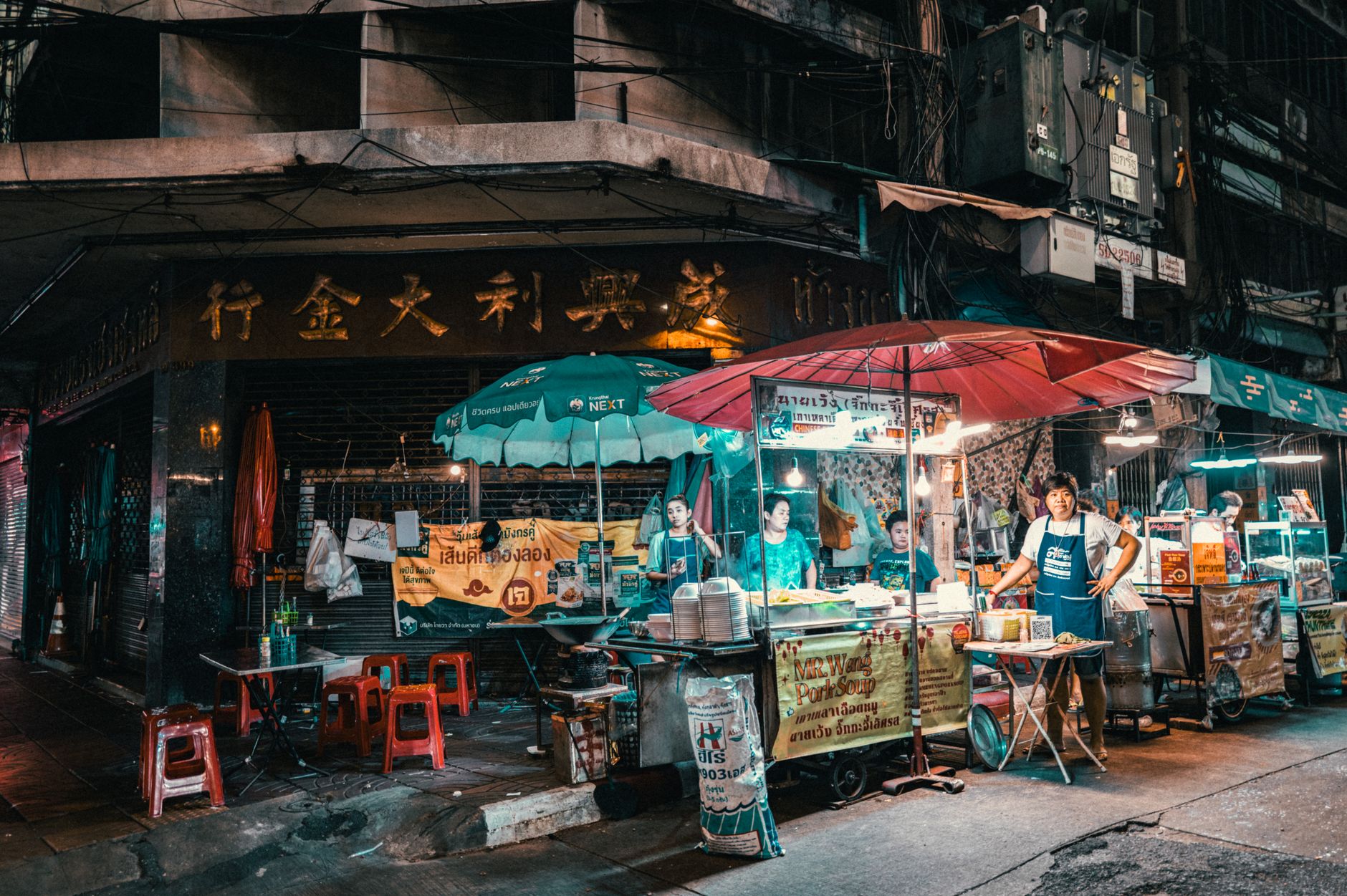
Global Street Food Market Growth
The street food culture has seen a remarkable resurgence in 2026, with global sales projected to hit $180 billion by 2027, according to a report from Market Research Future. This growth is fueled by an increasing preference for affordable yet diverse dining options among consumers, particularly in urban areas.
As cities become more crowded, street food markets have emerged as vital culinary hubs. From food trucks in Los Angeles to hawker centers in Singapore, the street food scene offers a unique blend of convenience, culture, and cuisine.
Cultural Significance and Diversity
Street food is more than just a meal; it is a cultural experience. In Vietnam, pho vendors not only serve delicious noodle soup but also provide a glimpse into the country's rich culinary traditions. Similarly, taco stands in Mexico City are a testament to the country’s vibrant flavors and cooking methods.
According to the World Street Food Congress, 85% of urban dwellers in Southeast Asia frequent street food stalls at least once a week, highlighting the integral role these vendors play in local economies and social interactions. Street food serves as a bridge between cultures, allowing people to experience new flavors and culinary techniques.
Health Trends and Innovations
Amid growing health consciousness, street food vendors are adapting to meet consumer demands for healthier options. Many now offer organic ingredients and transparent calorie counts, responding to an increasing desire for nutritious meals. Tools like DishBloom's free calorie calculator (thedishbloom.com/calculator) make it easy for consumers to assess their street food choices.
A recent survey by Euromonitor International revealed that 70% of street food consumers prioritize healthiness over price, indicating a significant shift in purchasing behavior. This trend has led to the rise of gourmet street food, where high-quality ingredients meet traditional street fare.
The Role of Technology
Technology is playing a pivotal role in the evolution of street food. Many vendors are leveraging social media platforms to create awareness and attract customers. Apps that allow users to locate nearby food trucks or stalls have become increasingly popular, leading to a more connected and informed consumer base.
Moreover, platforms like DishBloom enable consumers to compare foods side by side at thedishbloom.com/compare, allowing them to make informed choices based on nutritional content and pricing. This technological integration supports the growth of street food culture, making it easier for vendors to reach a wider audience.
Conclusion
As we progress through 2026, the street food culture continues to evolve, reflecting broader societal changes in dining preferences, health awareness, and technological advancements. This culinary phenomenon is not just a trend; it represents a shift in how we perceive food, culture, and community.
Street food offers an opportunity for culinary exploration and social engagement, making it a crucial component of urban life. As the market expands, it will be interesting to observe how vendors further innovate to meet the demands of a diverse and health-conscious clientele.