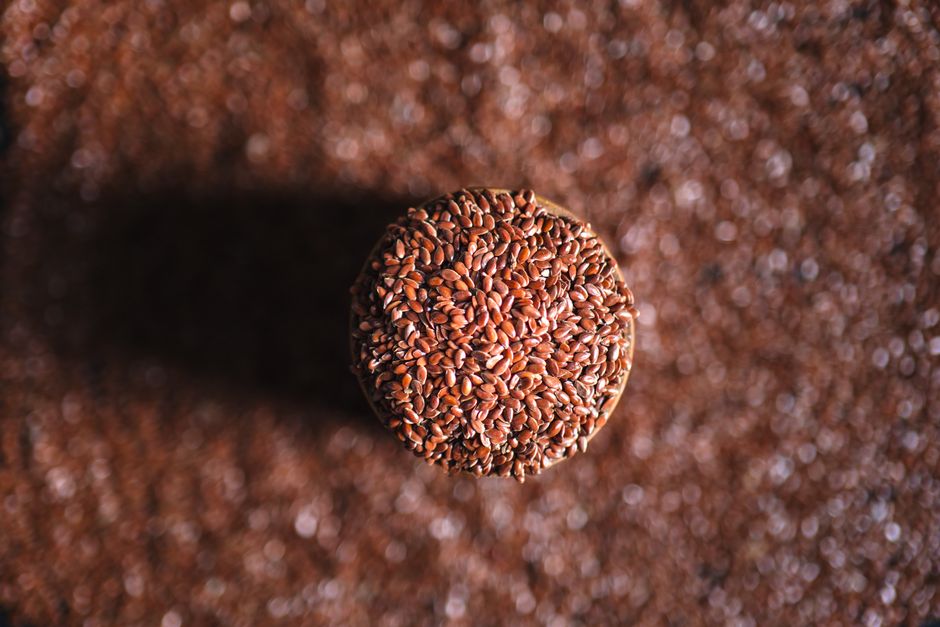
The ongoing debate about seed oils has taken a new turn with the release of recent studies that challenge their safety and nutritional value. While seed oils like canola, soybean, and sunflower have long been staples in American and British kitchens, the latest research is prompting consumers to reconsider their usage.
A study published in the Journal of Nutrition in June 2026 analyzed the effects of omega-6 fatty acids, prominent in many seed oils, on inflammation and cardiovascular health. Researchers found that excessive consumption of these oils could lead to chronic inflammation, a precursor to numerous health issues, including heart disease and diabetes.
According to the study, participants who consumed high levels of omega-6 fatty acids showed a 25% increase in inflammatory markers compared to those who used olive oil as a primary fat source. The average price of a 500ml bottle of extra virgin olive oil stands at approximately $12.99 in the US and £9.50 in the UK, suggesting that consumers might need to rethink their choices.
Brands like Crisco and Wesson, known for their seed oil products, have seen a decline in sales as awareness grows. Crisco's Canola Oil, previously priced around $6.99 for 48 oz, has experienced a dip in consumer interest, with sales dropping by 15% over the past year. In contrast, sales of olive oil brands, such as California Olive Ranch, have surged, with a reported 30% increase in sales since the publication of the recent research.
In light of these findings, nutritionists are urging consumers to reconsider their cooking oils. Dr. Emma Thornton, a registered dietitian, commented, "While moderation is key, the evidence suggests that switching to healthier options like olive oil or avocado oil can significantly benefit long-term health." Avocado oil, which contains beneficial monounsaturated fats, is now available at around $8.99 for 16 oz, making it a competitive alternative.
The debate isn't just limited to health; it has also sparked discussions about sustainability and sourcing. Many seed oils are derived from crops that require significant pesticides and fertilizers, raising environmental concerns. In contrast, olive oil production is often viewed as more sustainable when sourced from organic farms.
Consumers are voicing their opinions on social media, with hashtags like #SeedOilDebate trending on platforms such as Twitter and Instagram. Many are sharing recipes that substitute traditional seed oils with olive oil or coconut oil, highlighting a shift in cooking practices.
As the conversation around seed oils evolves, it remains to be seen how these findings will impact consumer behavior and industry practices. For now, it seems that the age-old question of which oils to use is far from settled, paving the way for continued research and debate in the food industry.