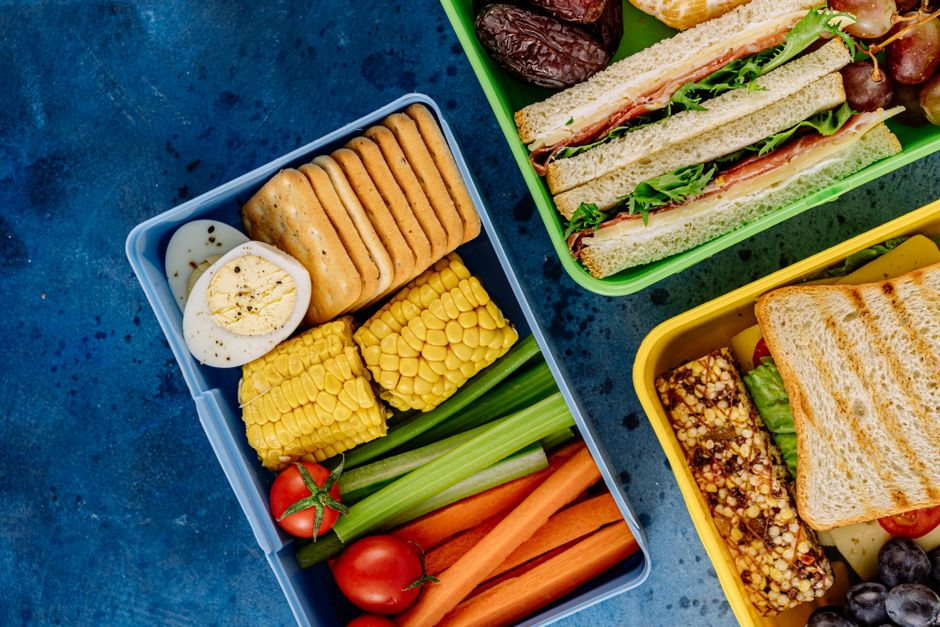
As of July 2026, American schools are making significant strides in improving the nutritional quality of school lunches. In response to increasing concerns over childhood obesity and related health issues, the U.S. Department of Agriculture (USDA) has implemented new guidelines that are transforming cafeteria menus across the nation.
These changes come in the wake of a comprehensive report indicating that nearly 40% of children in the U.S. are classified as overweight or obese. In an effort to combat this alarming trend, the USDA has mandated that all school lunches must now include at least 50% whole grains, a broader variety of fruits and vegetables, and lower sodium content.
Many schools have already begun to implement these guidelines, with significant success. For example, the Los Angeles Unified School District has introduced a new menu featuring items like quinoa salad, black bean tacos, and fresh fruit smoothies. According to district nutritionist Sarah Thompson, these meals not only meet the new standards but have also led to a 25% increase in student lunch participation compared to last year.
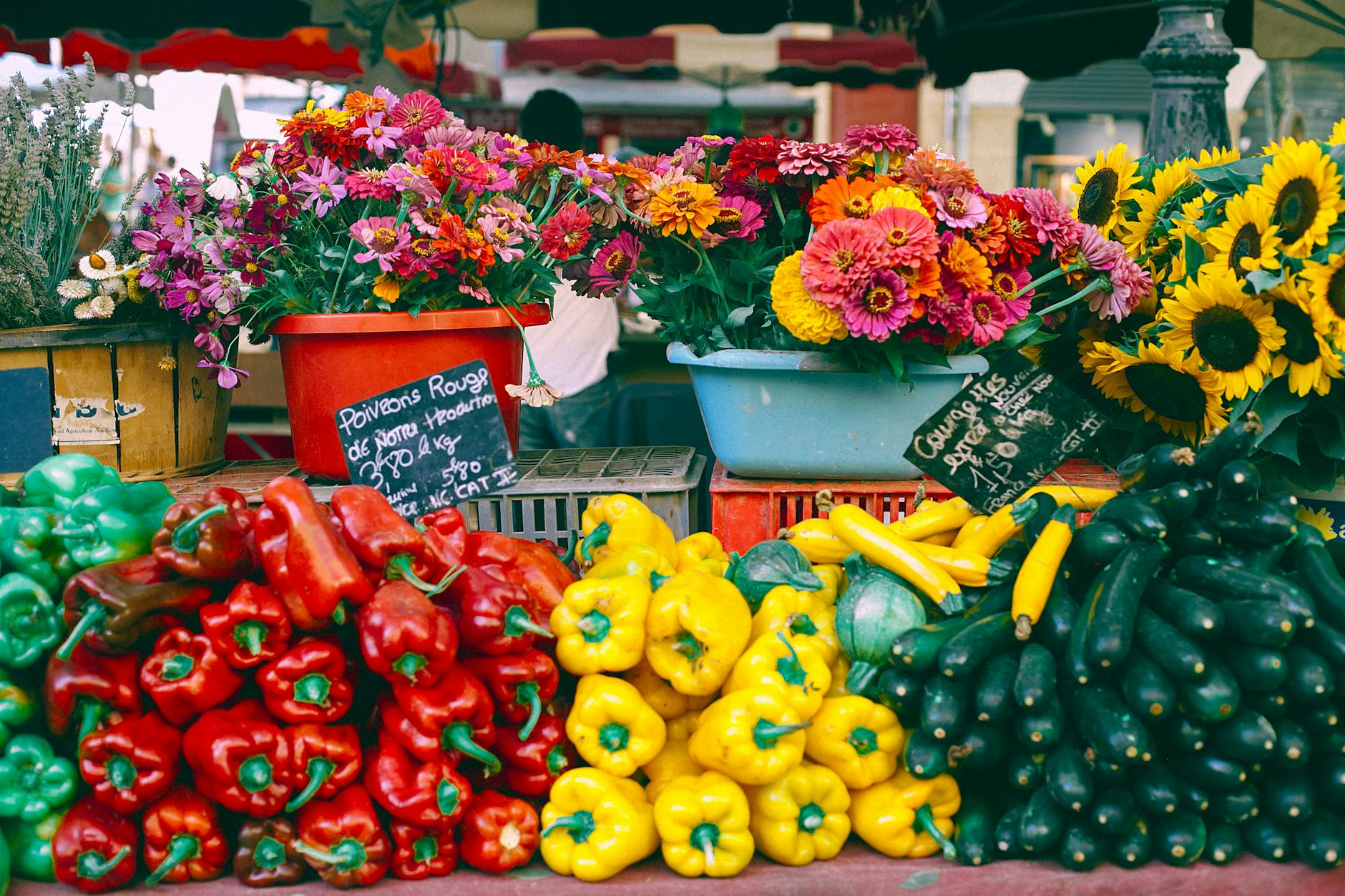
In addition to improving nutrition, schools are also focusing on sourcing local ingredients. The Farm-to-School program, which connects schools with local farmers, has gained traction, allowing institutions to offer fresh produce while supporting local economies. A recent survey showed that 65% of schools are now participating in some form of local sourcing, providing students with seasonal fruits and vegetables at prices comparable to traditional suppliers.
Brands like Green Giant and Fresh Express have partnered with schools to supply pre-packaged, nutritious options that are easy to prepare and serve. For instance, a pack of organic carrot sticks from Green Giant retails at around $12.99 for a 3-pound bag, while Fresh Express offers a variety of salad kits starting at $3.99 each. Administrators report that these partnerships have made it easier to meet nutritional standards without breaking the budget.
Despite these advancements, challenges remain. Budget constraints are a significant hurdle for many districts, with the average cost of a school lunch hovering around $3.00. Some schools have turned to grants and fundraising efforts to help offset these costs. The Healthy Schools Grant, introduced in 2025, has provided over $50 million to help schools upgrade their facilities and training for cafeteria staff.
Parents and advocacy groups are generally supportive of these changes. The nonprofit organization Action for Healthy Kids recently conducted a survey revealing that 78% of parents believe school meals should prioritize nutrition. This sentiment is echoed by students, who have expressed a preference for healthier options.
As schools continue to adapt and innovate, the push for healthier school lunches is expected to gain momentum. With the combination of new USDA guidelines, local sourcing, and increased community support, American schools are taking significant steps toward ensuring that students receive not only nutritious meals but also the education necessary for lifelong healthy eating habits.