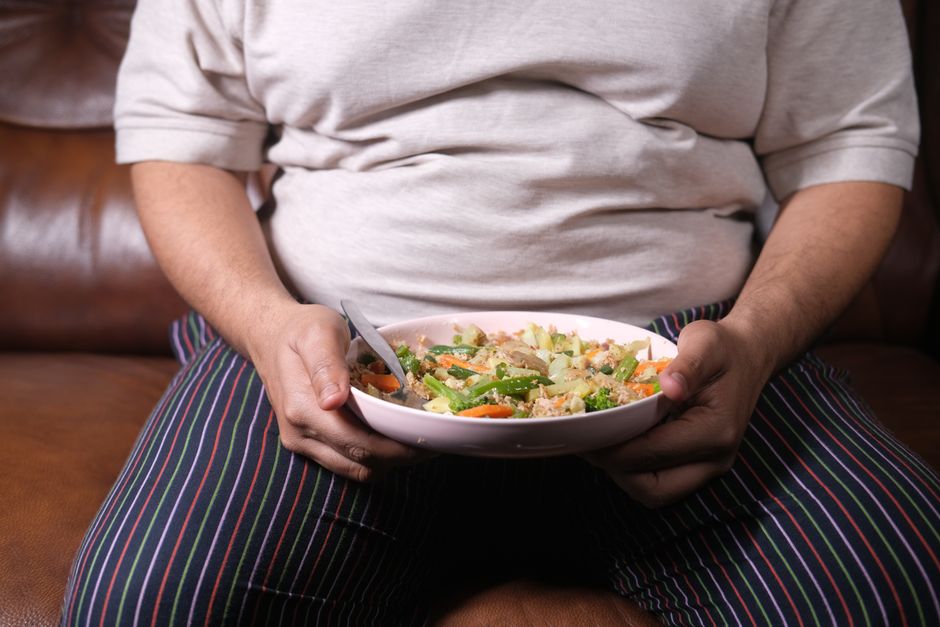
As of July 2026, the latest statistics from the Centers for Disease Control and Prevention (CDC) reveal that obesity rates in the United States have surged to an all-time high, with nearly 42.4% of adults classified as obese. This marks a significant increase from 30.5% in 1999, highlighting a troubling trend that is reshaping public health and the food industry.
The report indicates that obesity rates have increased across all demographic groups, with particularly high rates among African American and Hispanic populations. For example, obesity prevalence among African American adults is now at 50.6%, while Hispanic adults report a rate of 45.2%. These figures raise concerns about health disparities and the need for targeted public health interventions.
In terms of economic impact, the obesity epidemic is costing the US healthcare system approximately $190 billion annually. This includes expenses related to diabetes, heart disease, and other obesity-related conditions. The food industry is feeling the strain as consumers become increasingly health-conscious, leading to a notable shift in purchasing behavior.
Brands like Coca-Cola and McDonald's are adapting to these changes by introducing healthier options. For instance, McDonald’s has expanded its menu to include items like the McPlant burger, priced at $4.99, which caters to the growing demand for plant-based options. Similarly, Coca-Cola has launched a new line of zero-calorie beverages, with products like Coca-Cola Zero Sugar selling for $1.29 per can.
The rise in obesity rates is prompting food manufacturers to rethink their marketing strategies. According to recent surveys, 67% of consumers are actively seeking healthier alternatives, putting pressure on brands to reformulate products. Snack companies like Mondelez International are responding by reducing sugar content across popular lines, including Oreos, which now feature a 20% lower sugar recipe.
Nutritionists are calling for a comprehensive approach to tackle this crisis. Dr. Lisa Brown, a prominent public health expert, states, “We need to focus on education, accessibility to healthier foods, and community-based initiatives. It’s not just about individual choices; it’s about creating environments that support healthy living.”
In the UK, parallels can be drawn as the National Health Service (NHS) reports similar trends, with 28% of adults classified as obese. The UK government has launched initiatives to combat obesity, including a sugar tax implemented on soft drinks, which has influenced consumer behavior and product offerings.
As the obesity epidemic continues to escalate, both the US and UK face urgent challenges. The food industry must adapt to the new landscape to improve public health and meet evolving consumer demands. The future of food may hinge on the ability of manufacturers to innovate and promote healthier choices.