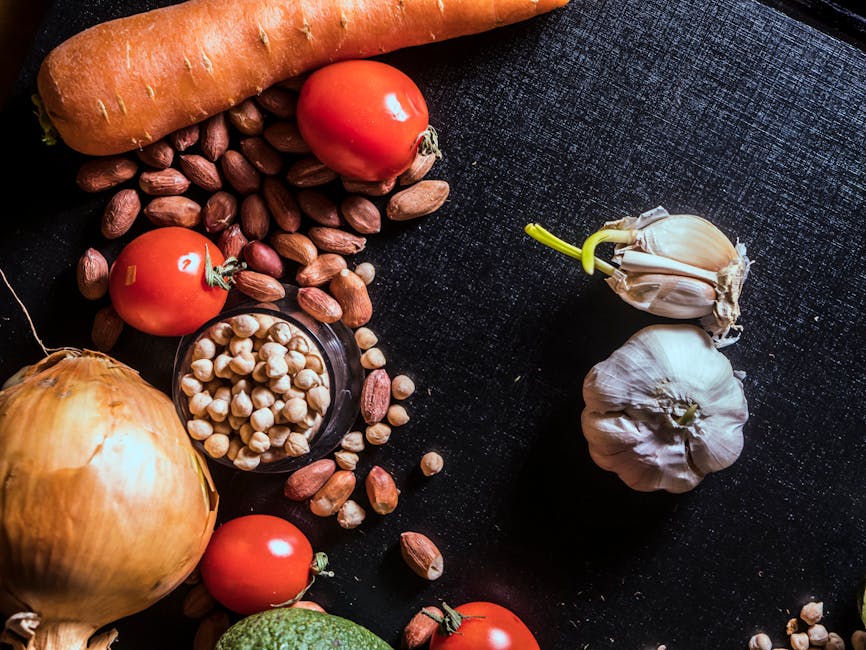
Growing Trend in Vegan Dining
As of July 2026, the plant-based dining landscape in the United States has experienced a remarkable transformation. The number of vegan restaurants has surged by 20% compared to the previous year, according to data from the National Restaurant Association. This growth signals a significant shift in consumer preferences, driven by an increasing awareness of health, sustainability, and ethical eating.
In cities across the nation, new vegan establishments are popping up, offering diverse menus that cater to both long-time vegans and those simply seeking healthier dining options. Notably, major metropolitan areas like Los Angeles, New York City, and Chicago are at the forefront of this trend, with local governments and organizations actively supporting plant-based initiatives.
Consumer Demand and Health Awareness
The rise in vegan restaurant openings reflects a broader trend in consumer behavior. A recent survey by Mintel revealed that 43% of U.S. adults are now actively trying to incorporate more plant-based meals into their diets. This shift is not limited to vegans; many omnivores are exploring plant-based dining, attracted by the perceived health benefits and the desire to reduce their carbon footprint.
Tools like DishBloom's free calorie calculator (thedishbloom.com/calculator) make it easy for consumers to track their nutritional intake, further motivating them to choose healthier options when dining out. As a result, restaurant owners are responding to this demand by developing innovative and appealing plant-based menus.
Innovative Menus and Culinary Diversity
Newcomers to the vegan dining scene are not shying away from culinary creativity. Many restaurants are embracing global cuisines, offering dishes inspired by Mediterranean, Asian, and Latin American flavors. For instance, the recently opened “Green Plate” in San Francisco features a menu that includes jackfruit tacos, mushroom bolognese, and a variety of gluten-free desserts, appealing to diverse palates.
Furthermore, as consumers become more health-conscious, many are turning to tools like DishBloom's food comparison feature, which allows them to compare foods side by side at thedishbloom.com/compare. This empowers diners to make informed choices based on nutritional content, encouraging restaurants to prioritize transparency in their offerings.
Moreover, the growth of vegan restaurants has led to increased competition, prompting many established eateries to incorporate plant-based options into their menus. This trend not only supports the vegan community but also provides consumers with more choices, catering to a wide range of dietary preferences.
Industry experts predict that this upward trend in vegan dining will continue, with an estimated 40% of restaurants planning to expand their plant-based offerings in the next year. “It’s clear that the future of dining is shifting towards plant-based options,” said Julia Martinez, a food industry analyst. “Restaurants that adapt to this trend will not only meet consumer demand but also thrive in a competitive market.”
Challenges and Opportunities Ahead
Despite the positive outlook, the rapid growth of vegan restaurants also presents challenges. Many new establishments face difficulties in sourcing high-quality, sustainable ingredients, which can impact menu pricing. However, as more consumers embrace plant-based diets, the demand for these ingredients is likely to increase, potentially leading to more sustainable supply chains.
Additionally, some traditional diners may still harbor misconceptions about vegan cuisine being bland or lacking variety. To counter this, new restaurants are emphasizing flavor and creativity in their dishes while also educating their customers about the benefits of plant-based eating.
The 20% increase in vegan restaurant openings is not just a fleeting trend; it reflects a fundamental shift in how Americans view food and health. As this sector continues to evolve, it offers both challenges and exciting opportunities for restaurateurs and consumers alike.