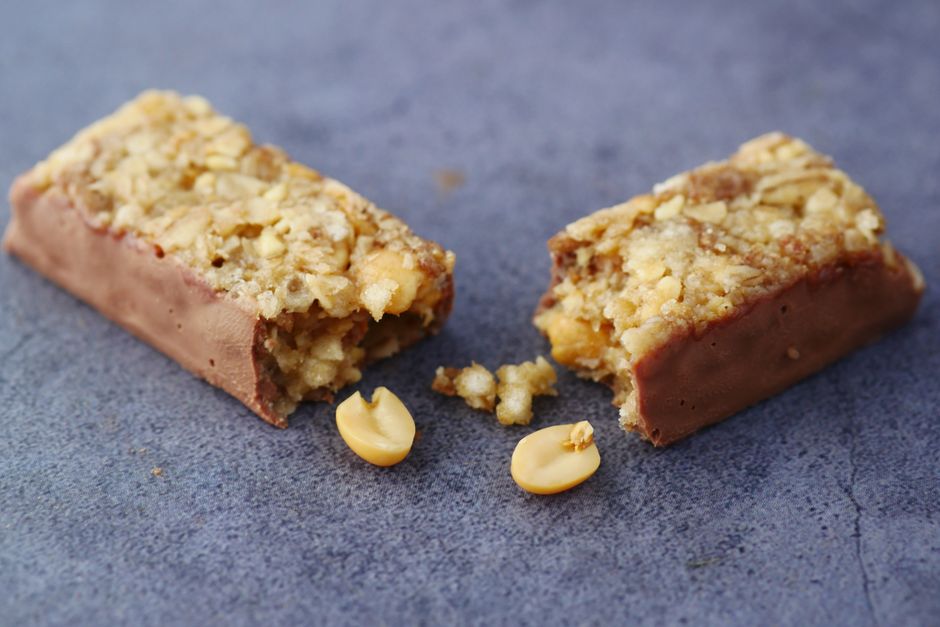
July 2026 has ushered in a fresh wave of innovation in the protein bar market, reflecting the shifting preferences of health-conscious consumers in both the United States and the United Kingdom. With an increasing focus on clean ingredients, sustainability, and convenience, several brands have unveiled new offerings that are set to change the landscape of this competitive sector.
Leading the charge is RXBAR, which has expanded its lineup with the launch of the RXBAR Plant. This vegan-friendly option, priced at $2.49 per bar, features a blend of pea protein, almonds, and dates. The company aims to appeal to the growing vegan demographic while maintaining the brand’s signature minimal ingredient list.
Across the pond, UK-based Protein World has introduced its Protein Pancake Bar, retailing at £1.99. This innovative product combines the indulgent flavors of pancakes with the protein power consumers crave, representing a novel take on traditional protein bars. The bar’s unique composition includes a blend of whey protein and real pancake mix, targeting consumers seeking both convenience and taste.
Another notable launch is from Quest Nutrition, known for its high-protein, low-carb offerings. The company has rolled out the Quest Hero Bar, priced at $2.99 per bar, which boasts a decadent brownie flavor without the guilt of excess sugars. With only 3 grams of net carbs and up to 15 grams of protein, the Hero Bar aims to satisfy sweet cravings while supporting various dietary restrictions.
In response to the growing interest in functional foods, GoMacro has debuted its MacroBar Protein + Probiotics line. These bars, priced at $2.79 each, are infused with probiotics for gut health, appealing to consumers who prioritize digestive wellness. GoMacro emphasizes organic ingredients, making them a favorite among health enthusiasts.
Market analysis shows that the global protein bar market is expected to reach $5.6 billion by 2027, with a compound annual growth rate (CAGR) of 8.4%. This growth is driven by increasing consumer awareness of health and fitness, as well as the demand for convenient snack options. Industry experts note that the latest launches reflect a trend towards personalization, with brands catering to specific dietary needs such as gluten-free, keto, and paleo.
In addition to product innovation, packaging sustainability is becoming a focal point for brands. Clif Bar has committed to using 100% recyclable packaging for its new Clif Nut Butter Bar, which retails at $2.50. This move aligns with the broader consumer shift towards environmentally-friendly products.
As these new protein bars enter the market, it’s clear that brands are not only competing on nutrition but also on taste, sustainability, and transparency. With consumer expectations rising, the future looks promising for the protein bar market, setting the stage for exciting developments in the years to come.